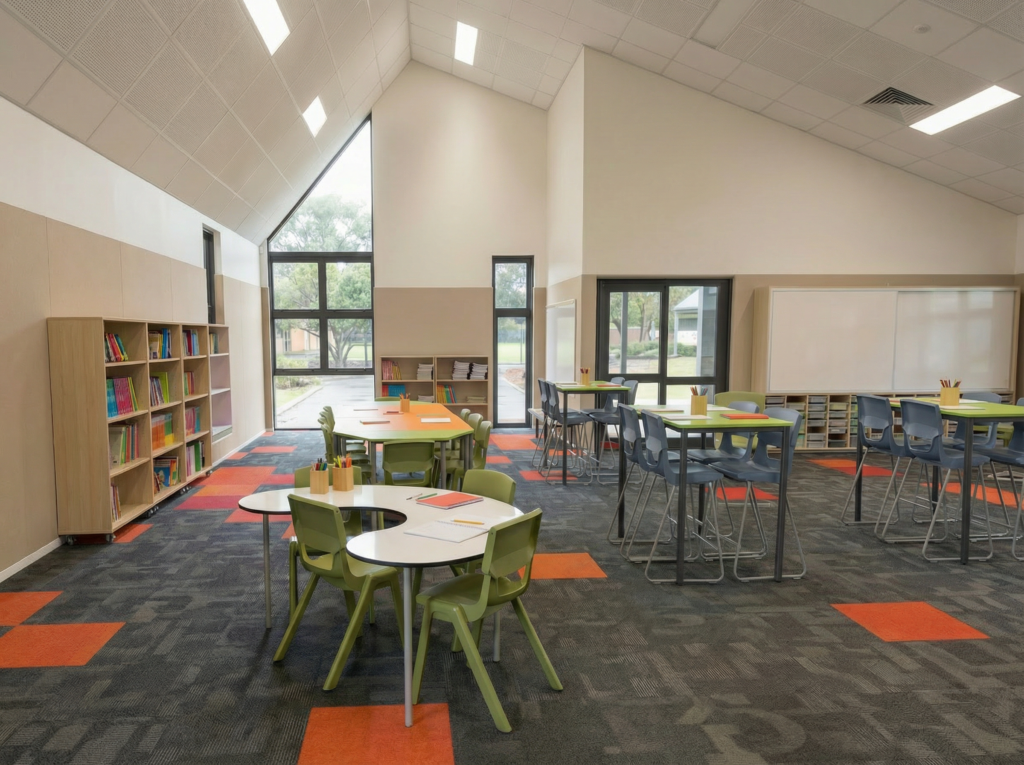
1. Modular Furniture for Adaptability
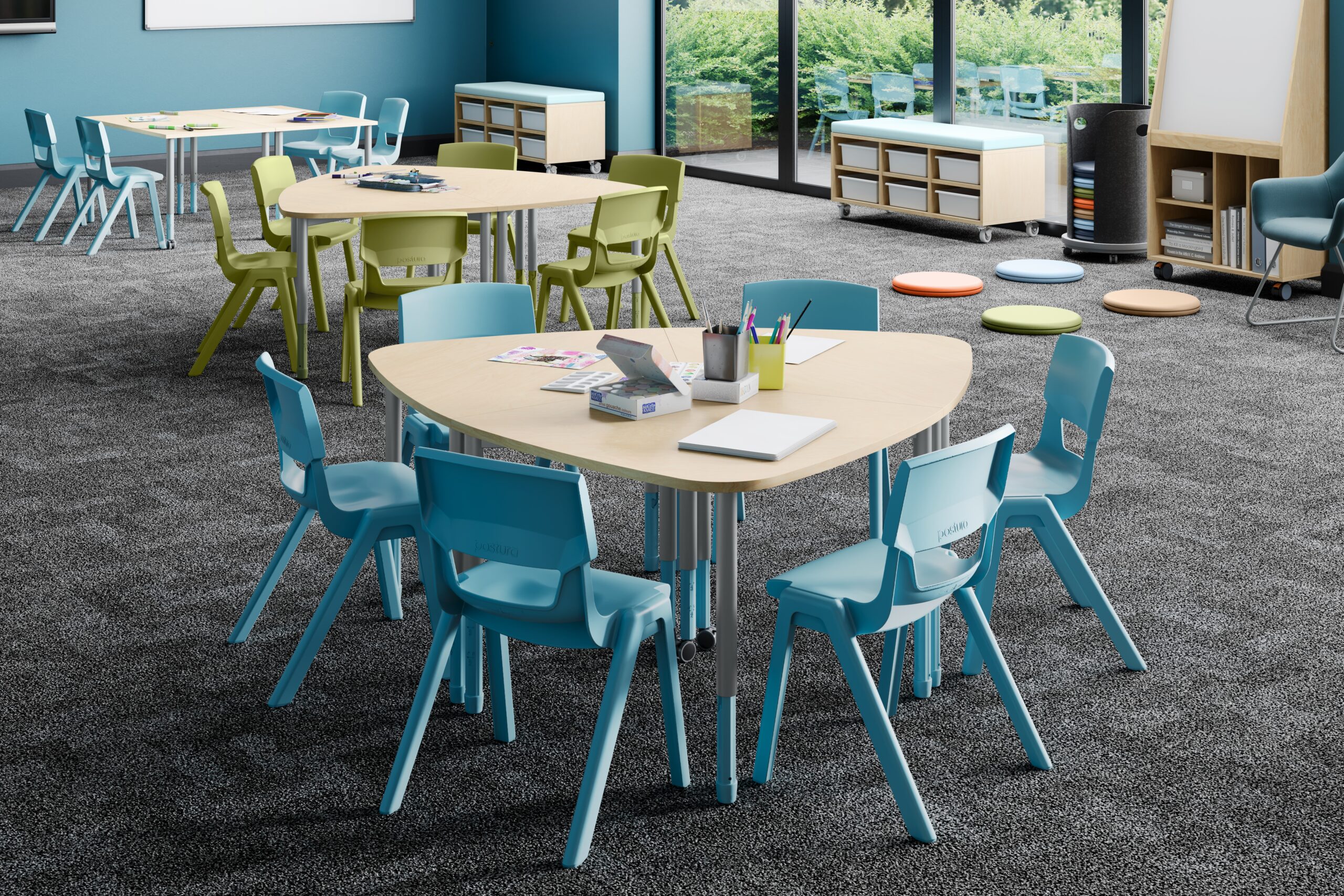
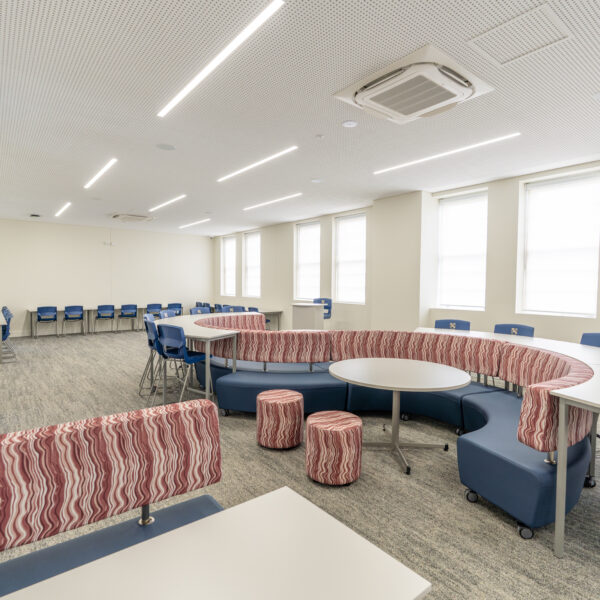
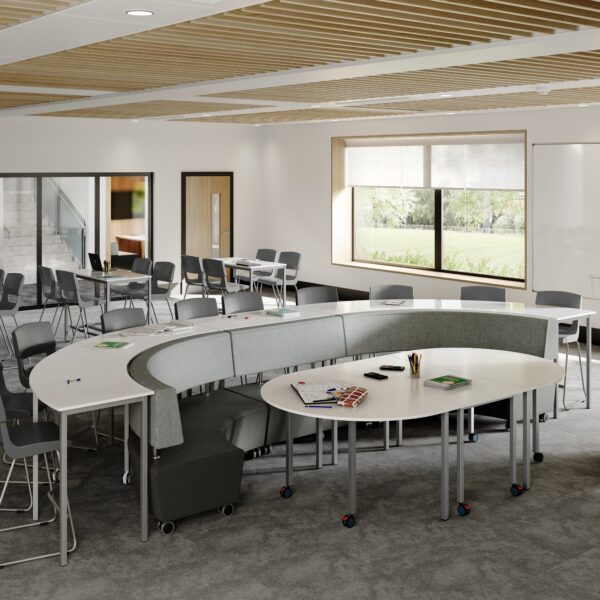
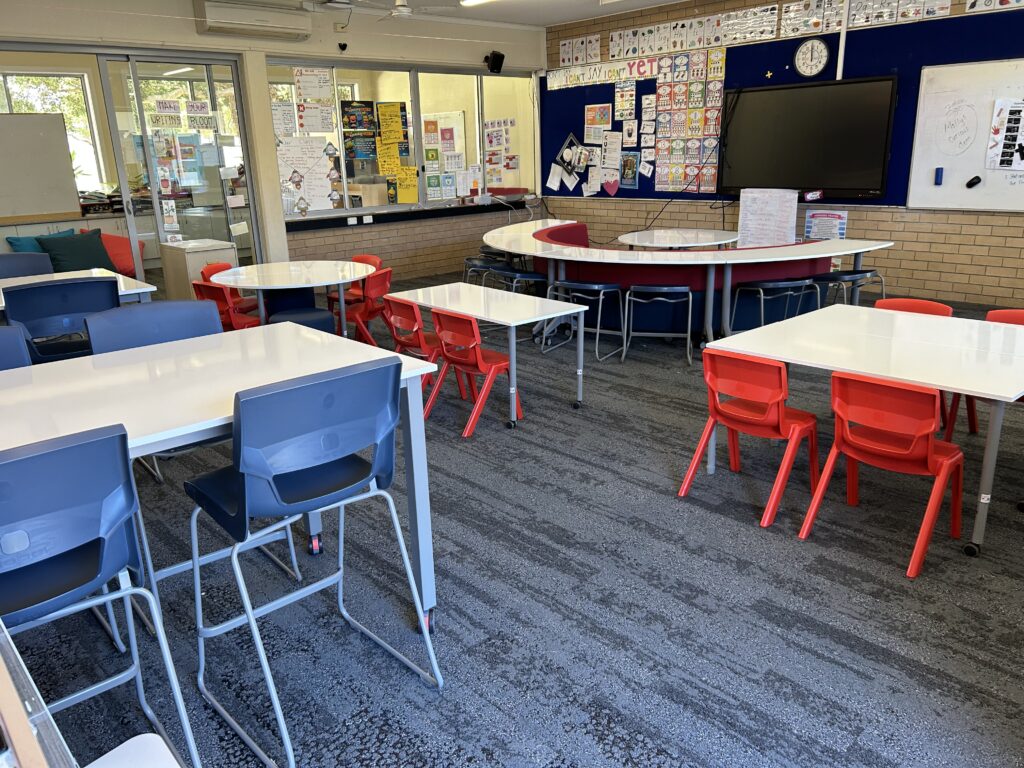
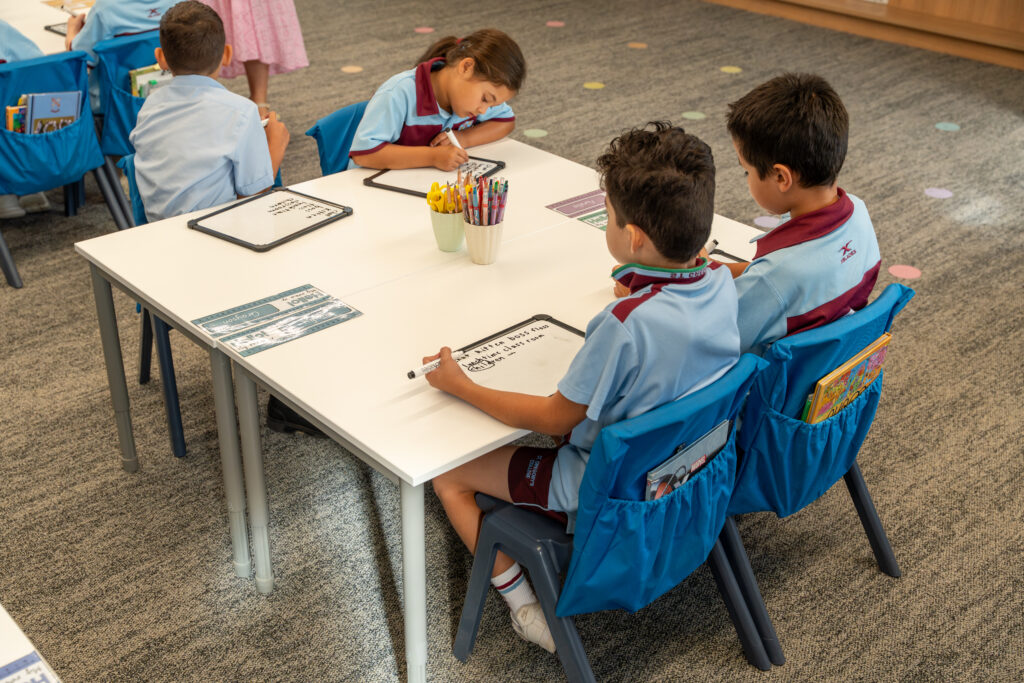
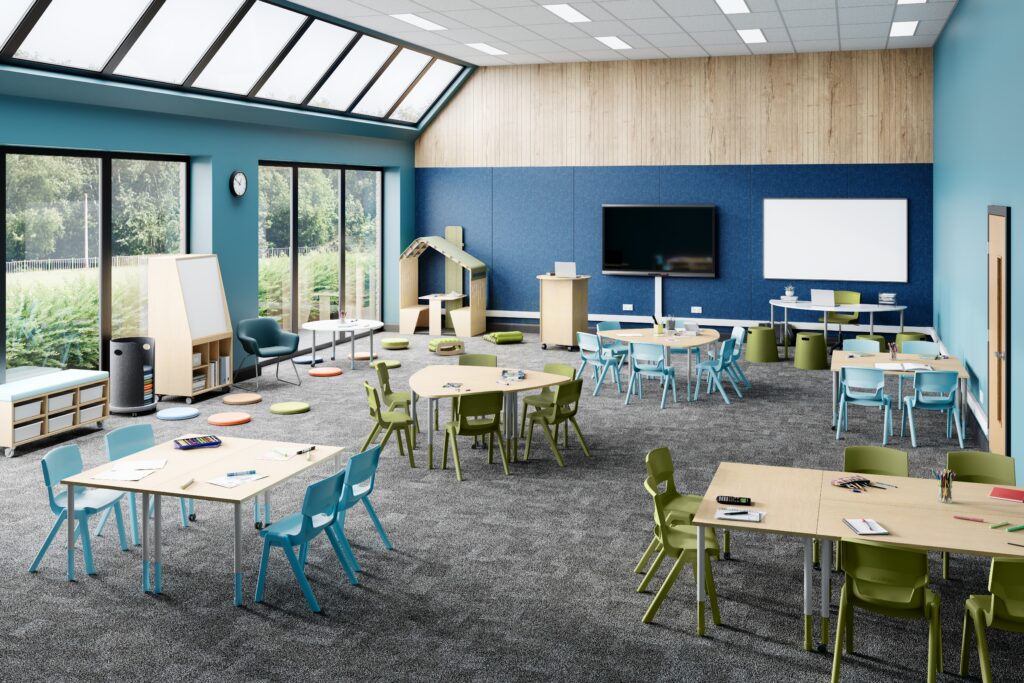
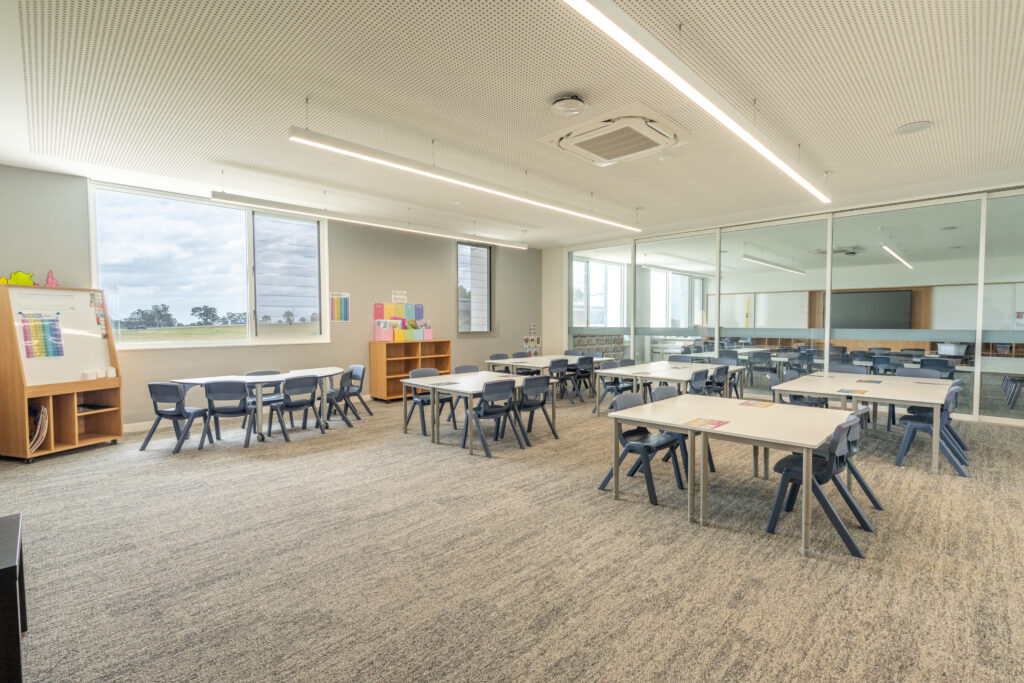
Modular desks and tables allow teachers to quickly transition between activities.
Look for furniture that supports:
- Group clusters
- Individual study
- Open floor space when needed
- Fast reconfiguration
Sebel’s learning space solutions are designed to evolve with classroom needs.
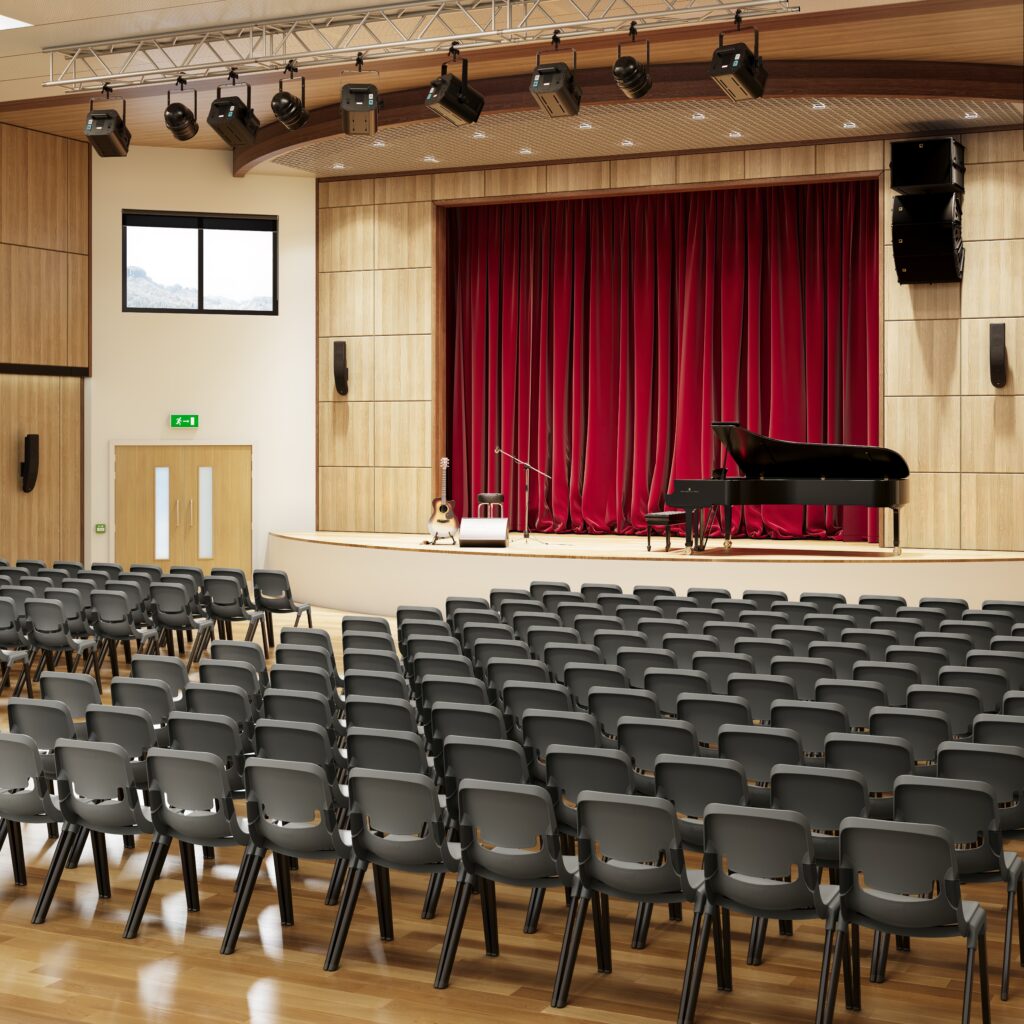
2. Durable Seating Designed for Schools
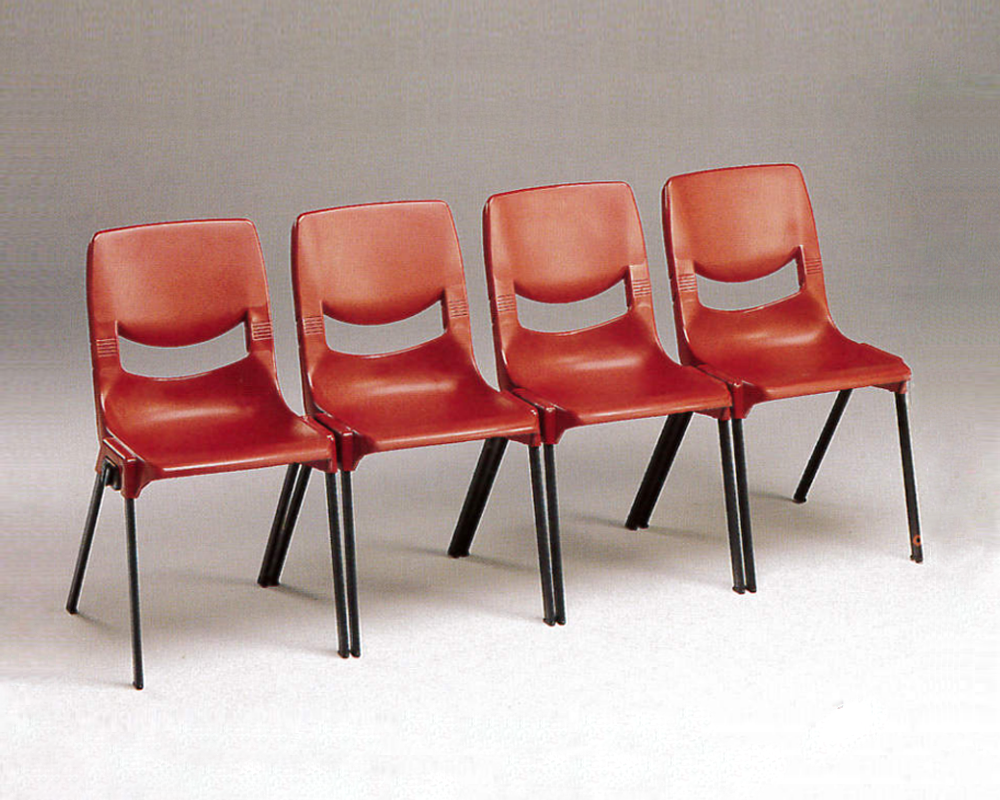
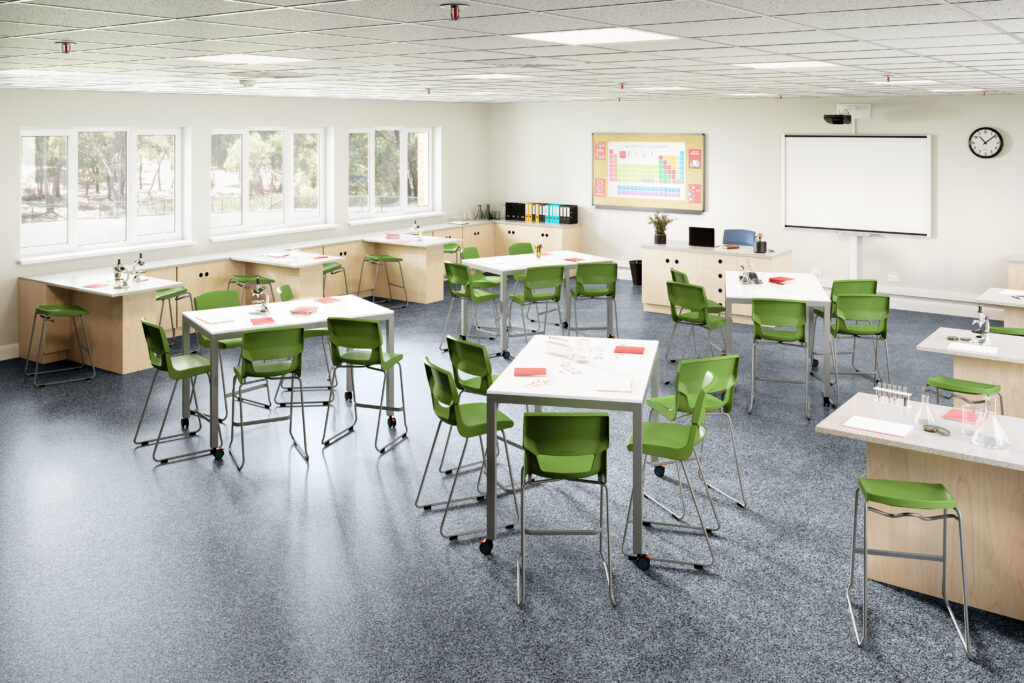
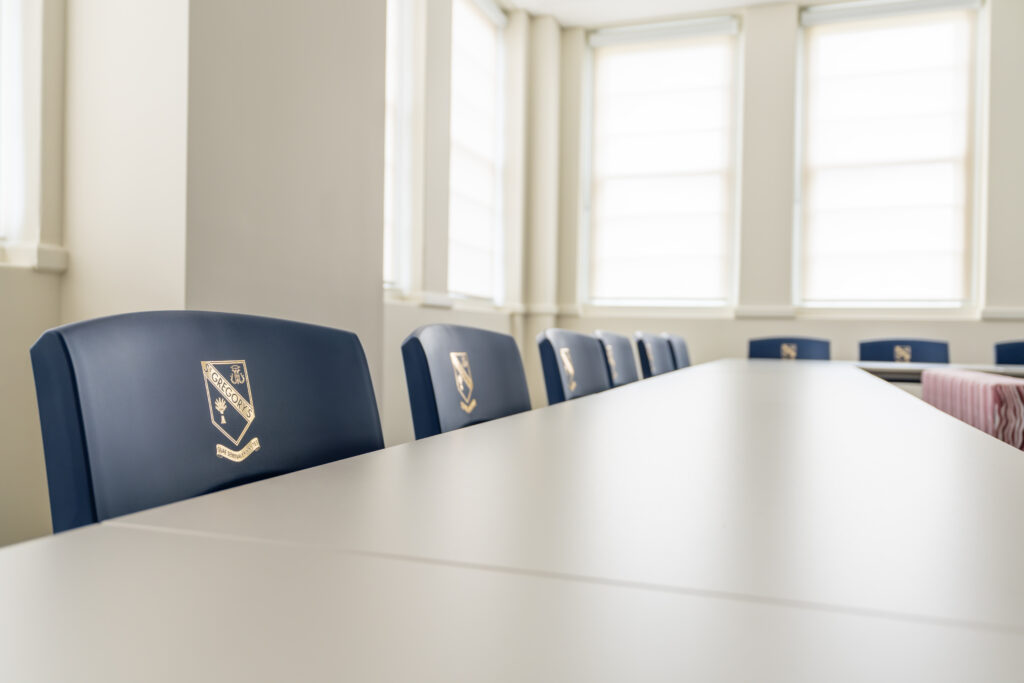
Flexible learning spaces require chairs that can handle constant movement and daily use.
Ergonomic classroom seating should offer:
- Posture support
- Comfort for long learning sessions
- Stackability or mobility
- Commercial-grade durability
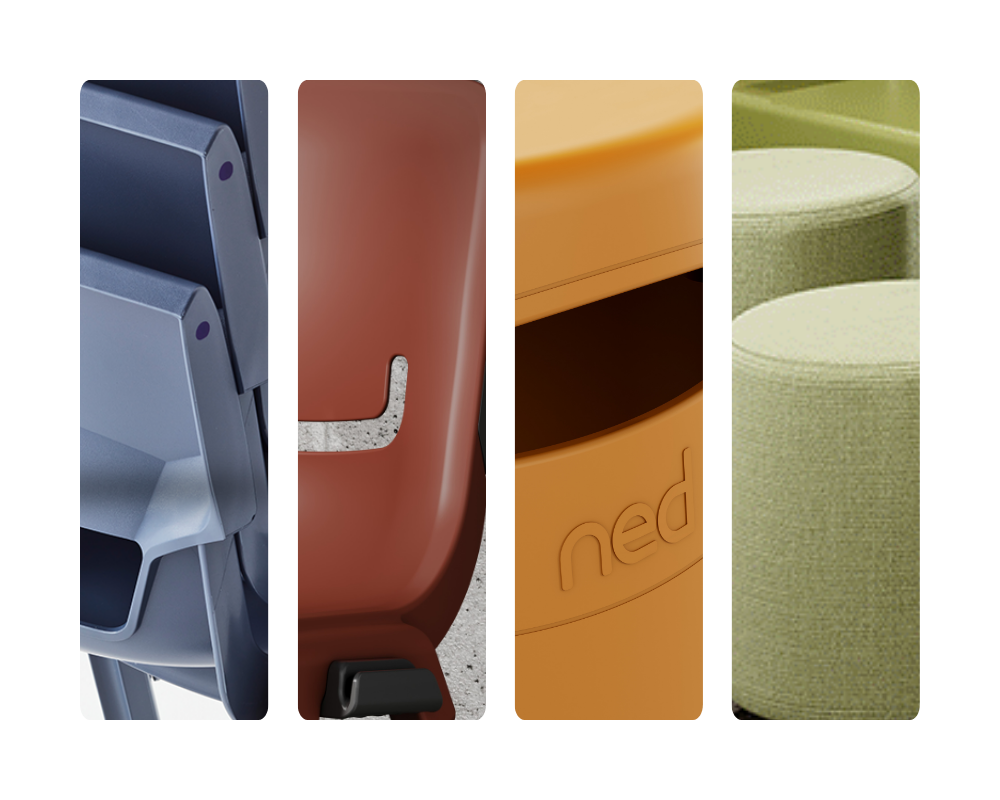
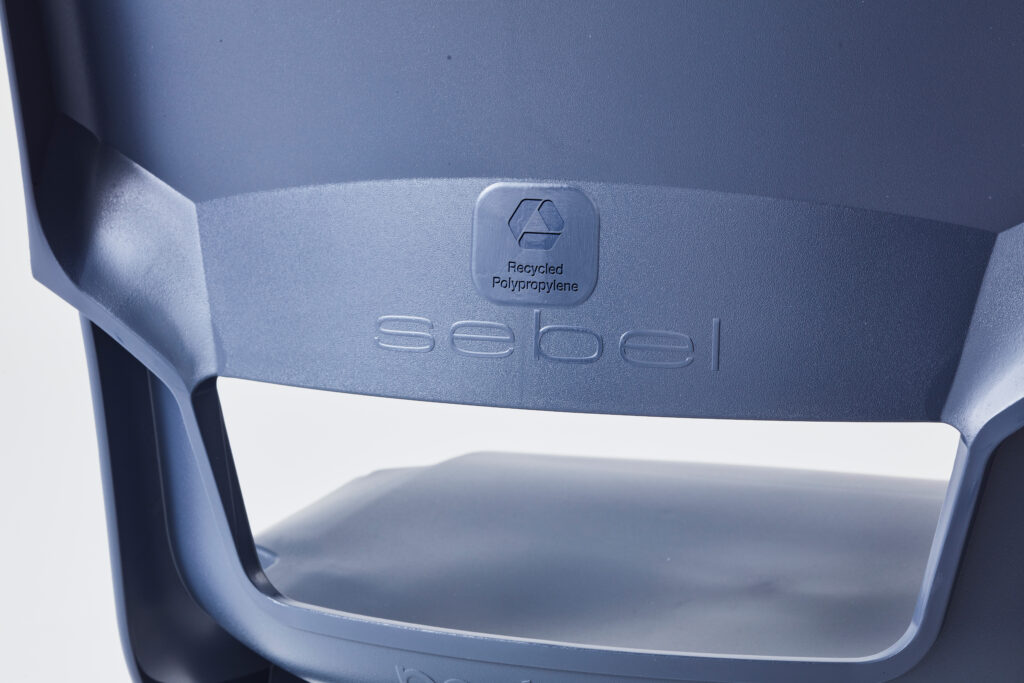
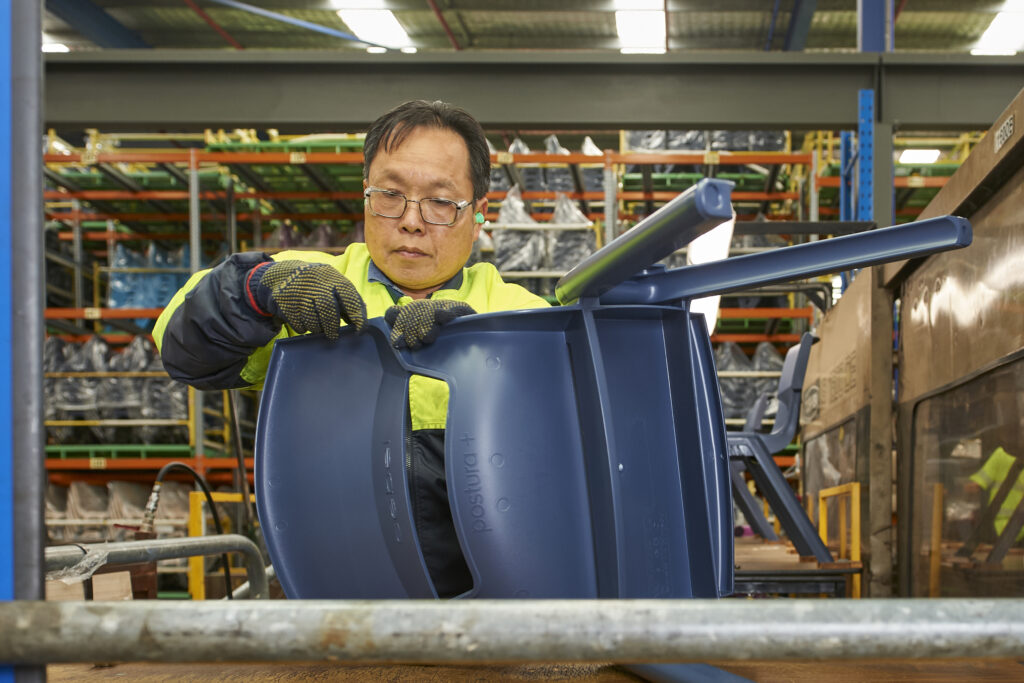
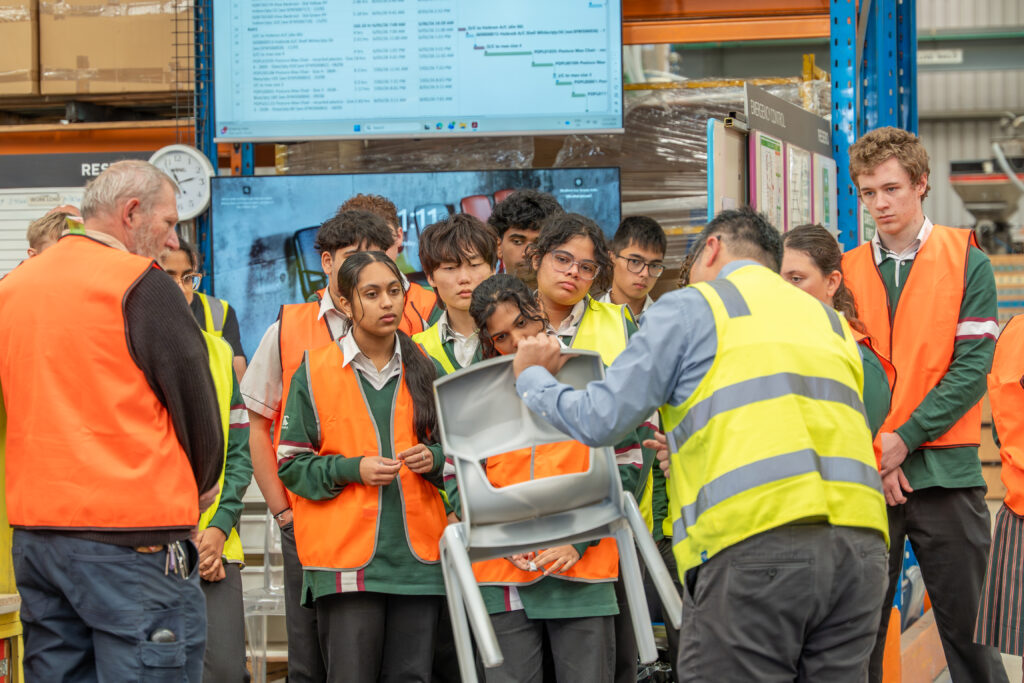
Sebel chairs are built for Australian schools – tested for strength, safety and longevity.
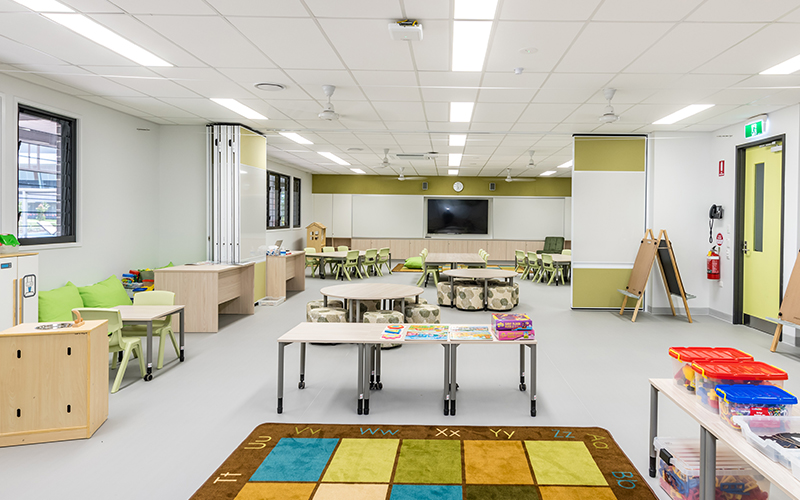
3. Zoned Learning Areas
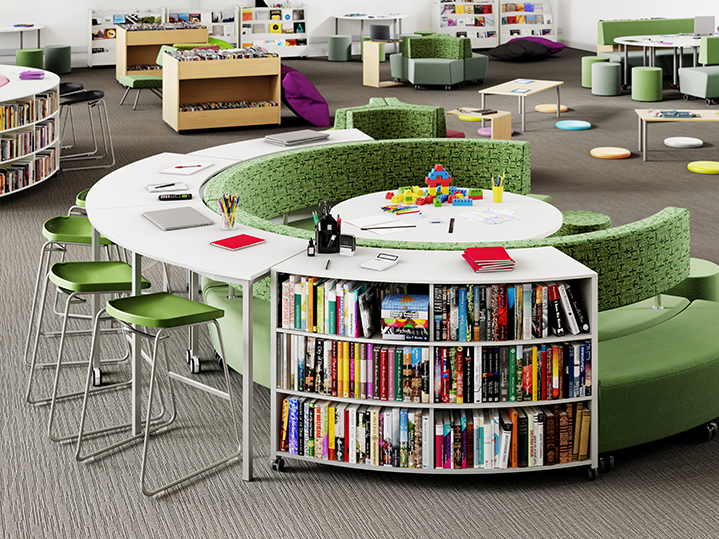
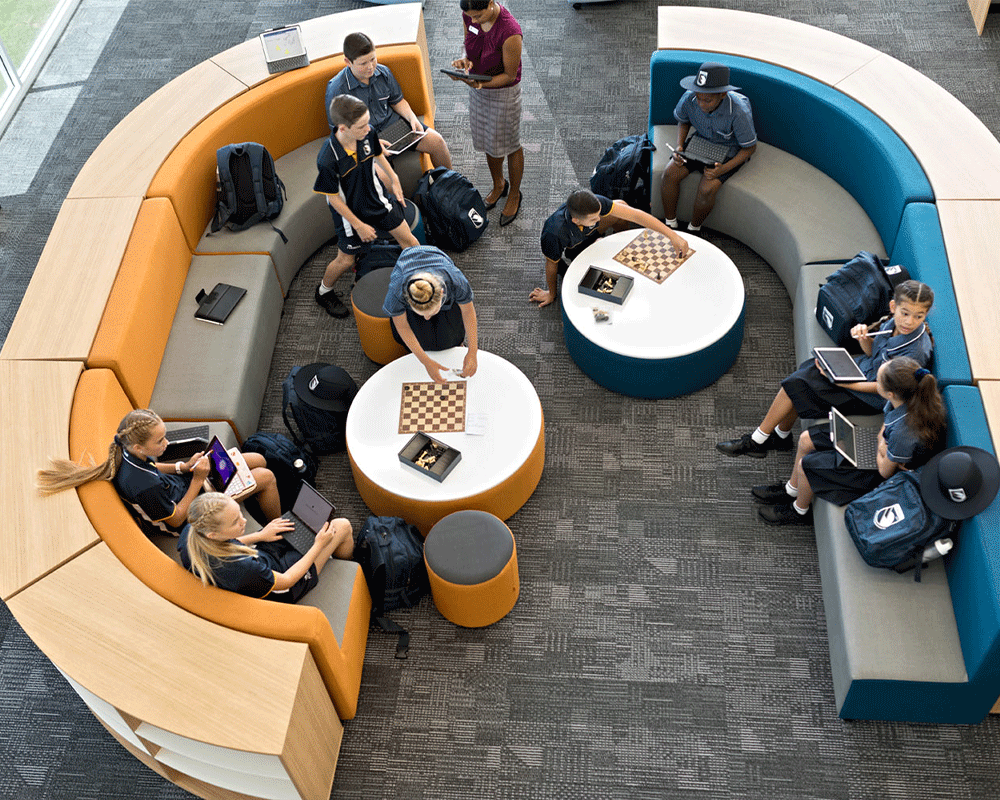
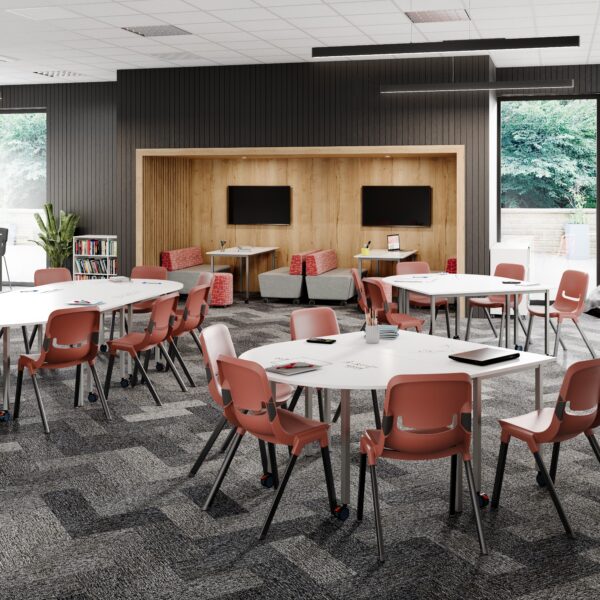
Many schools are creating learning zones within one classroom, such as:
- Collaboration hubs
- Quiet focus corners
- Presentation areas
- Creative maker zones
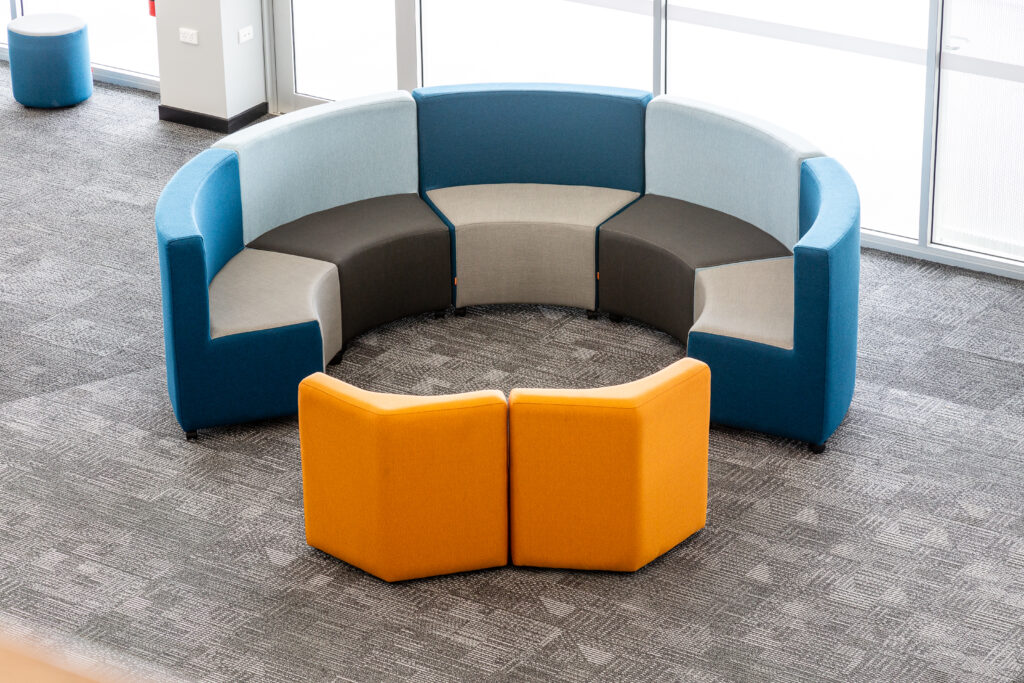
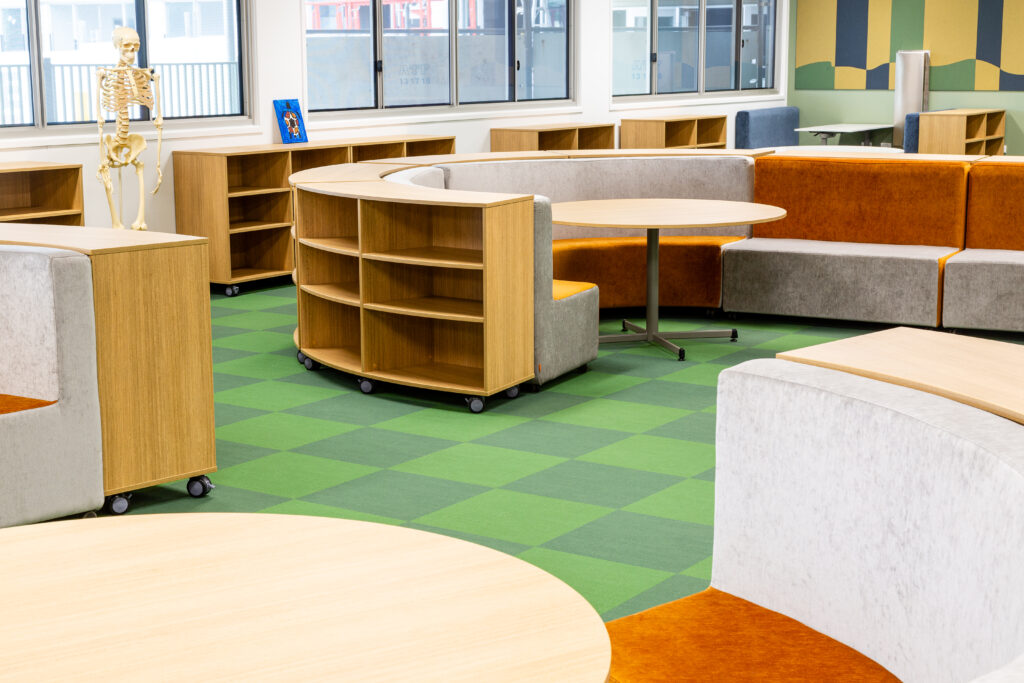
Furniture helps define these zones without permanent walls or renovations.
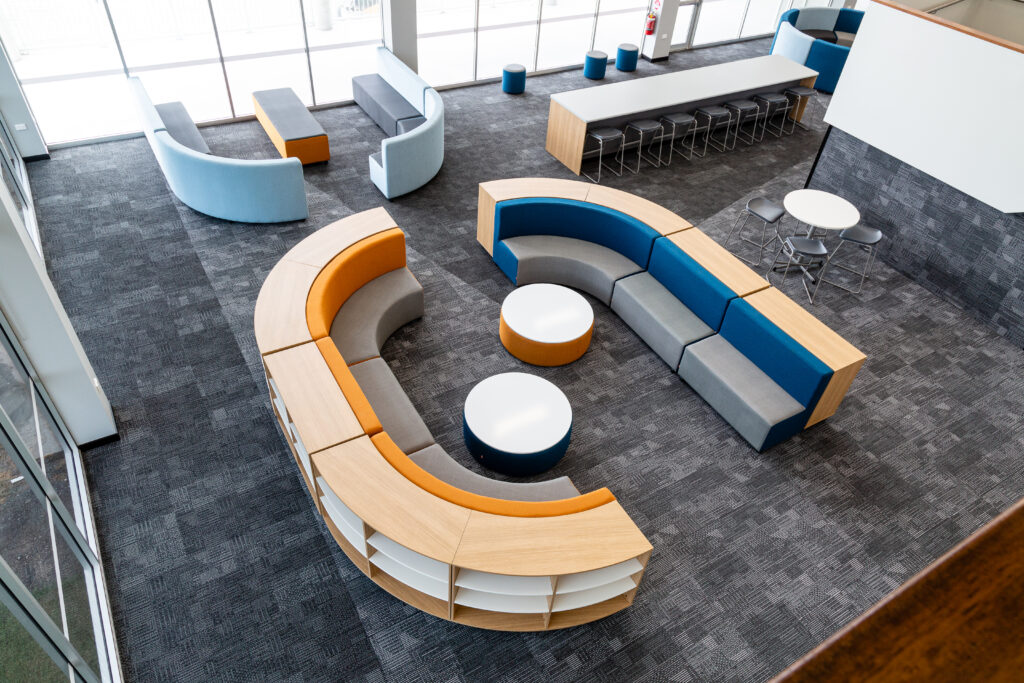
4. Multi-Purpose Shared Spaces
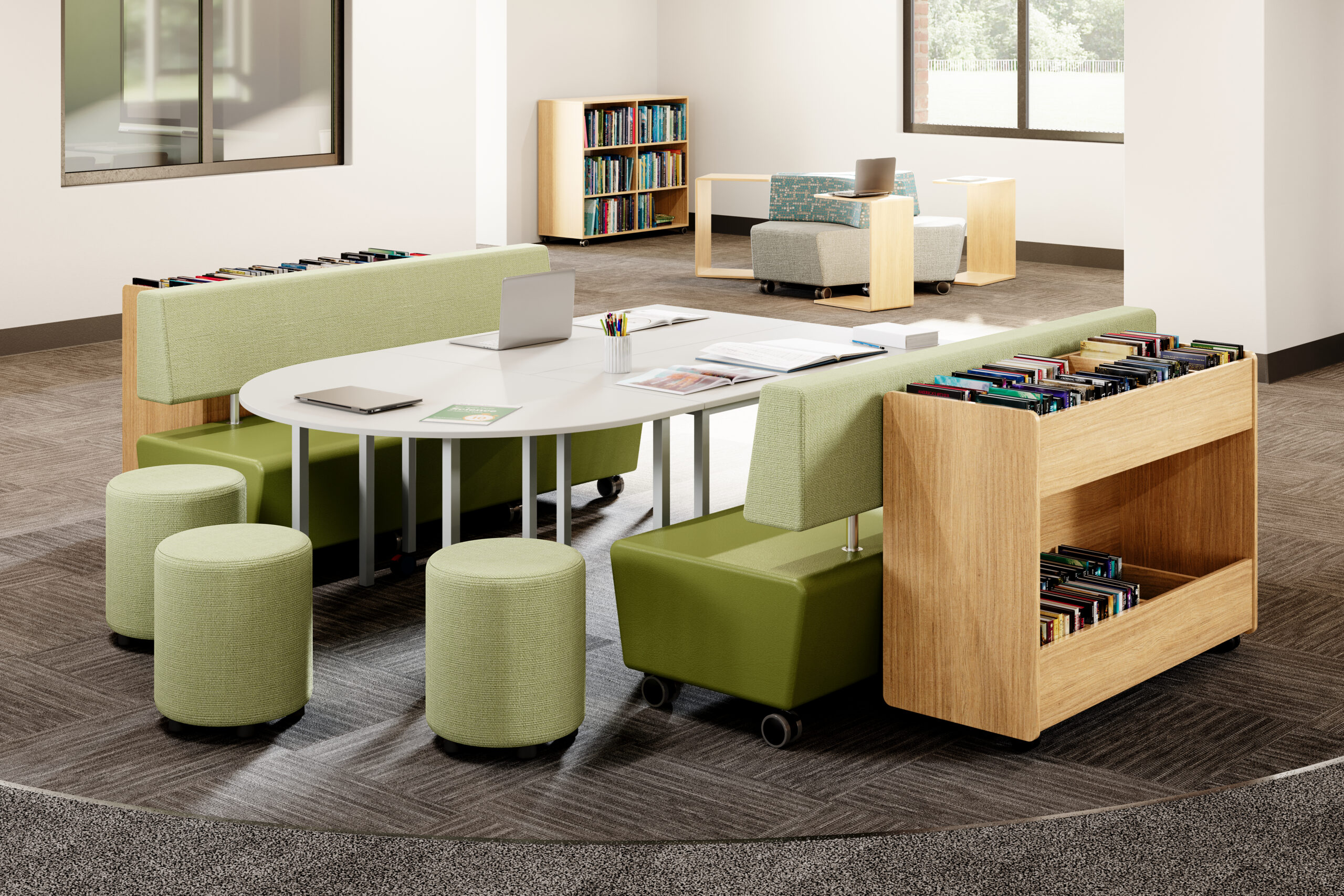
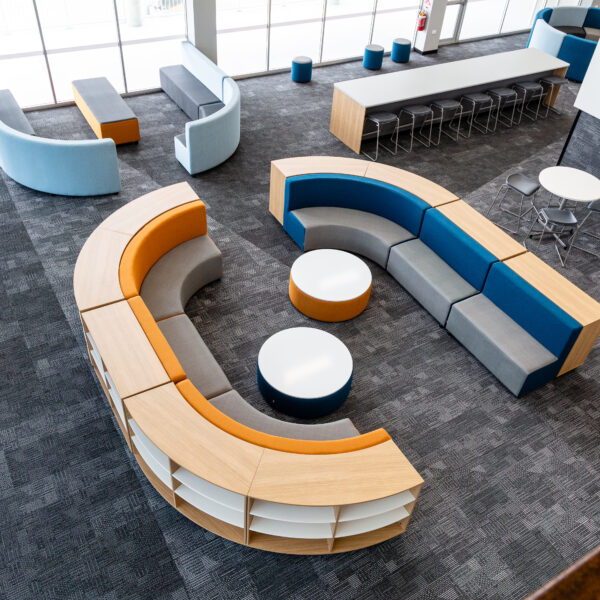
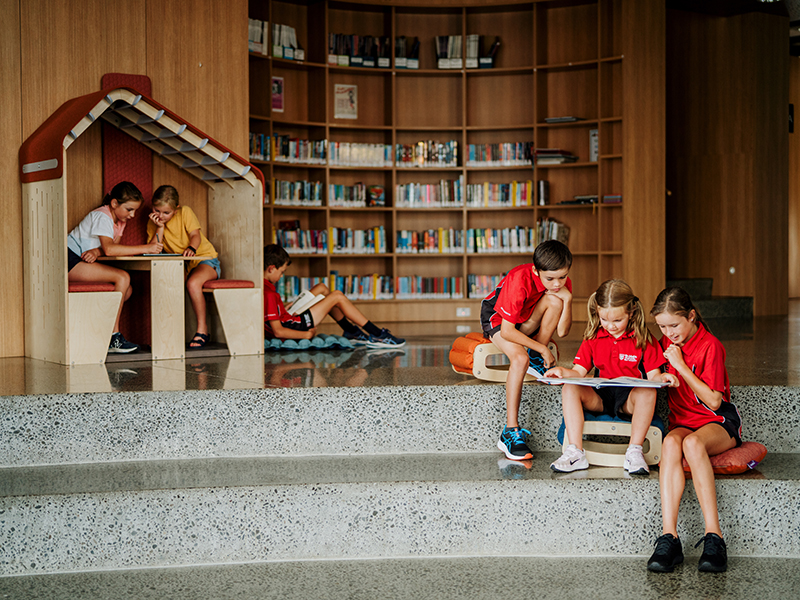
Schools are increasingly investing in spaces that serve multiple functions, including:
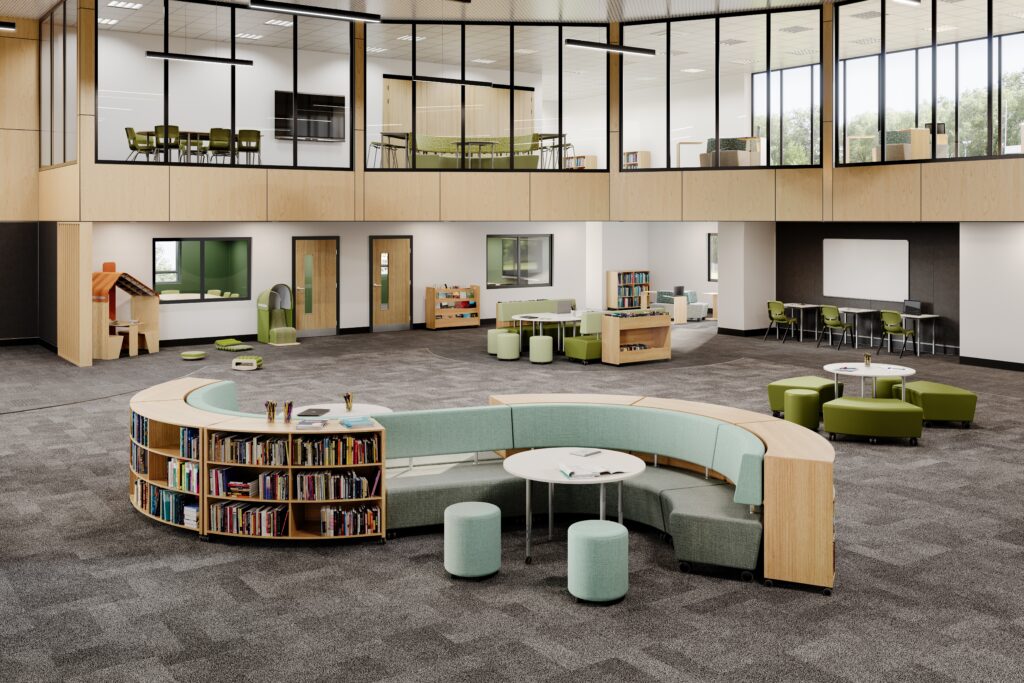
- Learning commons
- Libraries as collaboration areas
- Breakout spaces for group work
- Staff and student shared zones
Flexible furniture ensures these spaces remain adaptable over time.
5. Inclusive Design for Every Learner
Future learning environments must support all students, including those with additional needs.
Flexible spaces can incorporate:
- Adjustable furniture
- Accessible layouts
- Sensory-friendly seating options
- Calm regulation spaces
Inclusive furniture design helps every learner feel supported.