How Learning Spaces can support STEM Education
STEM learning is active by design. To support STEM properly, learning spaces need to move, adapt and respond in real time – just like the learning itself.
STEM learning is active by design. To support STEM properly, learning spaces need to move, adapt and respond in real time – just like the learning itself.
STEM stands for Science, Technology, Engineering and Mathematics – but it’s not a set of isolated subjects. Instead, it’s an integrated approach to learning that mirrors how problems arise in the real world.
It’s not new – the term was first coined in 2001 – but the ways we teach and support STEM learning have evolved as the skills needed in future workplaces continue to change.
Unlike traditional lessons, STEM activities often shift formats within a single session – from discussion to hands-on making, to testing and refinement.
That means learning spaces need to:
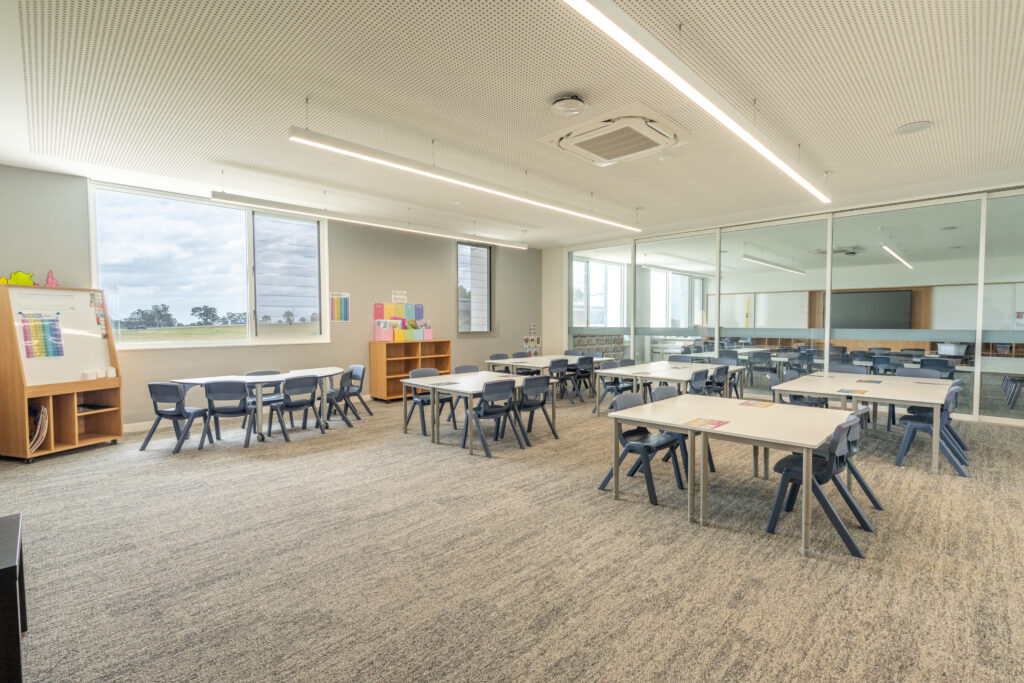
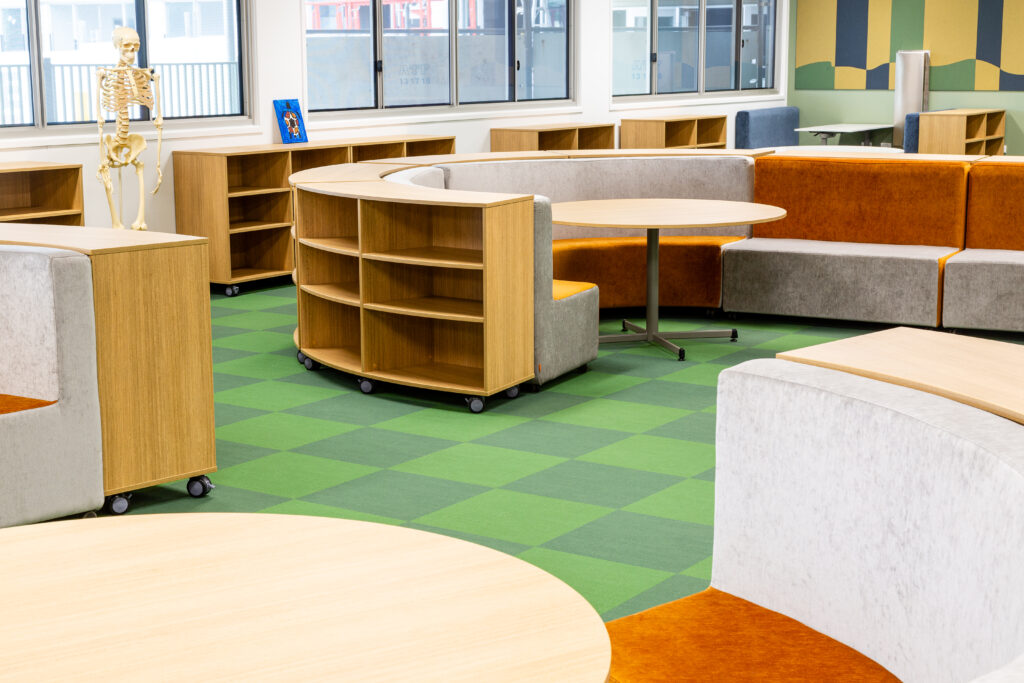
Reconfigure quickly for group work
Support collaboration without crowding
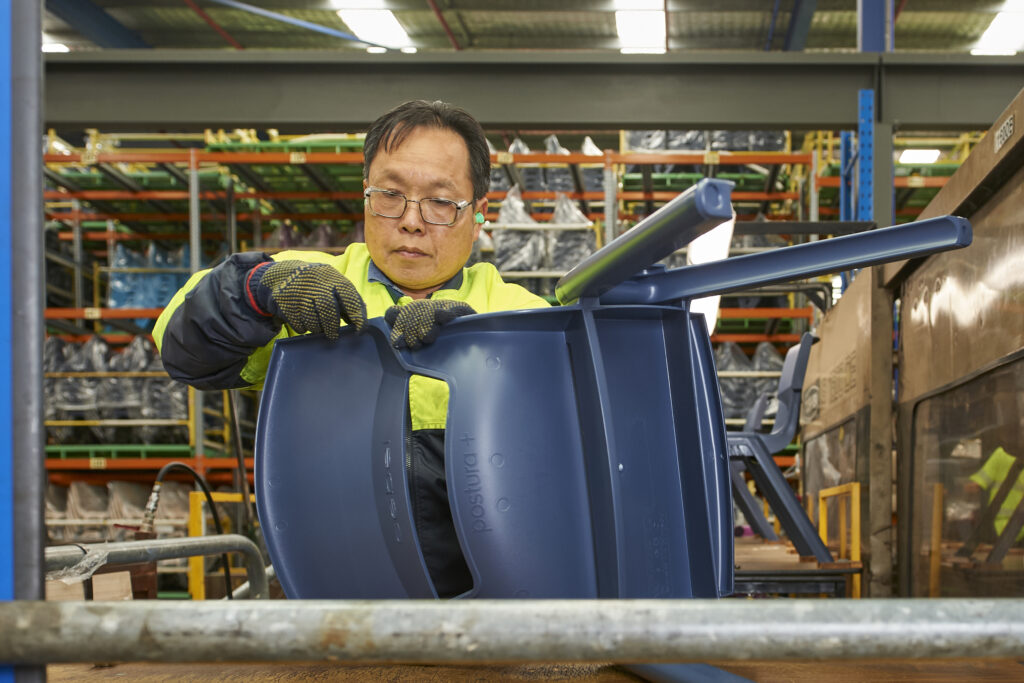
Withstand frequent movement, use and change
When furniture supports these needs, teachers spend less time managing the room – and more time supporting learning.
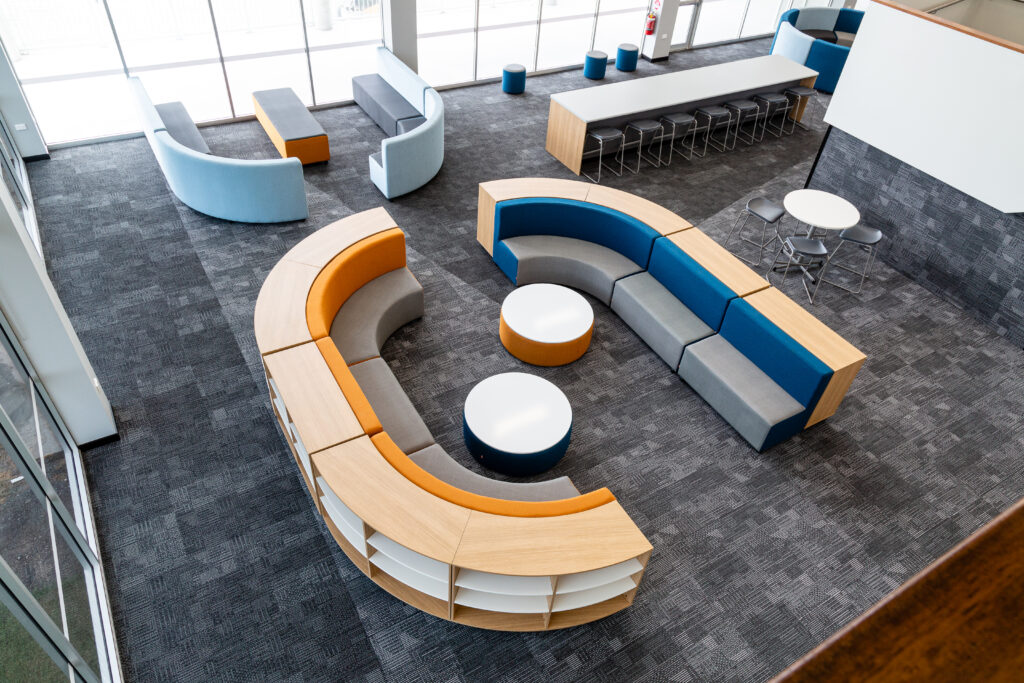
Effective STEM spaces are built around flexibility, durability and access. Key considerations include:
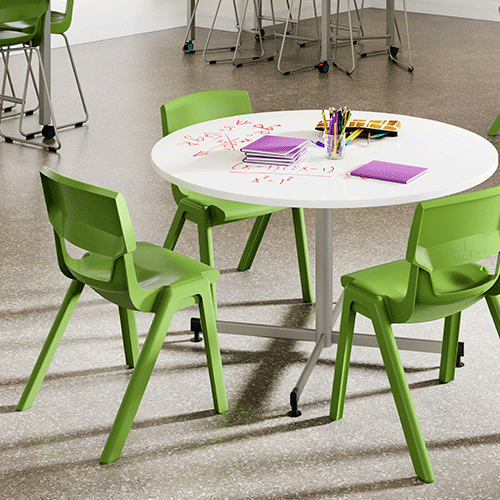
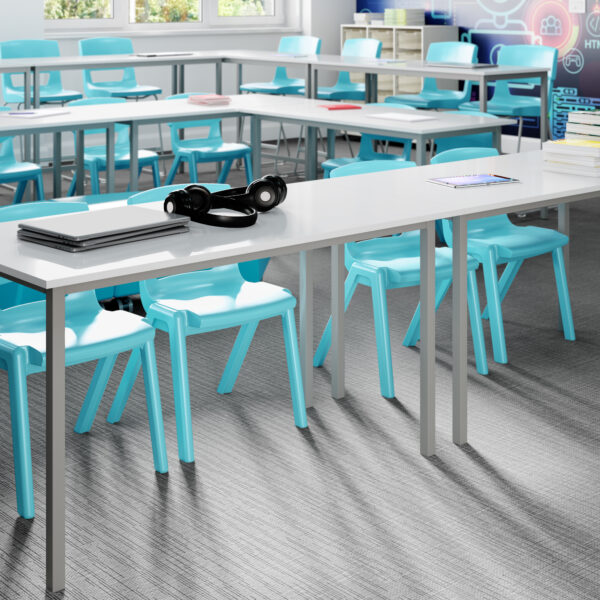
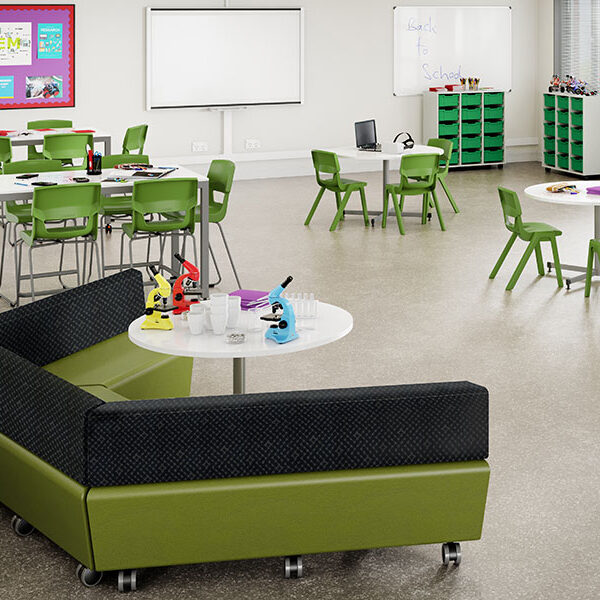
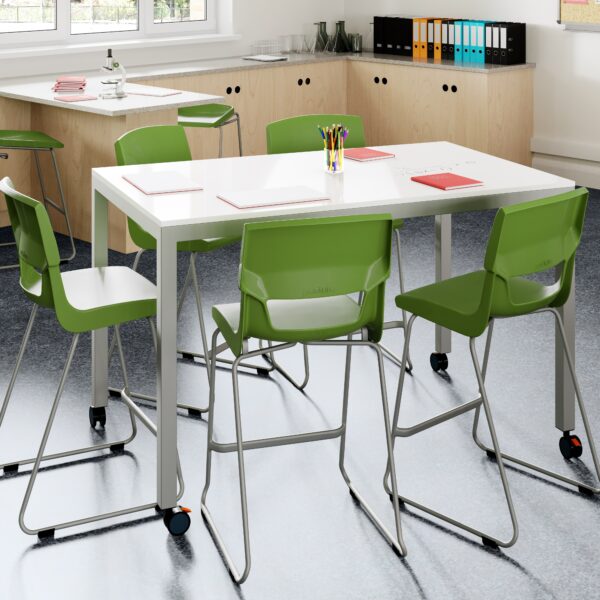
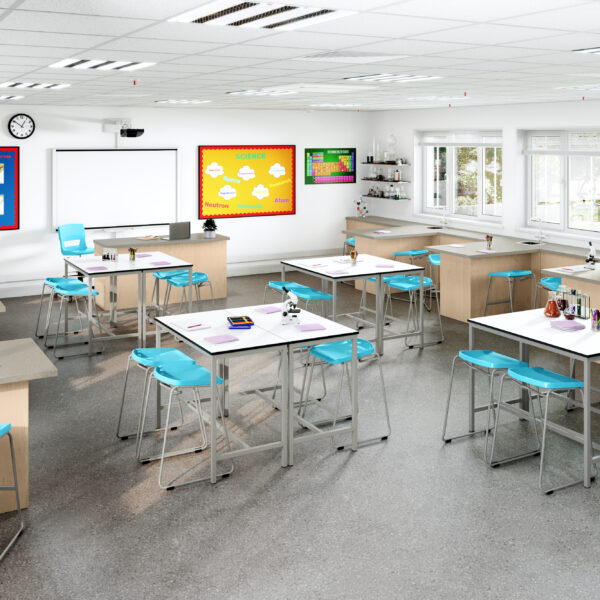
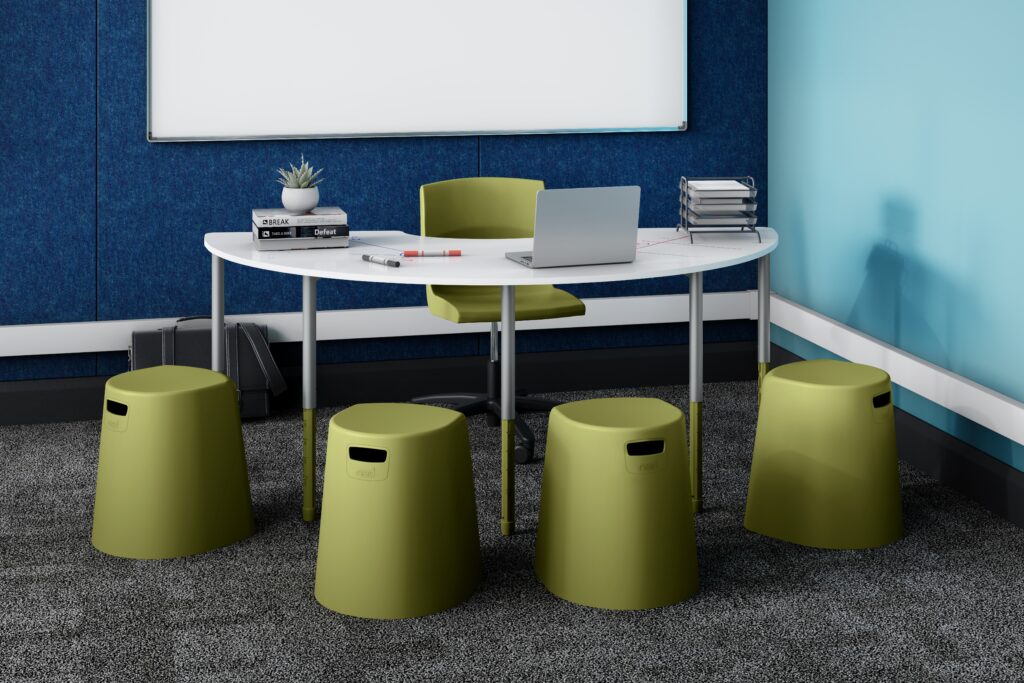
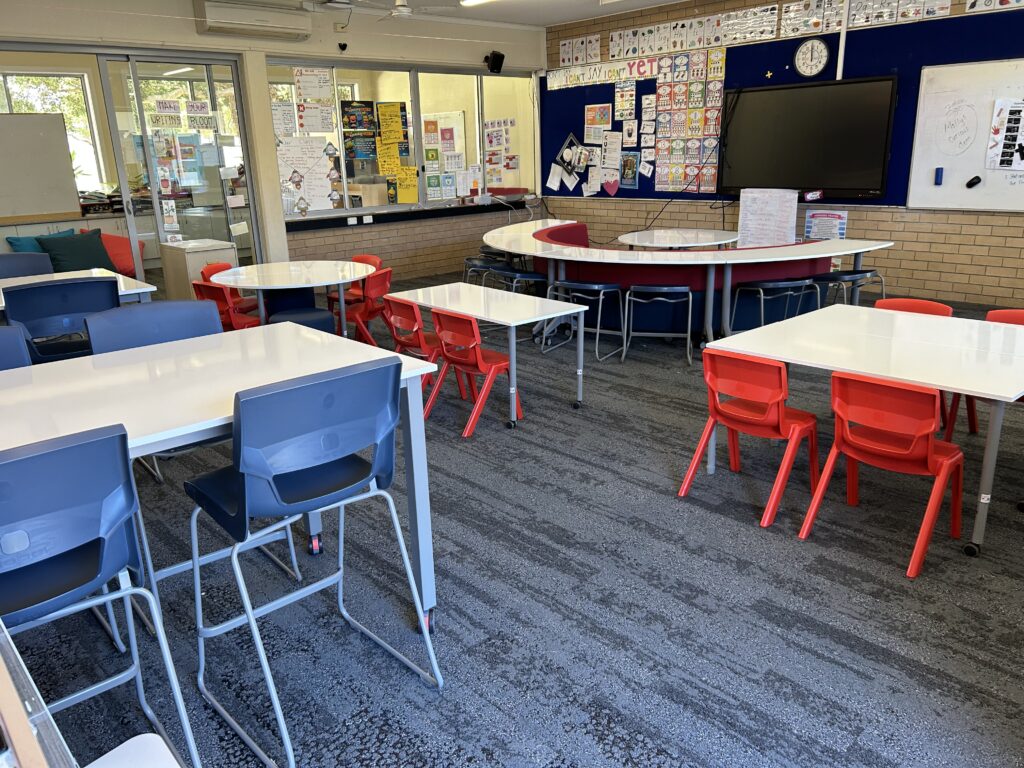
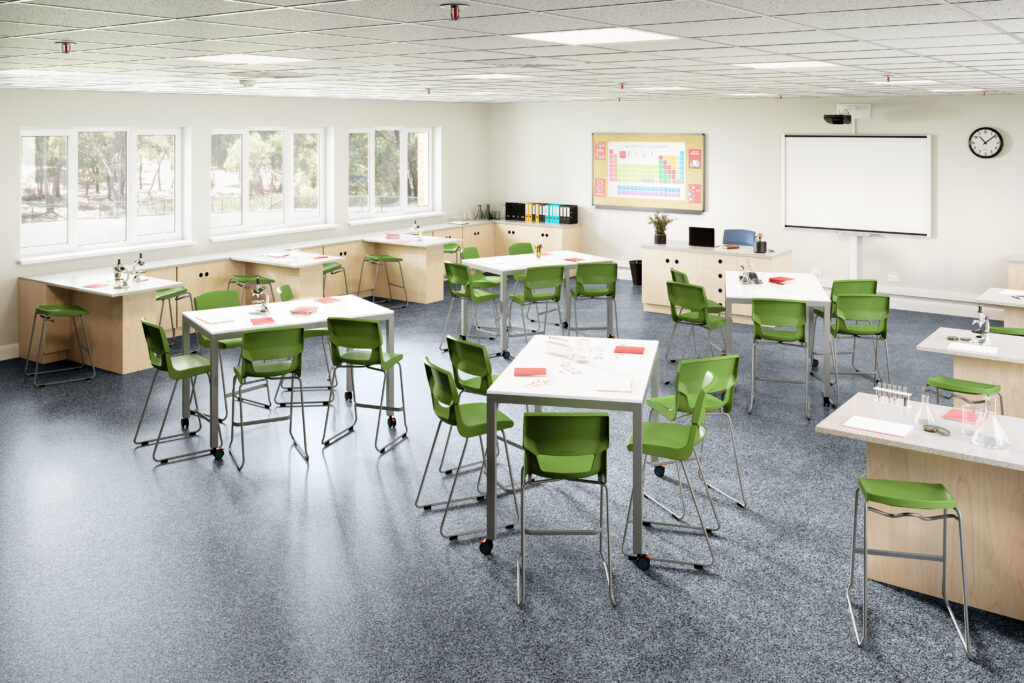
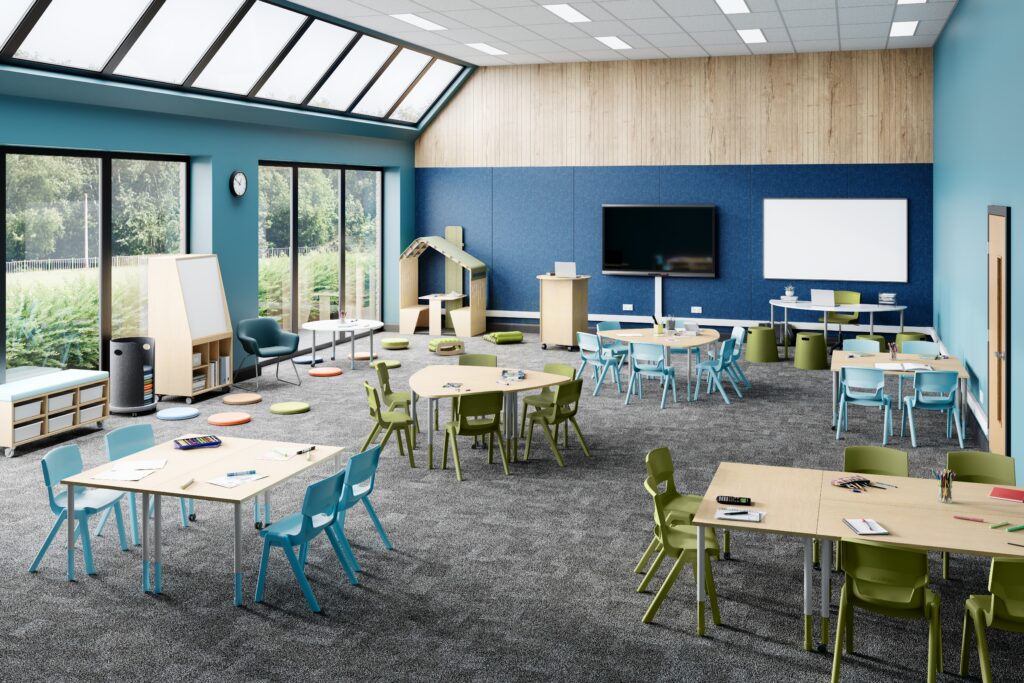
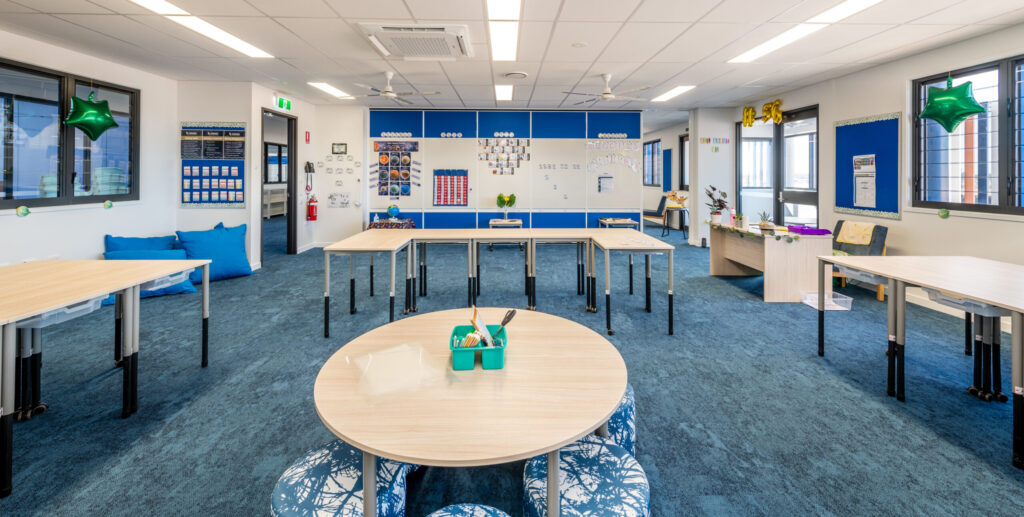
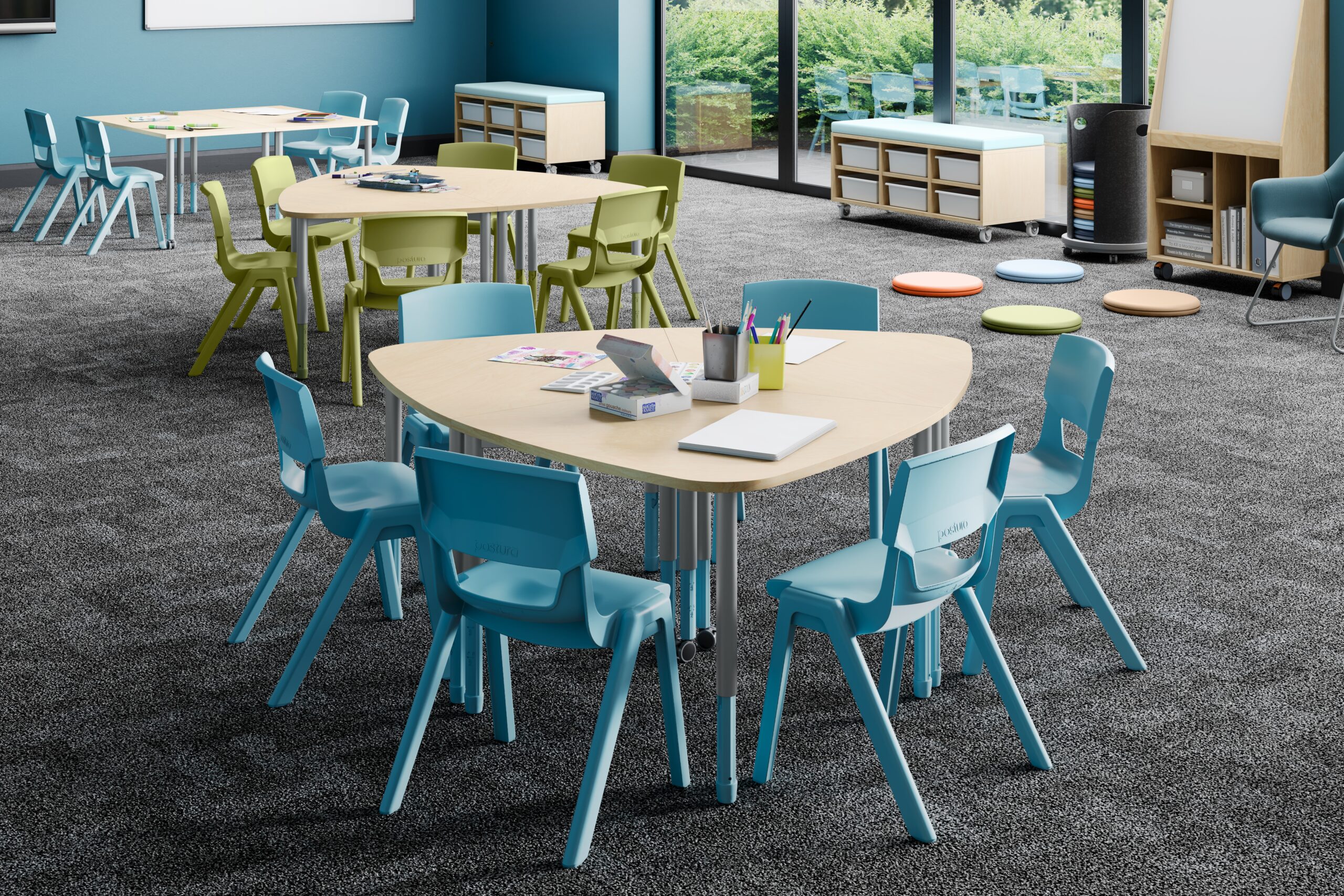
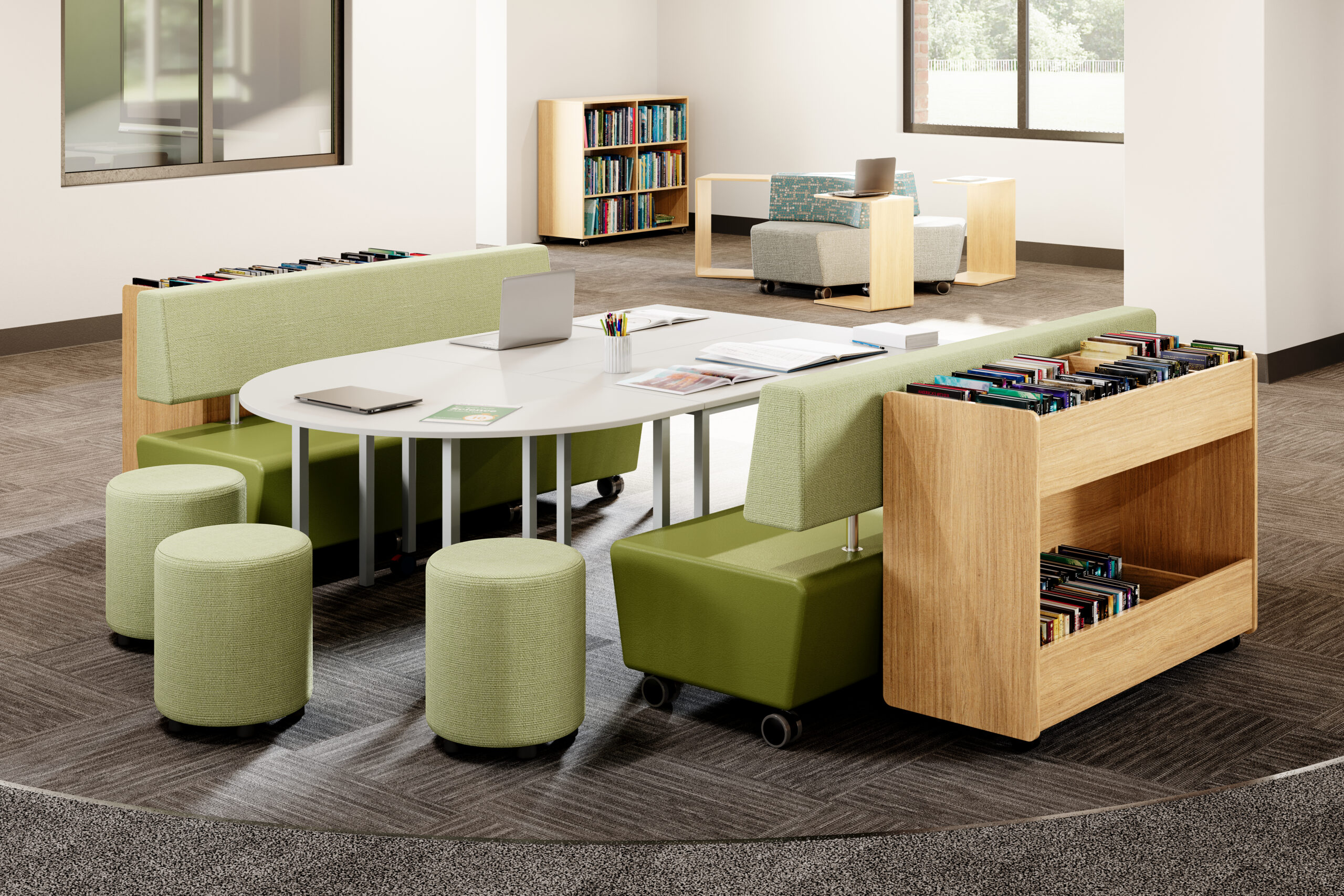
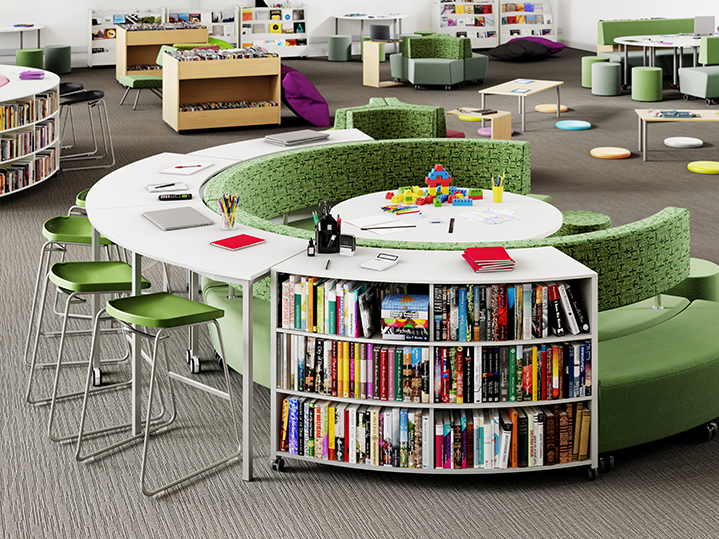
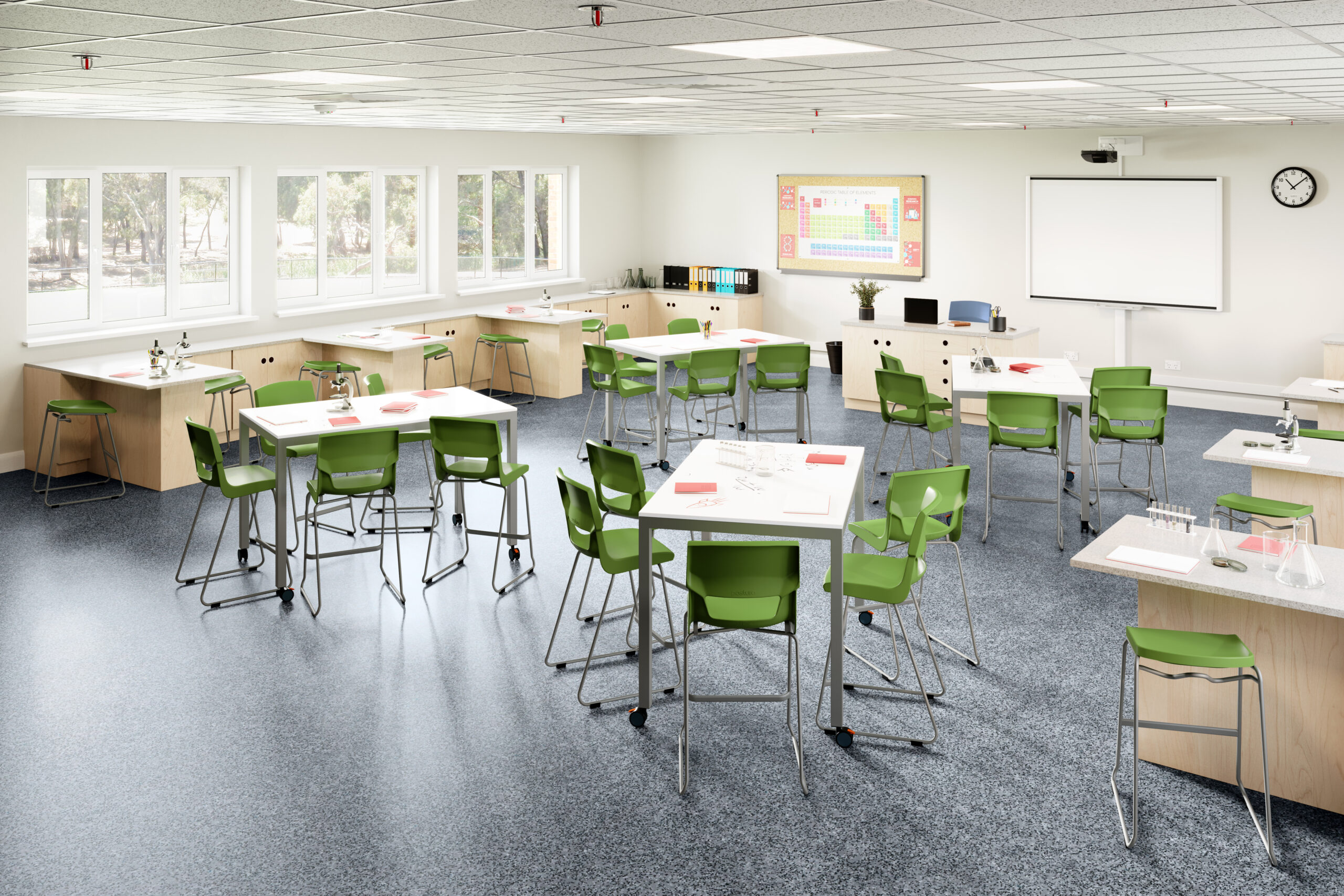
Reconfigurable tables and seating that support teamwork and problem-solving
Durable surfaces that handle daily hands-on use
Accessible storage so tools and materials are easy to reach and quick to pack away
When spaces are designed with these principles in mind, STEM learning becomes easier to deliver, easier to manage, and more engaging for students.
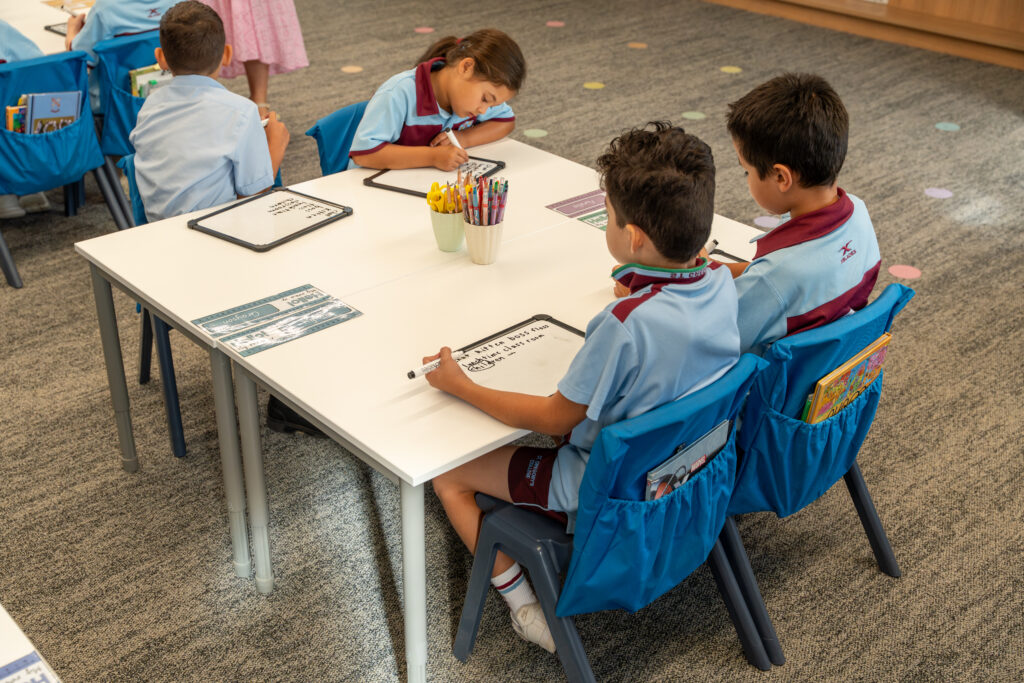
STEM isn’t confined to a single age group or subject. It appears in Primary classrooms, Secondary labs, maker spaces and shared learning hubs.
That means furniture needs to:
Support different student sizes and activities
Adapt across subjects and timetables
Remain relevant as teaching approaches evolve
Flexible design isn’t a nice-to-have here – it’s what makes STEM spaces sustainable long-term.
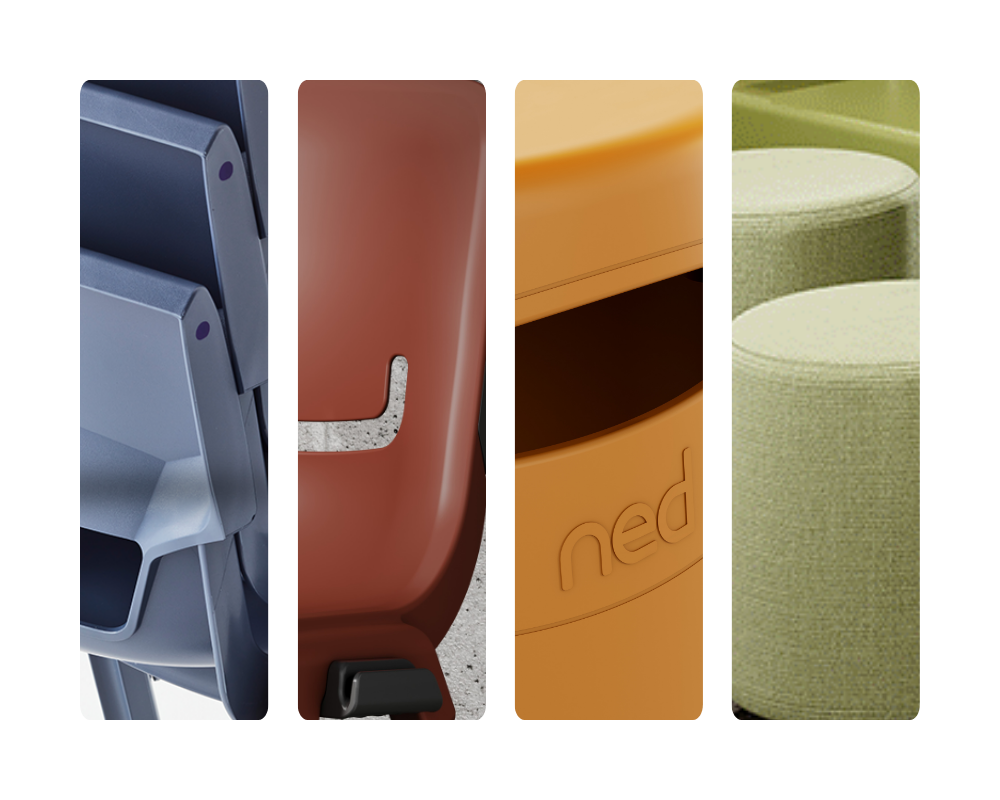
More on furniture built to last.