You are currently on the Australian website
Welcome to Sebel — If you are outside of Australia, we recommend changing your region below for the most suitable content.
or
Change region
-

Education Furniture Trends to Watch in 2026

  • Educational
  • News

Share this article

Learning environments are evolving alongside changes in education. As schools adapt to new teaching methods, classroom furniture must support flexibility, collaboration and technology integration.

Looking ahead to 2026, several key furniture trends are shaping how Australian schools design modern learning spaces.

1. Flexible Learning Spaces

Traditional classroom layouts are being replaced by adaptable learning environments.

Flexible furniture allows teachers to quickly reconfigure classrooms for different learning activities.

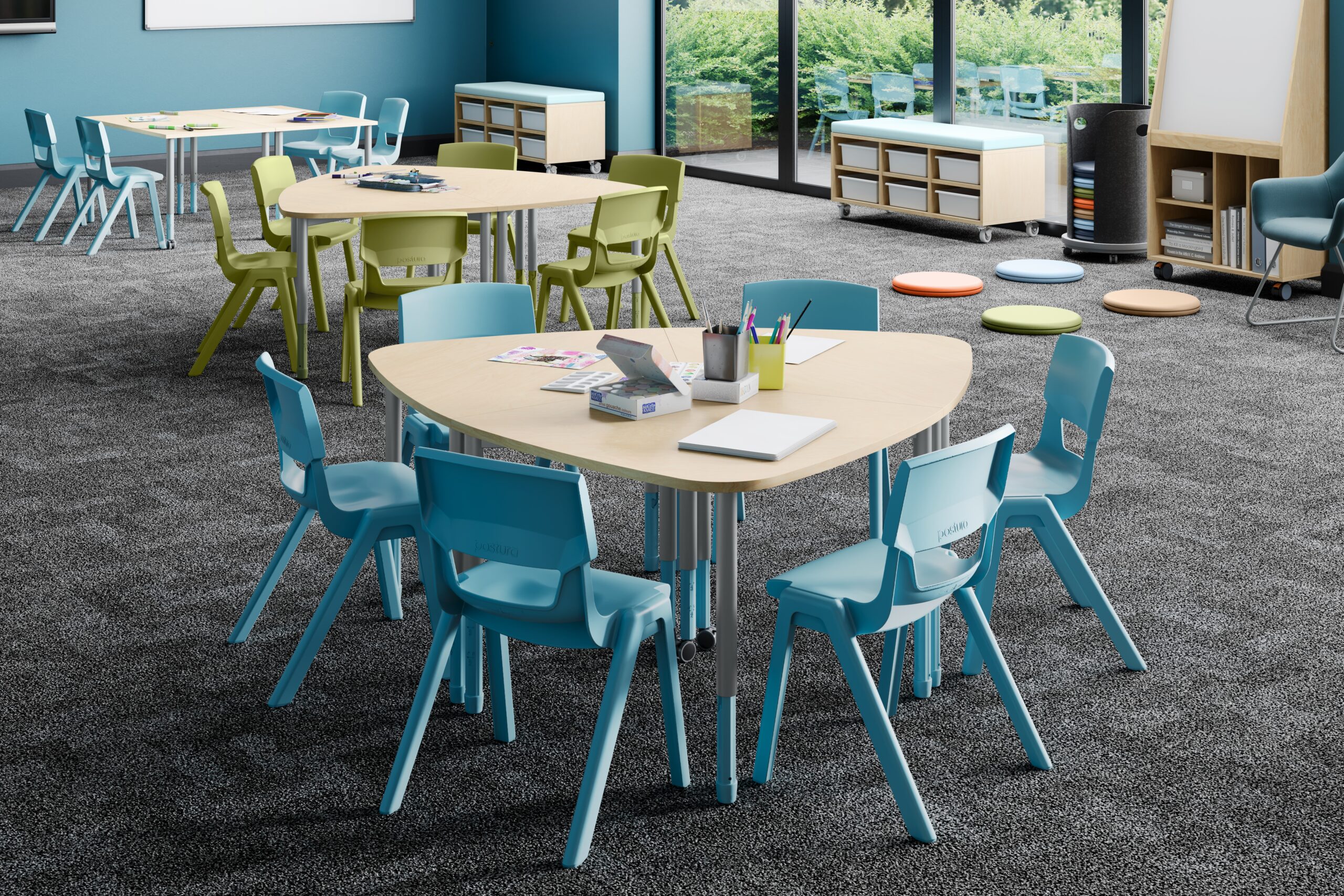
Products such as Create-A-Space™ modular desks allow teachers to easily move between individual work, group collaboration and whole-class instruction.

Lightweight seating such as the Postura+ Chair also supports flexible classroom layouts.

2. Furniture Designed for Collaboration

Collaborative learning is becoming central to modern teaching methods.

Furniture that supports group work helps students engage with peers and develop communication skills.

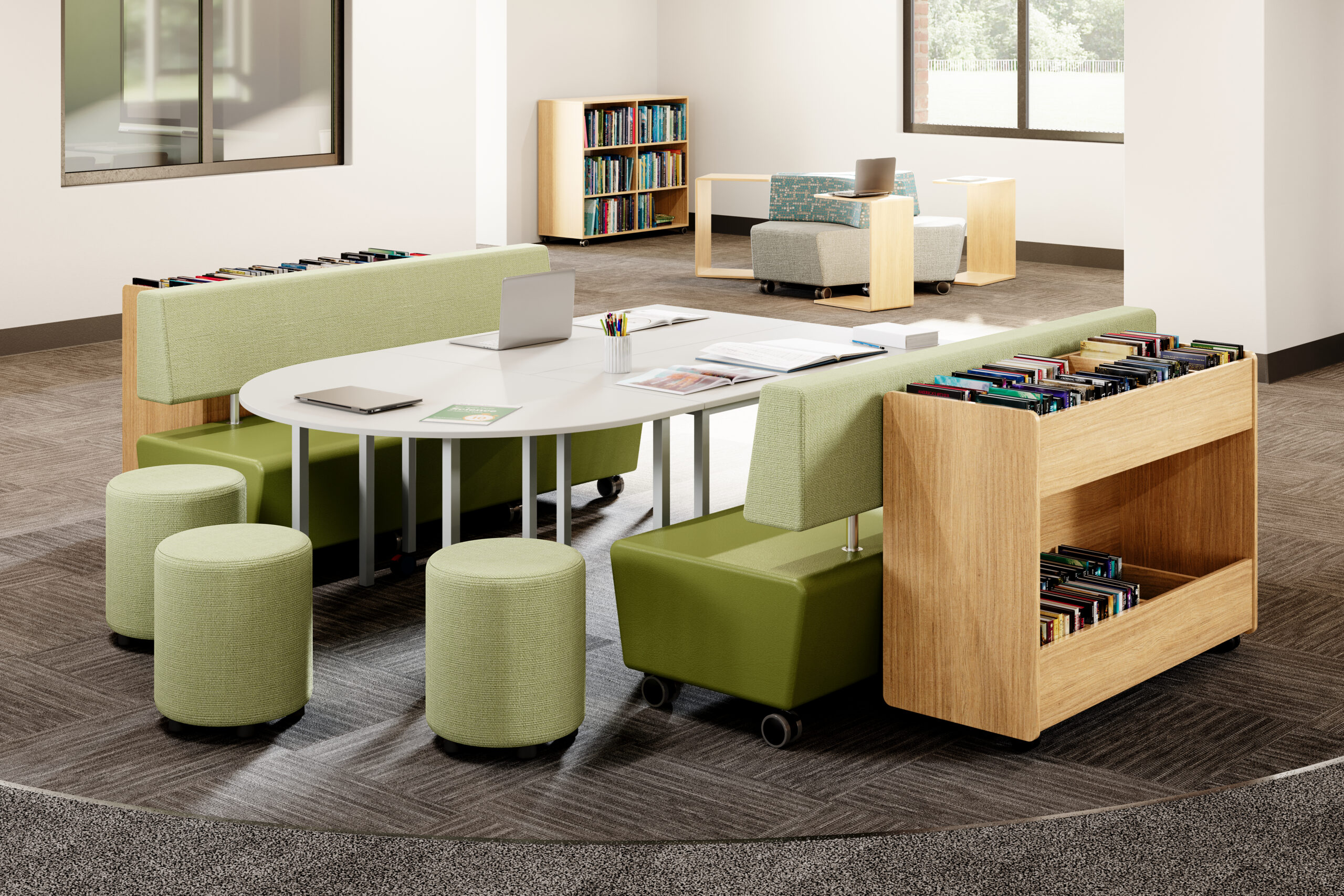
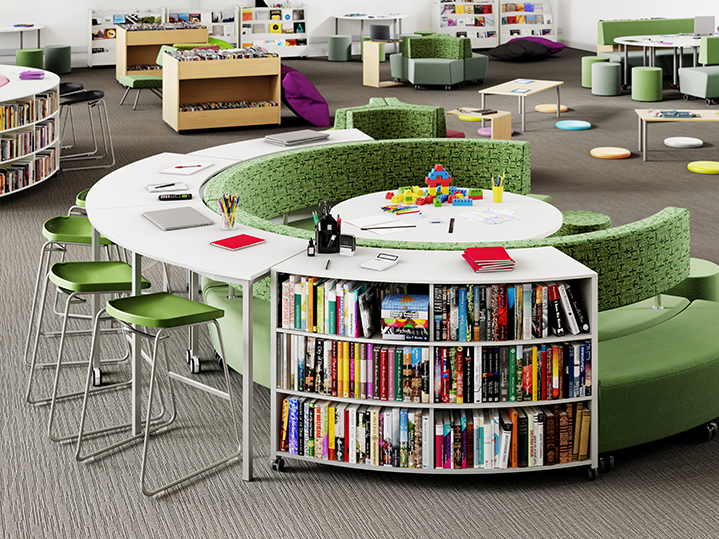
Many schools use collaborative tables or desk groupings to encourage teamwork and project-based learning.

Products like modular student tables and cluster desk systems make these layouts easier to implement in everyday classrooms.

Explore Sebel’s student desks and tables to support collaborative classroom design.

3. Ergonomic Student Seating

Student comfort plays a significant role in concentration and learning outcomes.

Ergonomically designed classroom chairs support healthy posture and reduce fatigue during long lessons.

The Postura Max Chair and Postura+ range are designed to support students of different age groups while maintaining durability in high-use environments.

4. Sustainable Furniture Solutions

Sustainability is becoming an important factor in school procurement.

Schools are increasingly considering furniture that supports environmental initiatives such as:

  • recyclable materials
  • recycled plastic components
  • longer product lifespans
  • take-back or recycling programs

Programs such as RePlay™, which transforms old classroom chairs into recycled furniture, help schools reduce landfill waste while maintaining durable seating solutions.

5. Technology-Ready Classrooms

Technology integration is shaping classroom furniture design.

Schools now require desks and tables that support:

  • laptops and tablets
  • collaborative digital work
  • technology-based learning environments

Flexible furniture layouts help classrooms adapt to evolving digital teaching tools.

Designing Classrooms for the Future

As education continues to evolve, classroom furniture must adapt alongside it.

Schools planning upgrades should consider how furniture can support:

  • flexible learning
  • student comfort
  • sustainability goals
  • collaborative teaching methods
  • long-term durability

Investing in future-ready furniture helps ensure classrooms remain effective for many years.

Supporting Modern Learning with Sebel

For over 75 years, Sebel has helped schools design practical and durable learning environments.

From Postura seating to Create-A-Space modular desks, Sebel furniture supports modern teaching styles and evolving classroom needs.

Explore the full education furniture collection to design future-ready classrooms.

Foxwell College

Want to Find Out More About the Future of Education

Related articles

More on furniture built to last.