This practical guide outlines what to look for when choosing ergonomic chairs, how to match seating to different learning areas, and why investing in ergonomics benefits both students and teachers.
Creating a supportive classroom environment starts with the furniture students use every day. With learners spending hours seated at desks, the right classroom chair can play a major role in comfort, posture, focus and long-term wellbeing.
Ergonomic classroom chairs are designed to support healthy sitting habits, reduce fatigue, and improve engagement - making them an essential consideration for Australian schools upgrading or designing learning spaces.
This practical guide outlines what to look for when choosing ergonomic chairs, how to match seating to different learning areas, and why investing in ergonomics benefits both students and teachers.
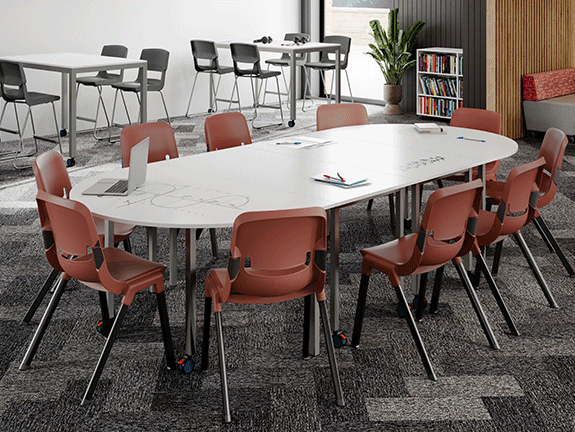
Classroom seating isn’t just about filling a room - it directly impacts how students learn and feel throughout the day.
Ergonomic chairs are designed to support the body’s natural posture, helping students sit comfortably while maintaining proper alignment.
Improved posture and spinal support
Reduces slouching and promotes healthier sitting habits.
Better concentration and learning outcomes
Comfortable students are less distracted and more engaged.
Reduced fatigue and restlessness
Supportive seating helps minimise fidgeting and discomfort.
Long-term student wellbeing
Encourages safe physical development during key growth years.
For modern classrooms, ergonomics is no longer a luxury - it’s part of creating effective learning environments.
Not all classroom chairs offer true ergonomic support. When evaluating seating options, focus on these essential features:
Students vary widely in height across year levels, and even within the same class. Adjustable chairs allow each student to sit correctly with:
Adjustability is especially valuable in shared or flexible learning spaces.
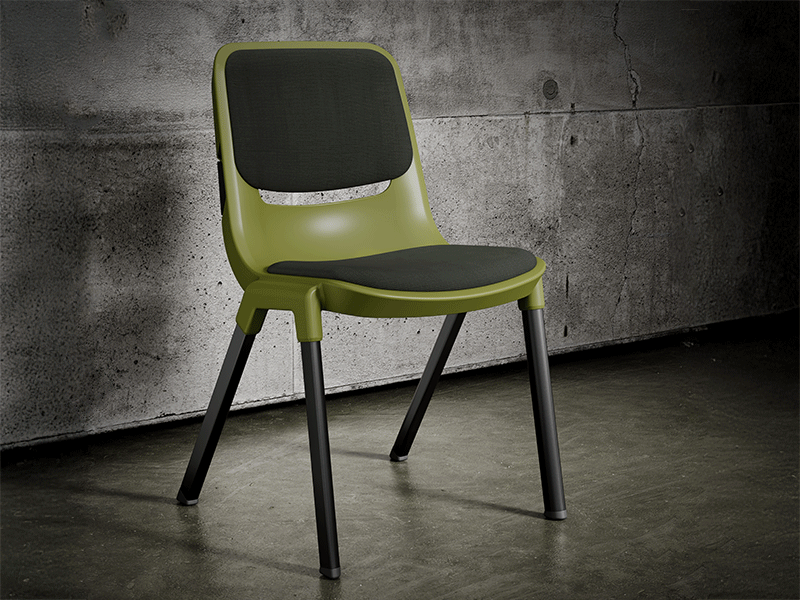
A good ergonomic chair should support the natural curve of the spine, particularly the lower back. Look for chairs with:
Back support helps students sit upright without strain
Classroom chairs must balance comfort with durability. The best seating options include:
Avoid overly soft seats, which can encourage poor posture over time.
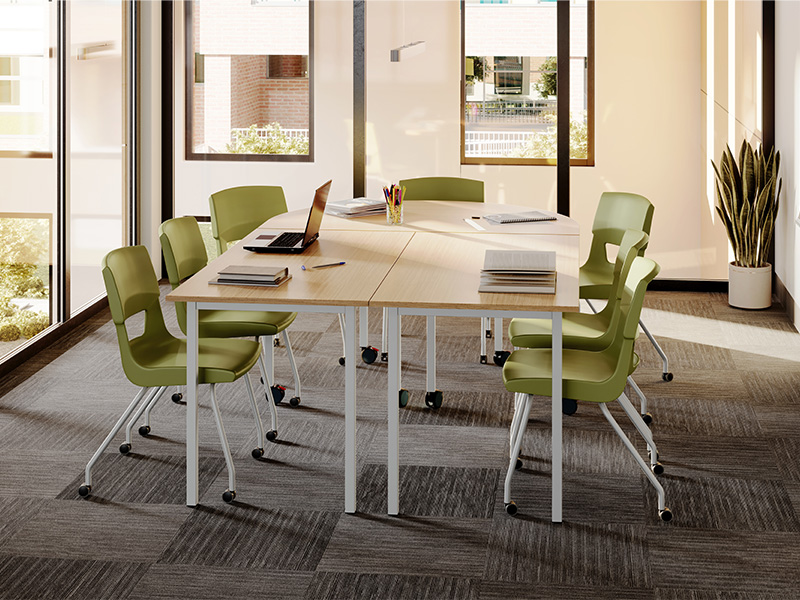
Modern schools often include a variety of learning environments, each with different seating needs.
Standard Classrooms
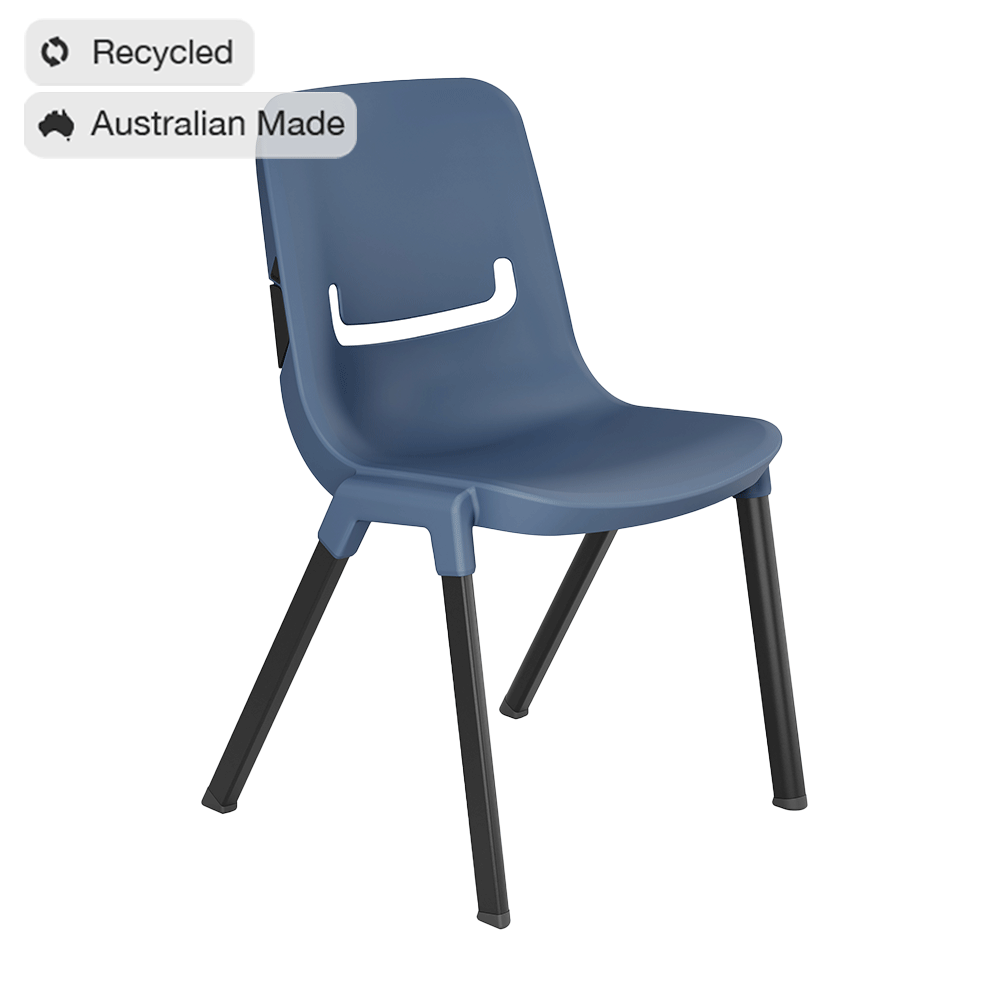
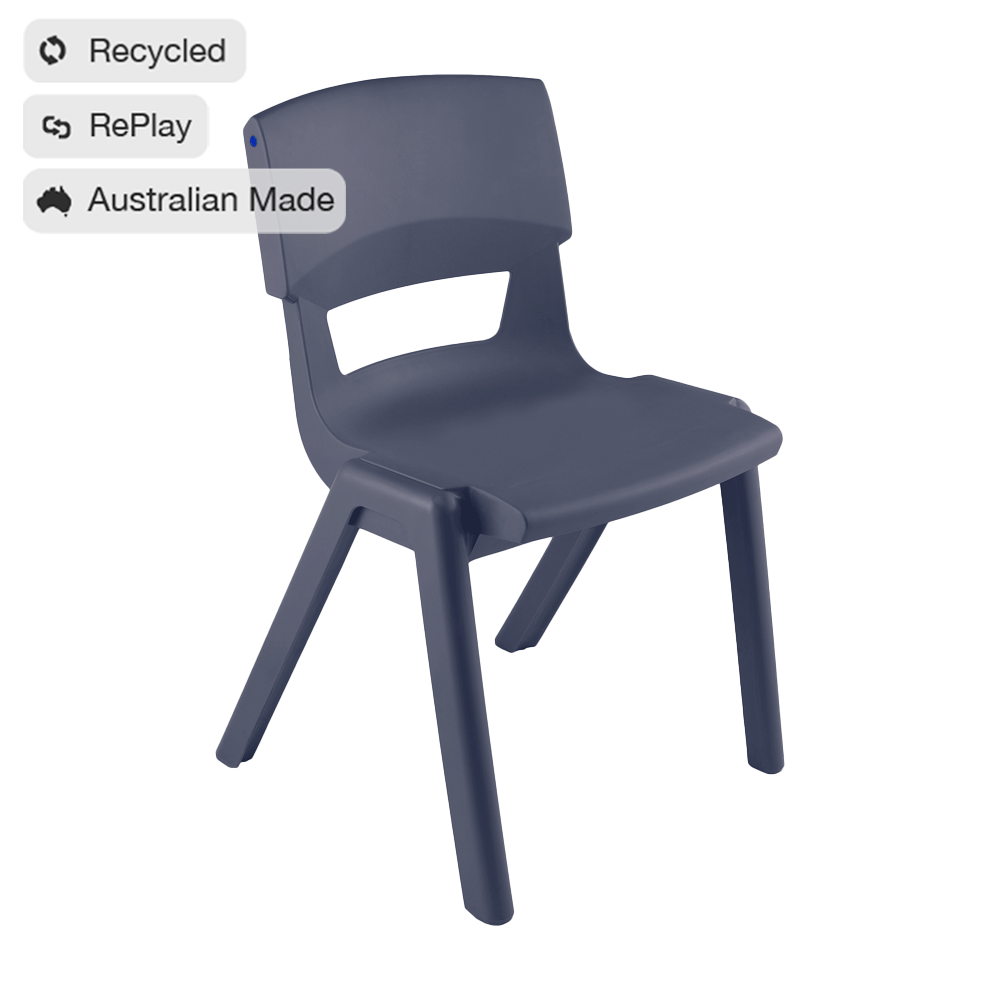
Choose ergonomic chairs that provide everyday support, adjustable height, and durability for regular desk-based learning.
STEM Rooms and Technology Labs
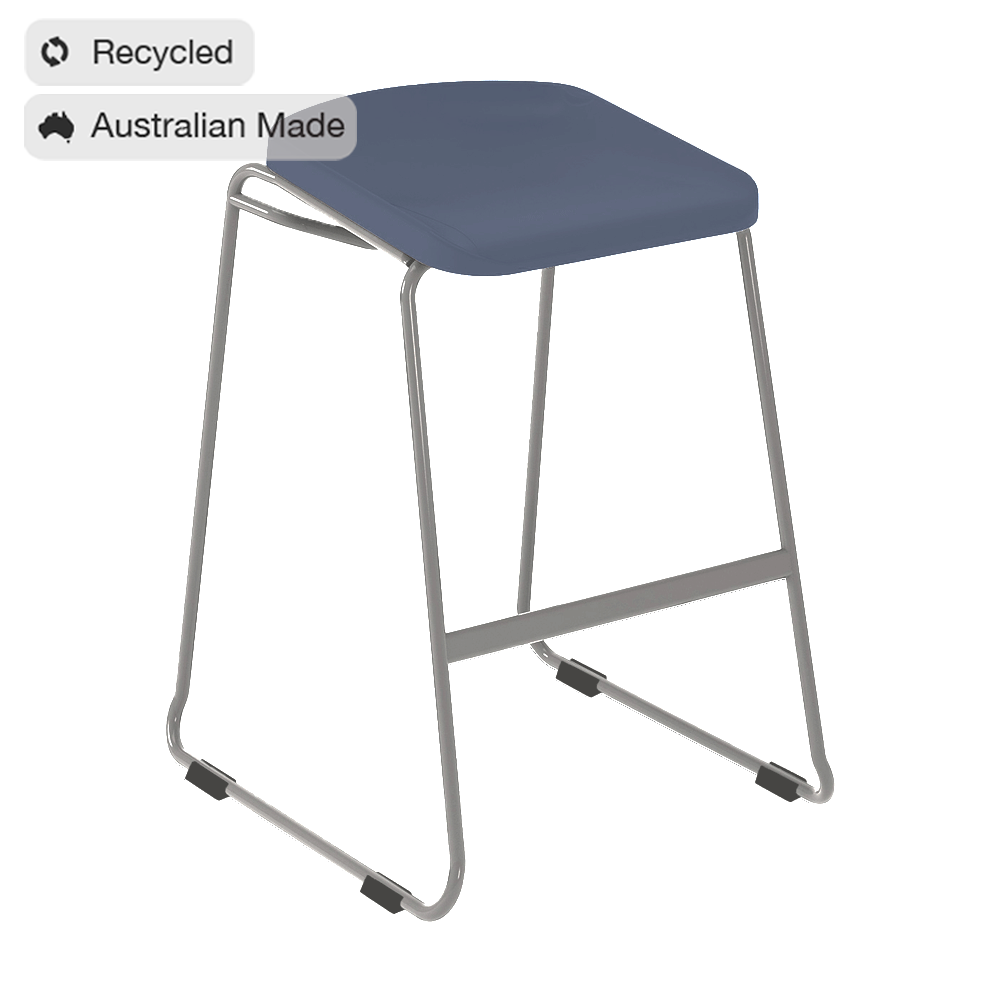
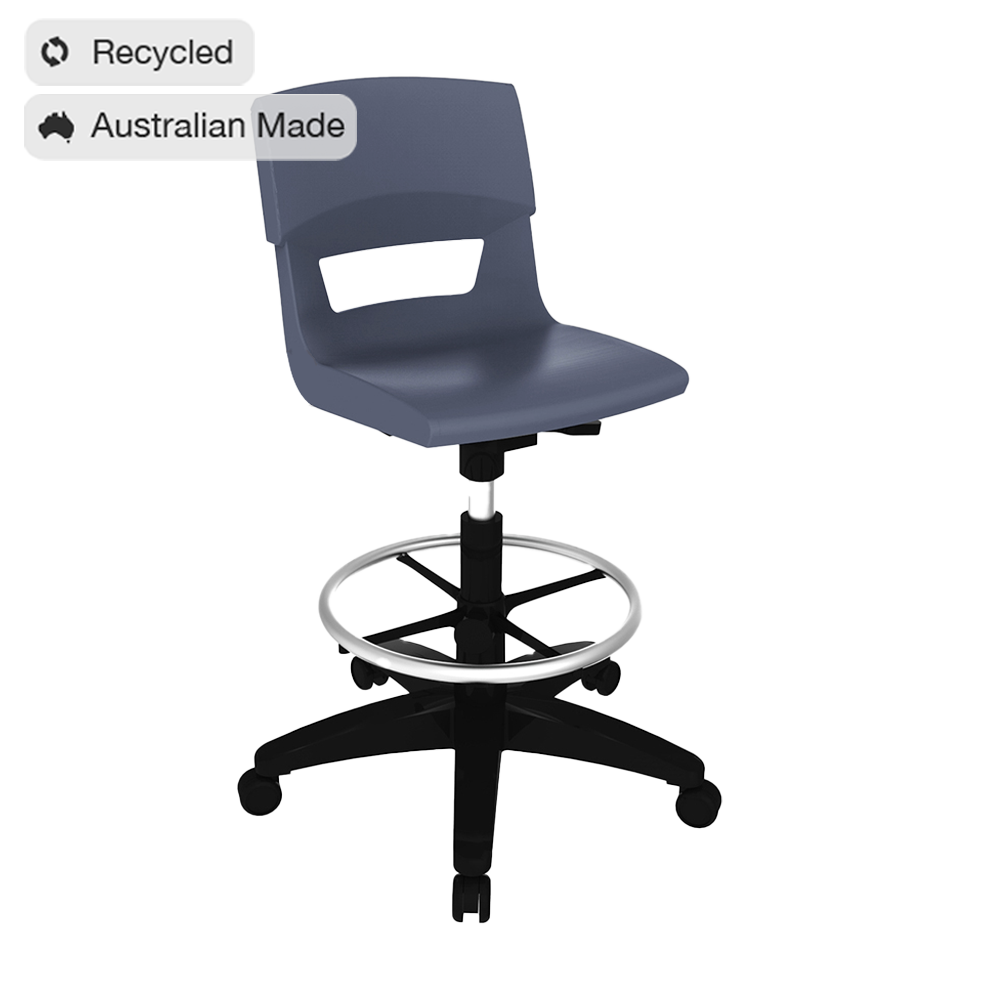
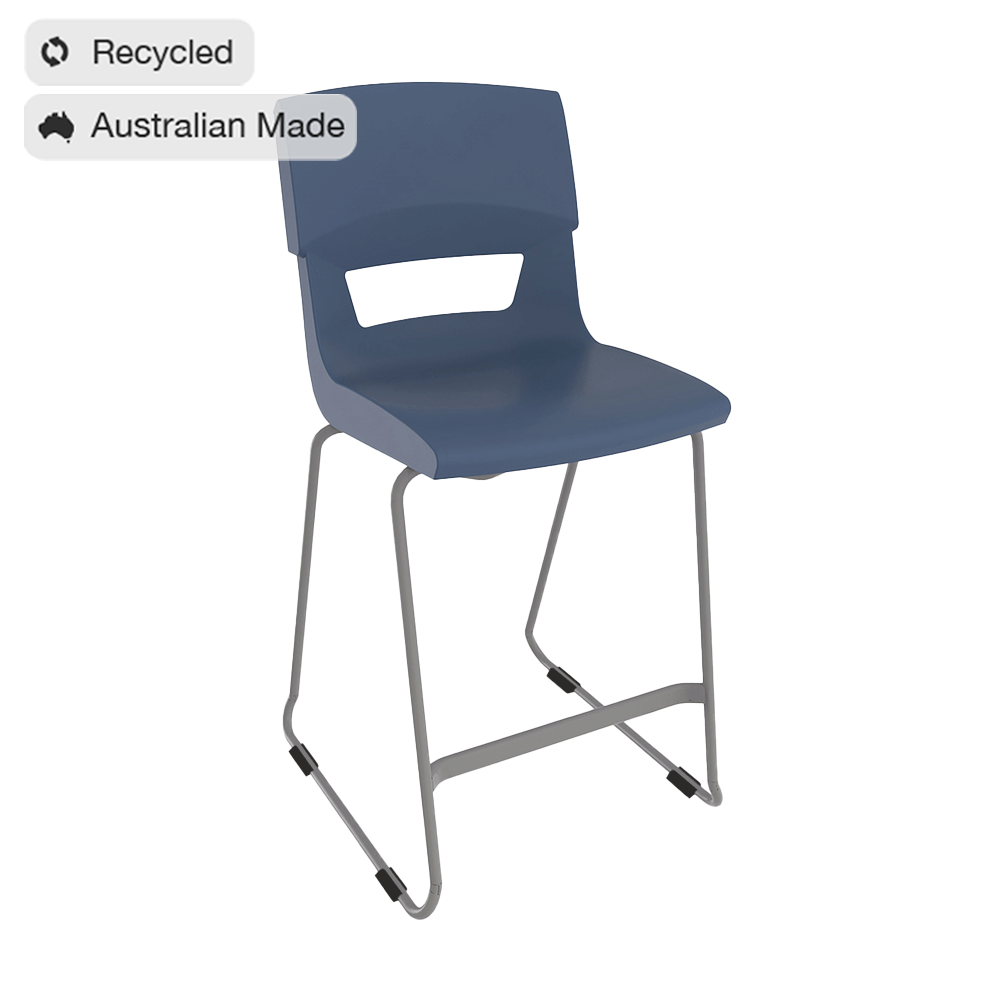
Look for chairs compatible with higher benches or specialised workstations, often requiring taller seating and foot support.
Libraries and Quiet Study Areas
Students sit for longer periods in these spaces, so comfort-focused ergonomic chairs with supportive backs are ideal.
Flexible Learning and Collaborative Zones
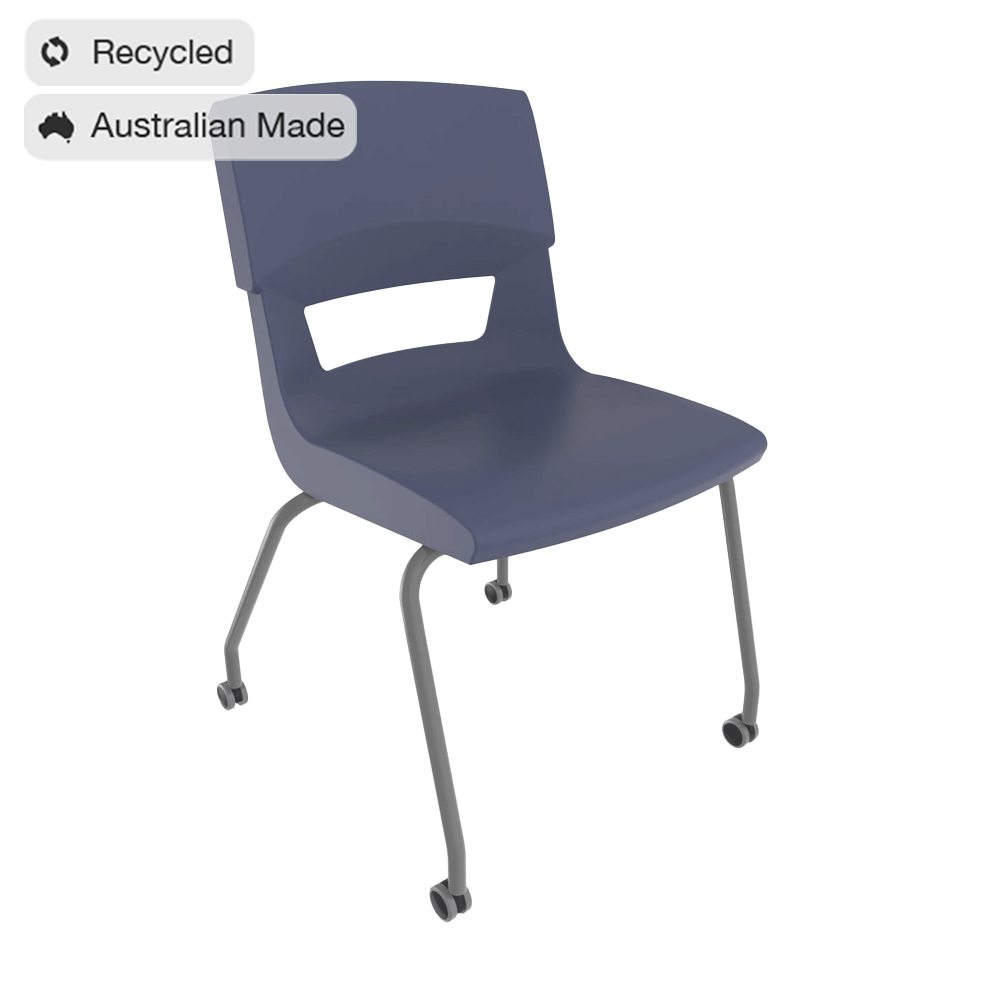
Lightweight, moveable ergonomic chairs support group work, reconfigurable layouts and active learning models.
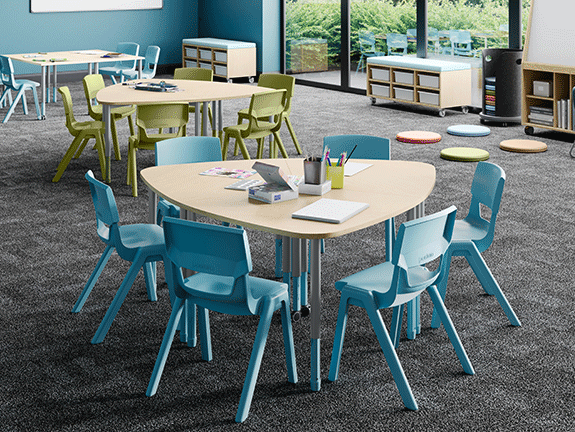
Ergonomic classroom chairs support more than comfort - they contribute to better learning outcomes, improved posture, and healthier classrooms overall.
When choosing seating, focus on:
Adjustability
Back support
Durability
Suitability for each learning space
The right chair helps students stay comfortable, engaged and ready to learn
Sebel Furniture works with Australian schools to provide seating solutions that support student wellbeing, meet education standards and suit modern learning environments.
Explore our classroom chair range or contact our team for tailored advice.