You are currently on the Australian website
Welcome to Sebel — If you are outside of Australia, we recommend changing your region below for the most suitable content.
or
Change region
-

RePlay™: How Recycled Furniture Is Shaping Future Classrooms

  • News
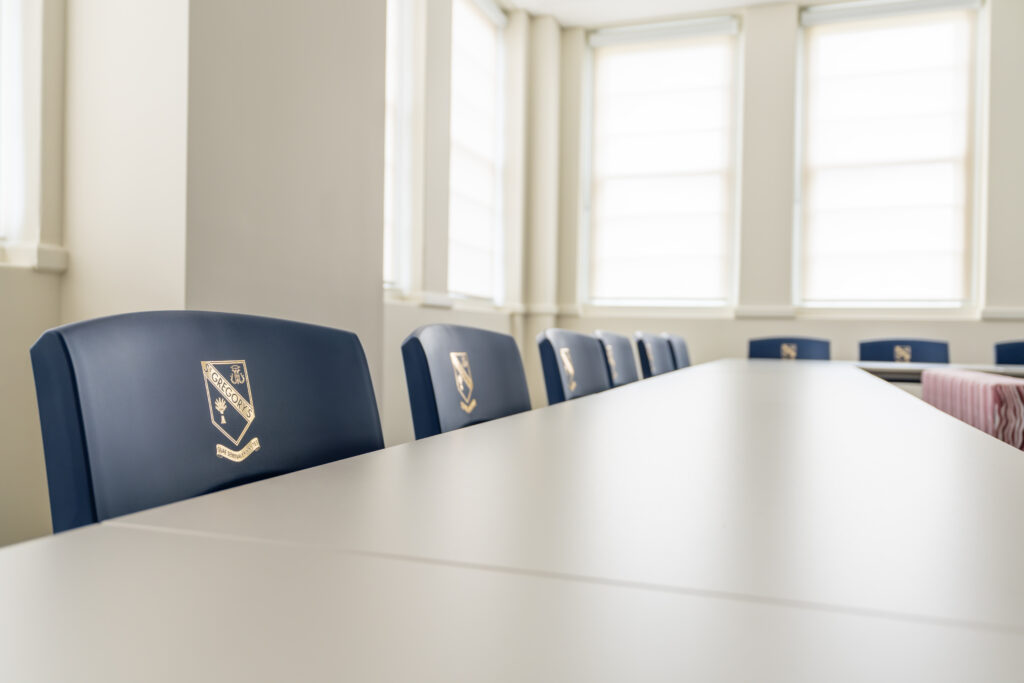
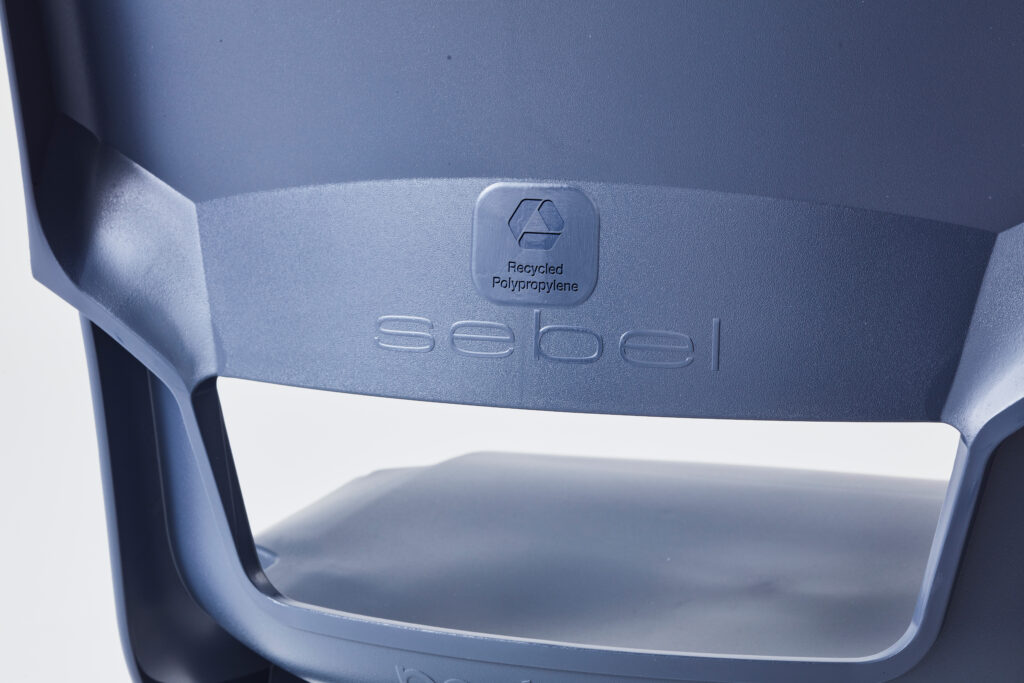
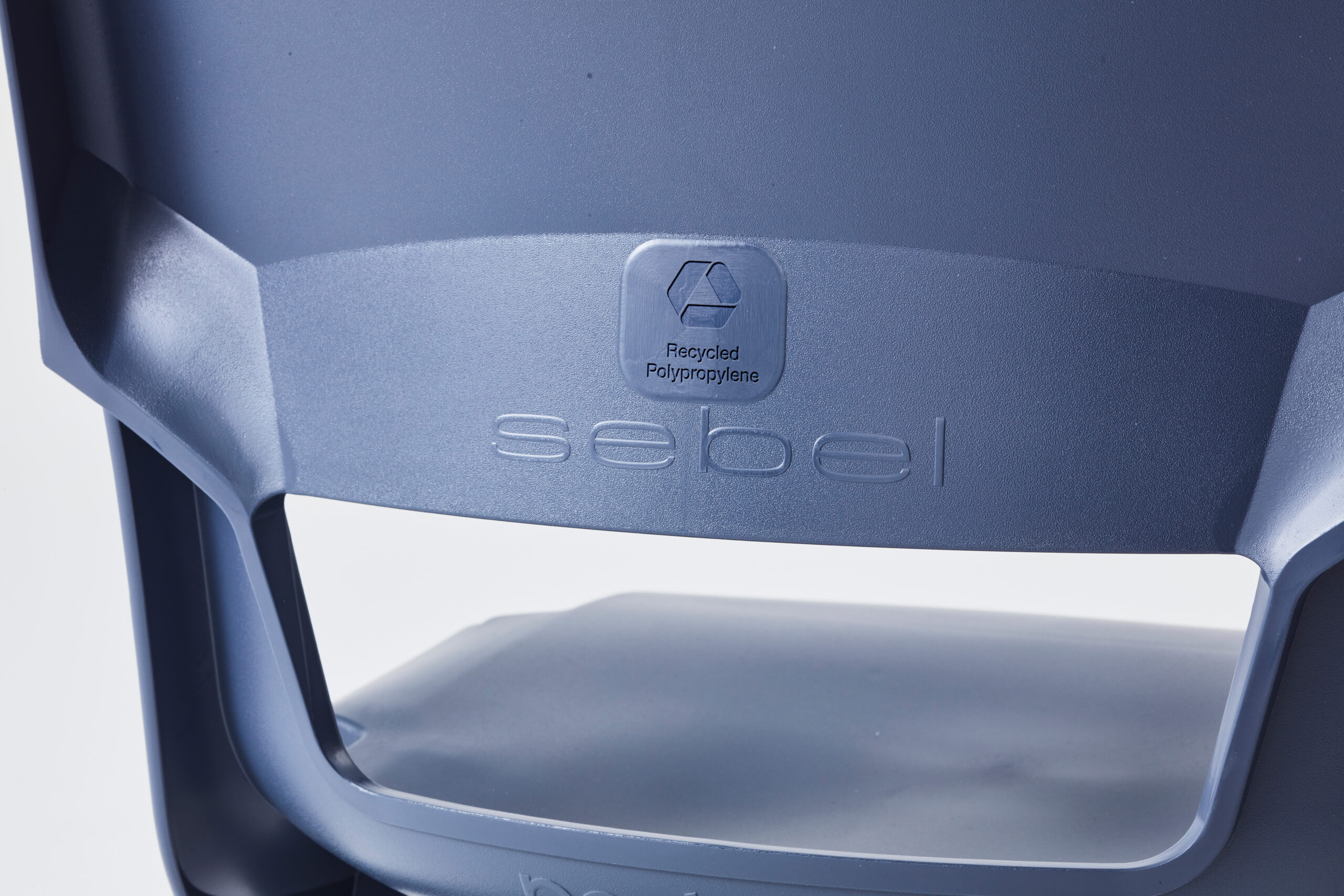
Sebel recycled hot stamp

Share this article

RePlay™: How Recycled Furniture Is Shaping Future Classrooms

Sustainability is becoming a core priority for Australian schools. From reducing waste to meeting environmental procurement standards, education leaders are looking for practical ways to create more responsible learning environments.

One powerful solution lies in an unexpected place – classroom chairs.

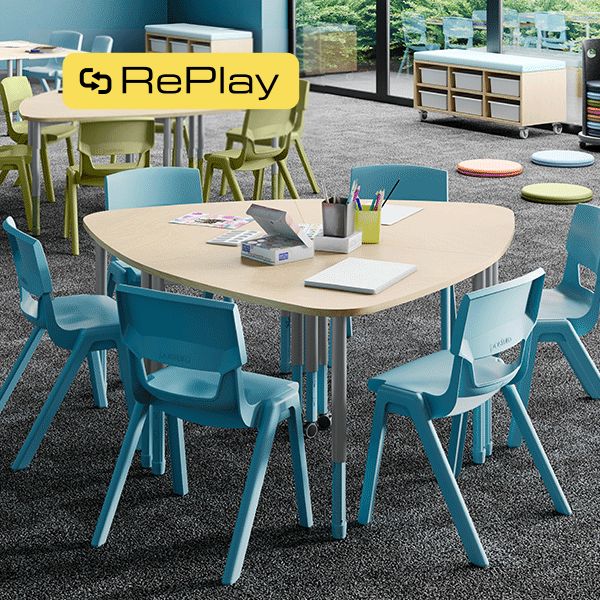
Sebel’s RePlay™ program is transforming end-of-life classroom furniture into new, durable products, helping schools reduce landfill waste while investing in high-quality education seating. In this article, we explore how recycled furniture supports future-focused classrooms, why circular manufacturing matters, and how schools can make more sustainable procurement decisions.
In this article

The New Age of Responsible Seating

What Is RePlay™?

RePlay™ is Sebel’s closed-loop recycling initiative designed specifically for education environments.

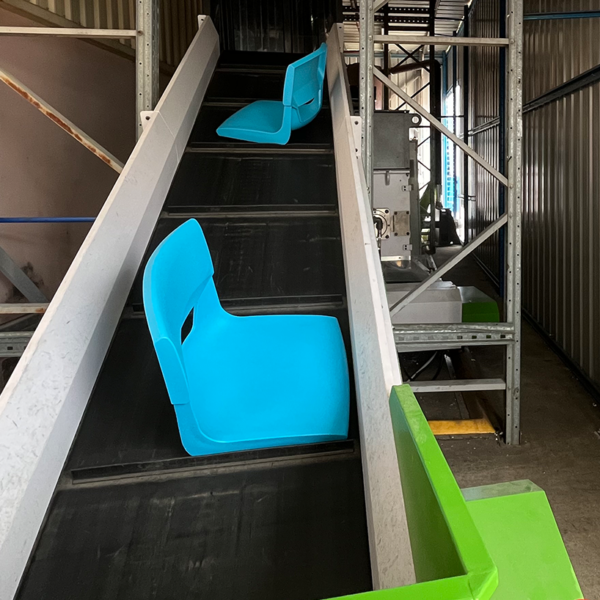
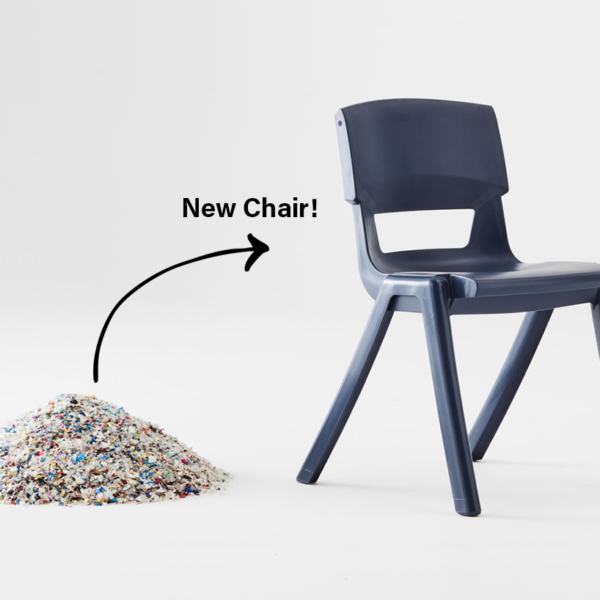
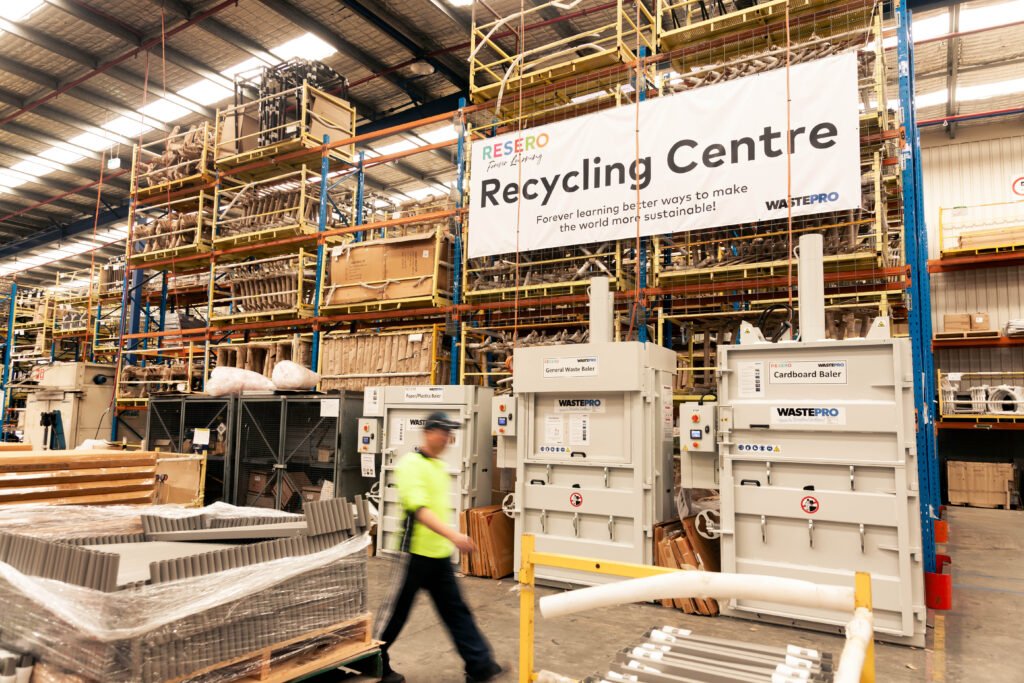
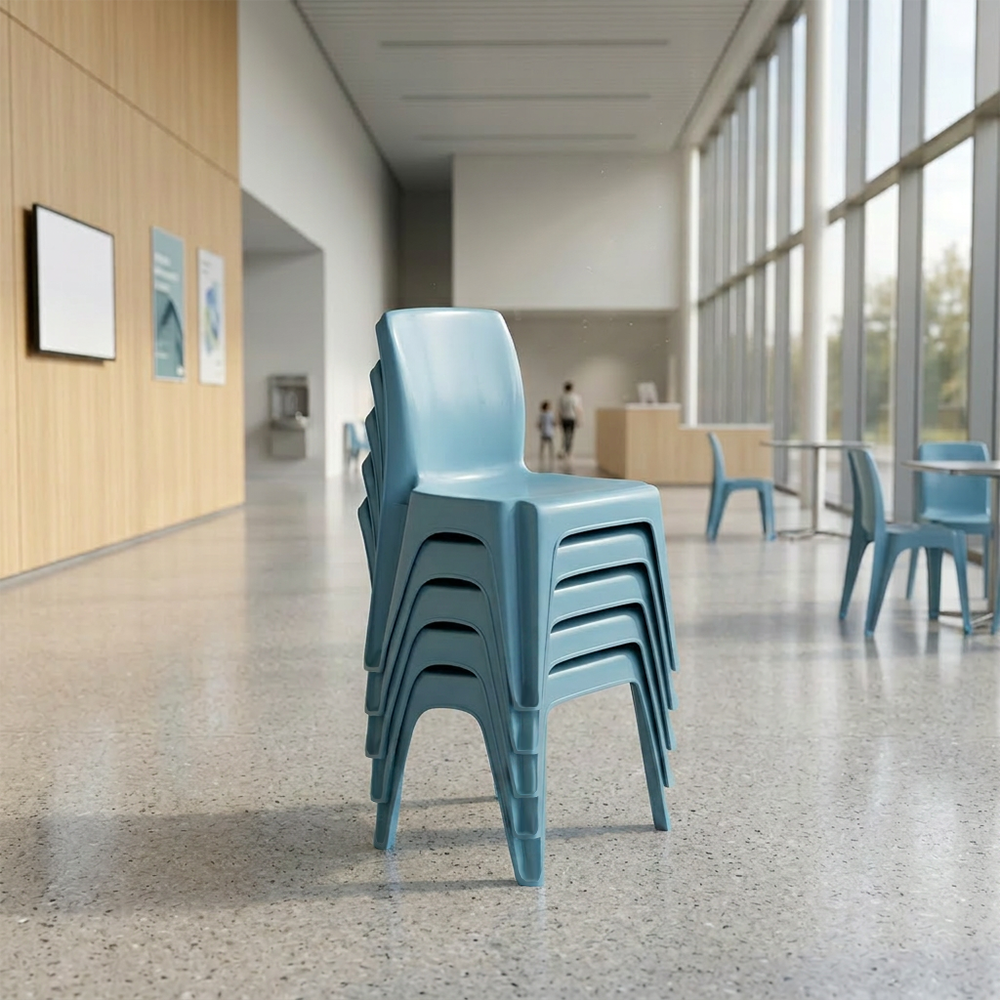
Instead of sending damaged or end-of-life plastic chairs to landfill, eligible Sebel chairs can be returned and reprocessed into recycled material. That material is then used to manufacture new classroom furniture – reducing waste and extending the life cycle of resources.

This approach supports circular economy principles by:

  • Diverting plastic waste from landfill
  • Reusing valuable materials
  • Reducing demand for virgin plastic
  • Supporting responsible school procurement practices

RePlay™ helps schools turn yesterday’s furniture into tomorrow’s learning solutions.

Why Sustainable Furniture Matters in Schools

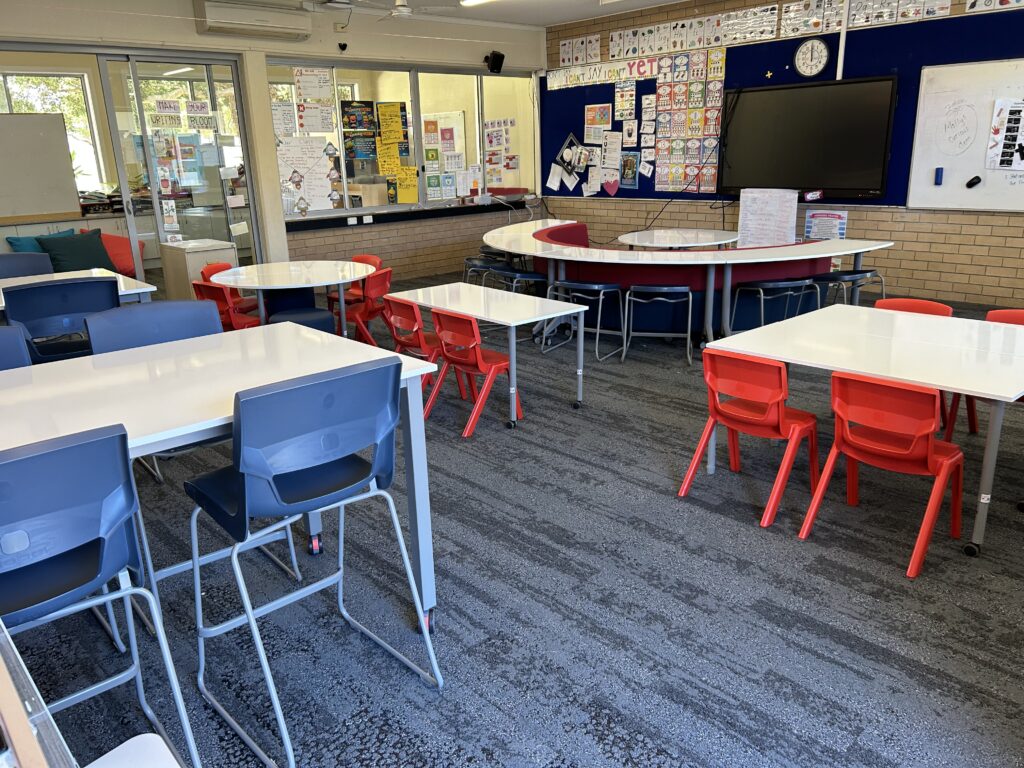
Educational facilities are high-use environments. Furniture must be durable, safe and long-lasting – but it should also align with growing sustainability expectations.

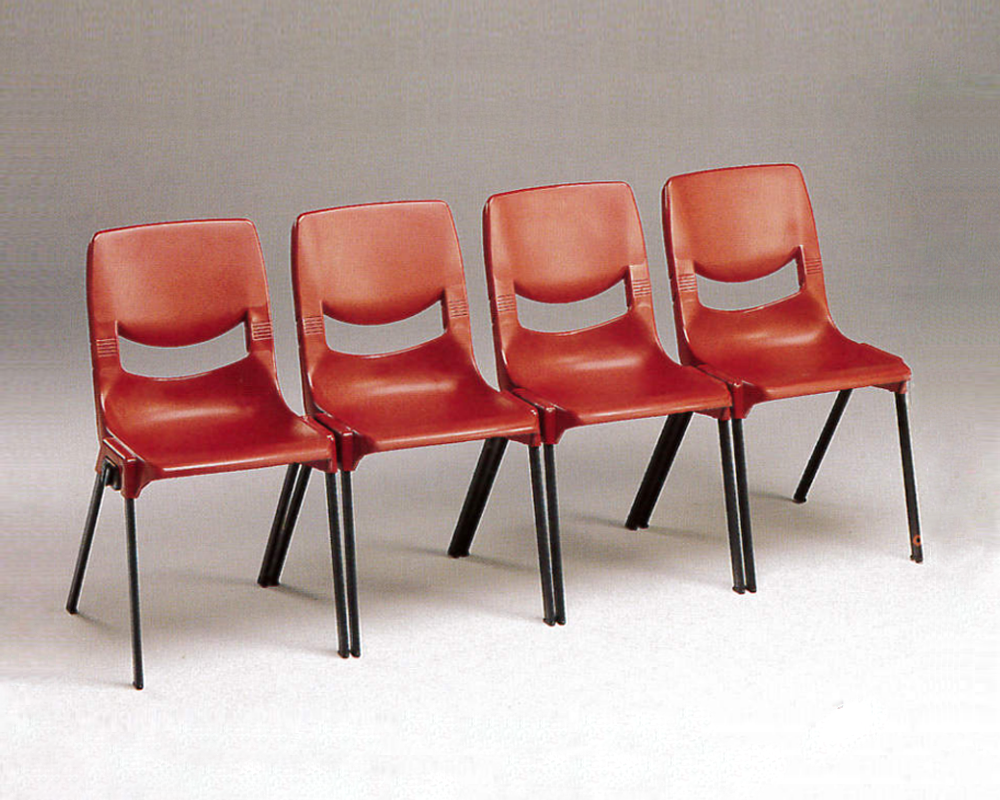
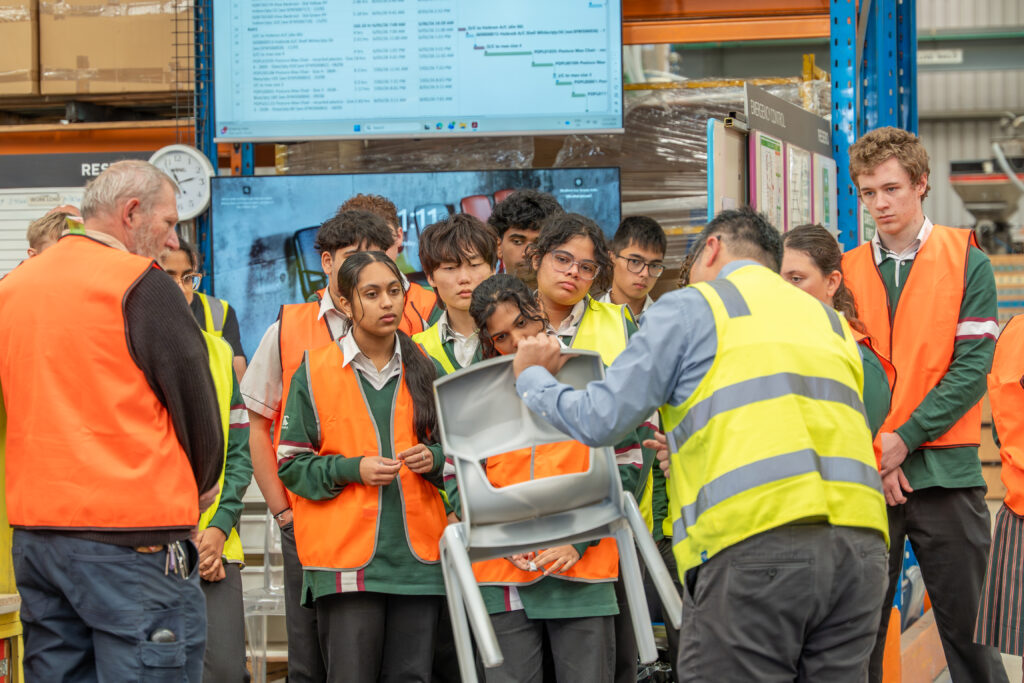
“we had [Sebel] furniture that had been in the classrooms for over 30 years and when we were given the opportunity to recycle that we were pretty excited”
— Matthew Brennan, St Gregory’s College Principal

How Recycled Furniture Supports the Circular Economy

Traditional furniture manufacturing follows a linear model: produce, use, dispose. RePlay™ shifts this model toward a circular system, where materials are recovered and reintroduced into production.

This reduces:

  • Landfill waste
  • Resource extraction
  • Overall environmental footprint

By manufacturing recycled furniture in-house, Sebel maintains strict quality control – ensuring recycled products remain strong, safe and suitable for Australian education settings. Sustainability does not mean compromising on durability or performance.

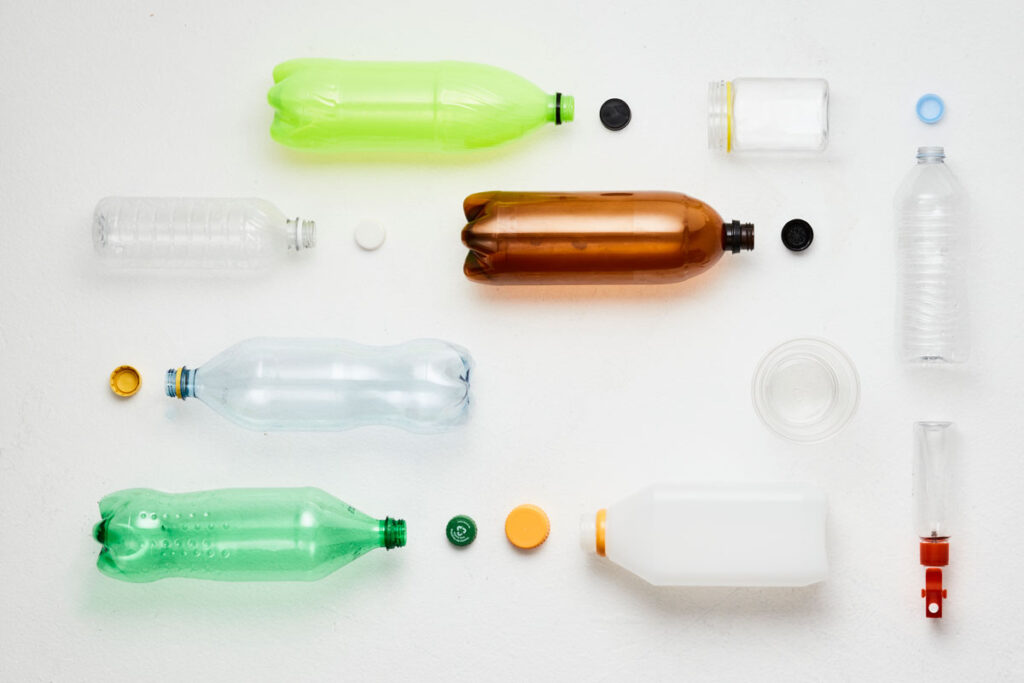
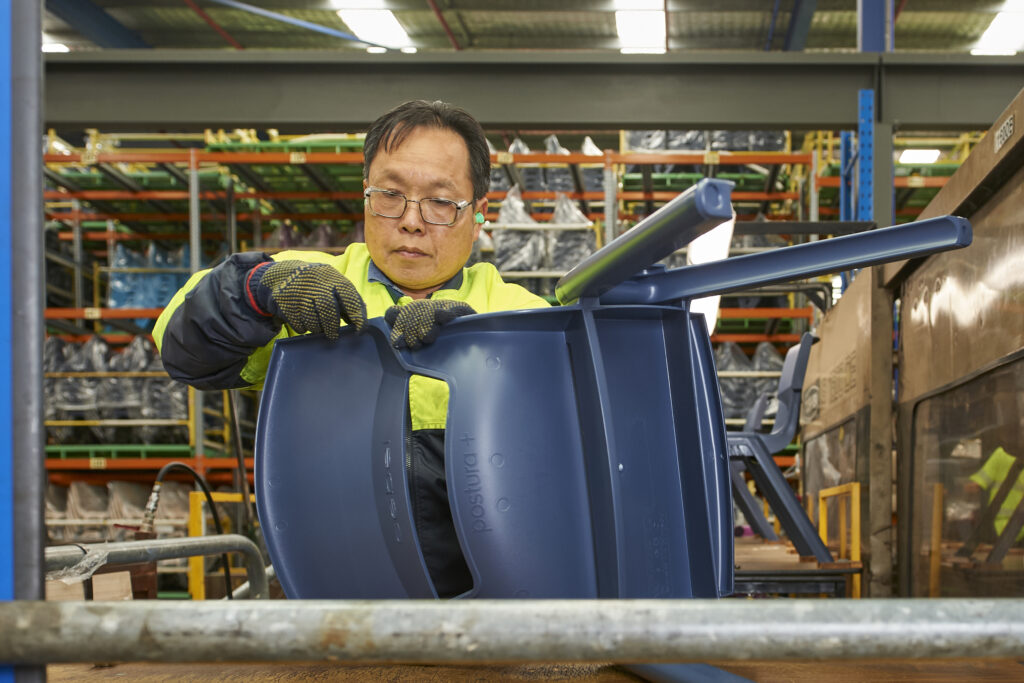
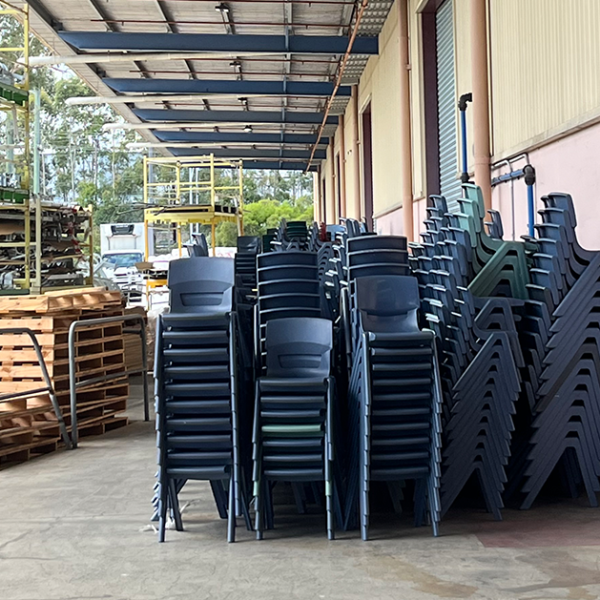
Replay - Plastic Waste for recycling
Over 460 tonnes of plastic waste would be diverted from landfill annually if all our Postura chairs were returned through the RePlay program.

The Benefits of RePlay™ for Australian Schools

1. Durable, Education-Grade Performance

Recycled furniture produced through RePlay™ maintains the same structural integrity and commercial-grade durability Sebel is known for. Schools receive long-lasting seating solutions designed for daily classroom use.

2. Practical End-of-Life Solutions

Managing outdated or damaged classroom chairs can be challenging. RePlay™ offers schools a responsible alternative to disposal, helping reduce waste management burdens.

3. Aligning with Sustainability Policies

Participating in a recycling initiative supports:

  • School sustainability frameworks
  • ESG commitments
  • Community environmental initiatives
  • Responsible purchasing policies

4. Supporting Future-Focused Learning Environments

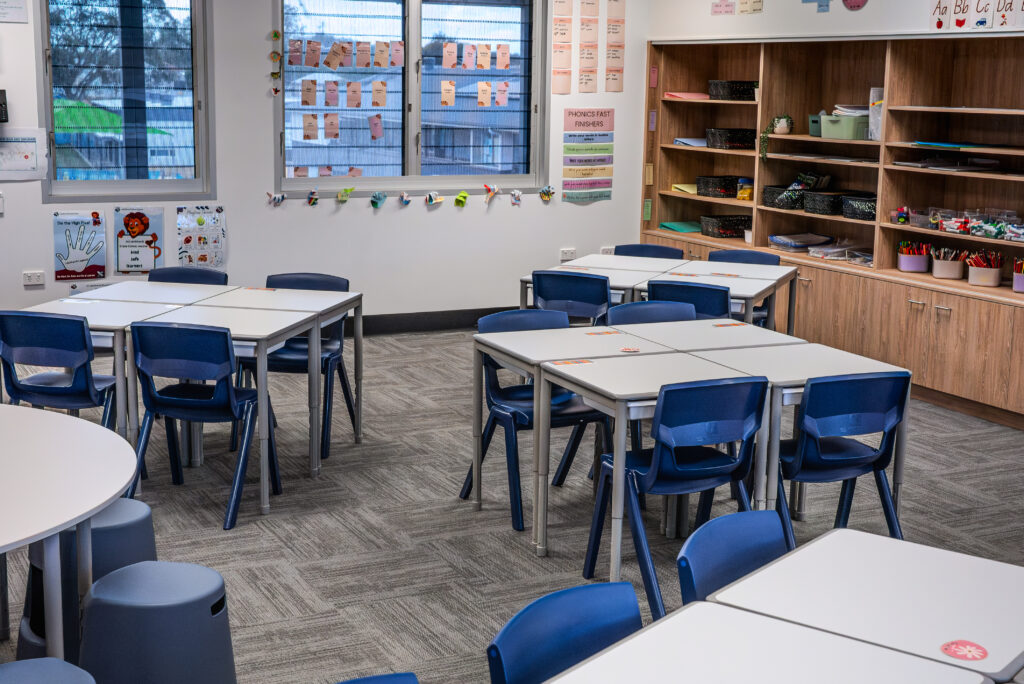
Modern classrooms are evolving — and sustainability is part of that evolution. Recycled furniture helps schools create learning spaces that reflect forward-thinking values.

Sustainability Beyond RePlay™

RePlay™ is part of Sebel’s broader commitment to environmentally responsible manufacturing.

Sebel focuses on:

  • Designing long-lasting education furniture
  • Reducing production waste
  • Improving material efficiency
  • Supporting Australian schools with durable, compliant products

By combining durability with recyclability, Sebel helps schools make long-term investments that reduce environmental impact over time.