You are currently on the Australian website
Welcome to Sebel — If you are outside of Australia, we recommend changing your region below for the most suitable content.
or
Change region
-

How to Create Collaborative Learning Spaces with School Furniture

  • News
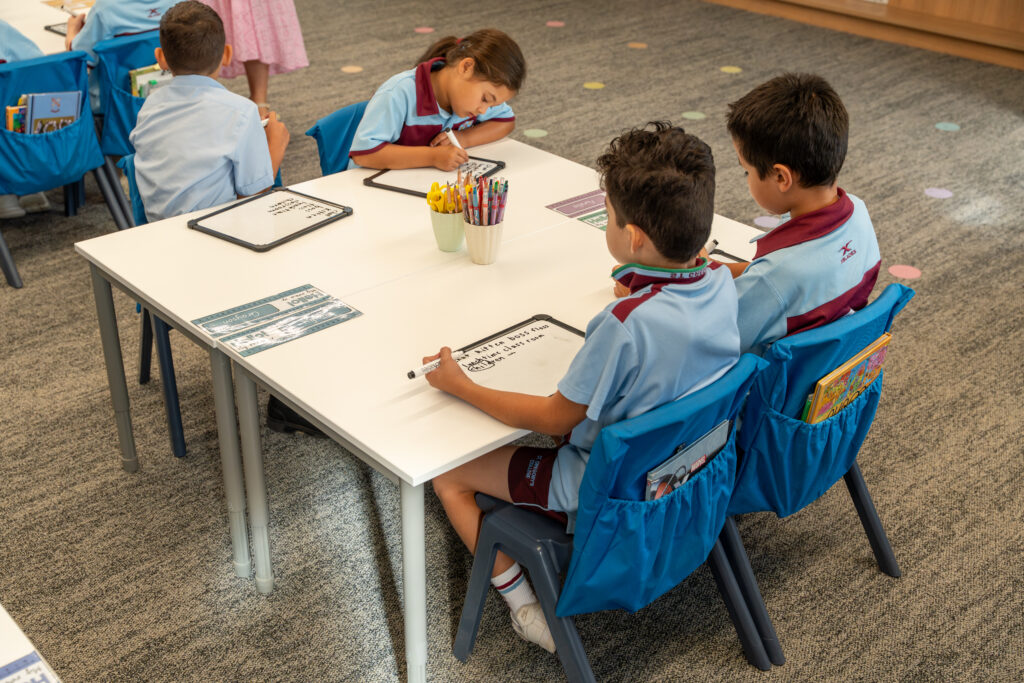
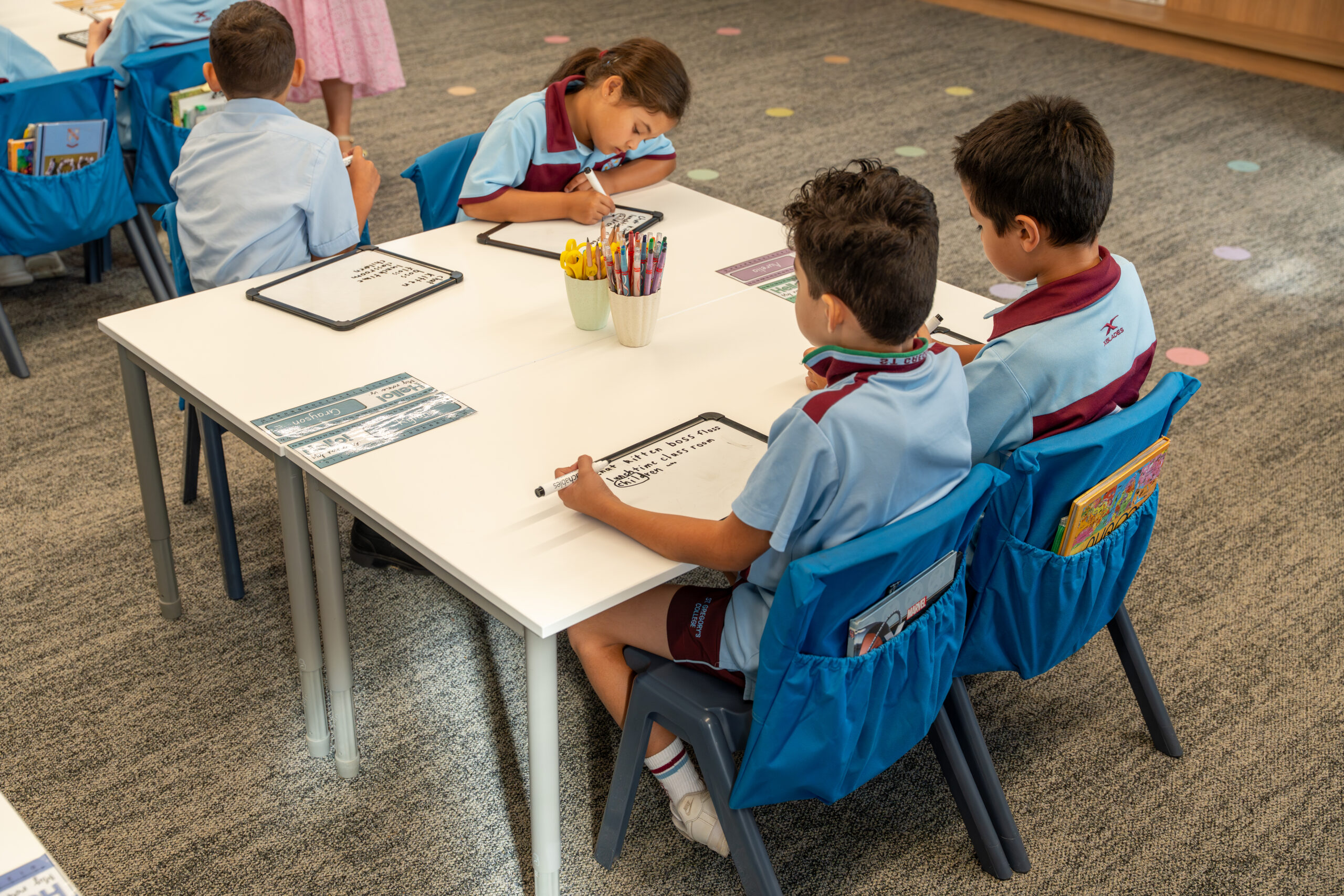
St Gregory's Junior School Twist n Lock Tables Collaboration

Share this article

How to Create Collaborative Learning Spaces with School Furniture

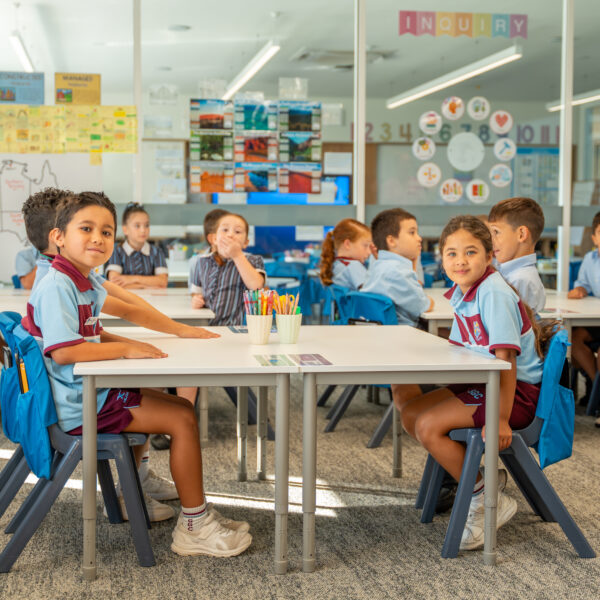
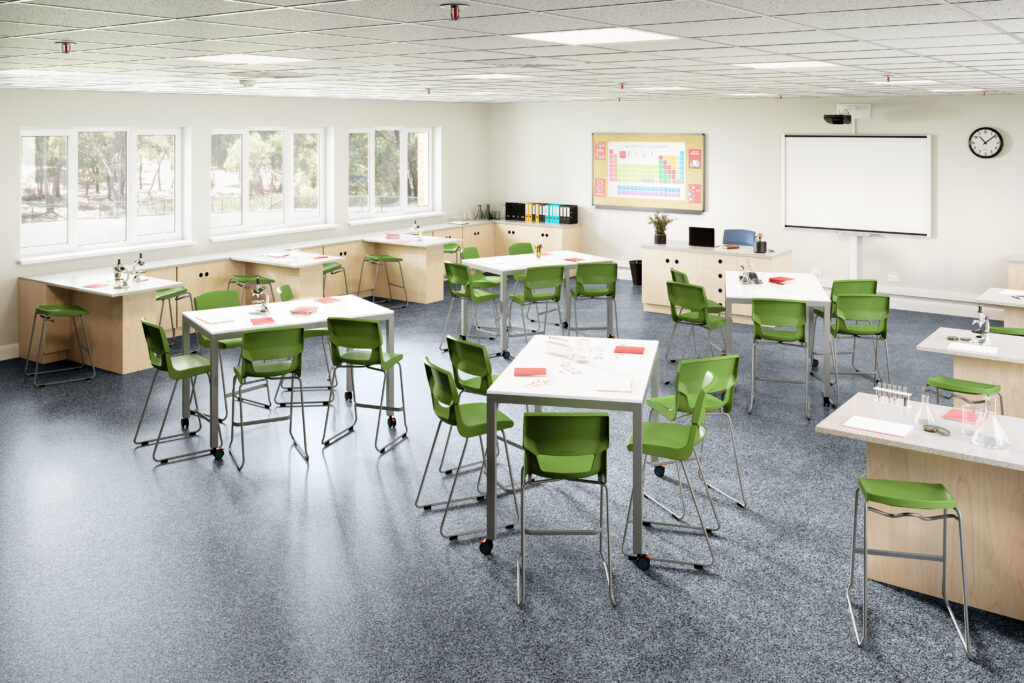
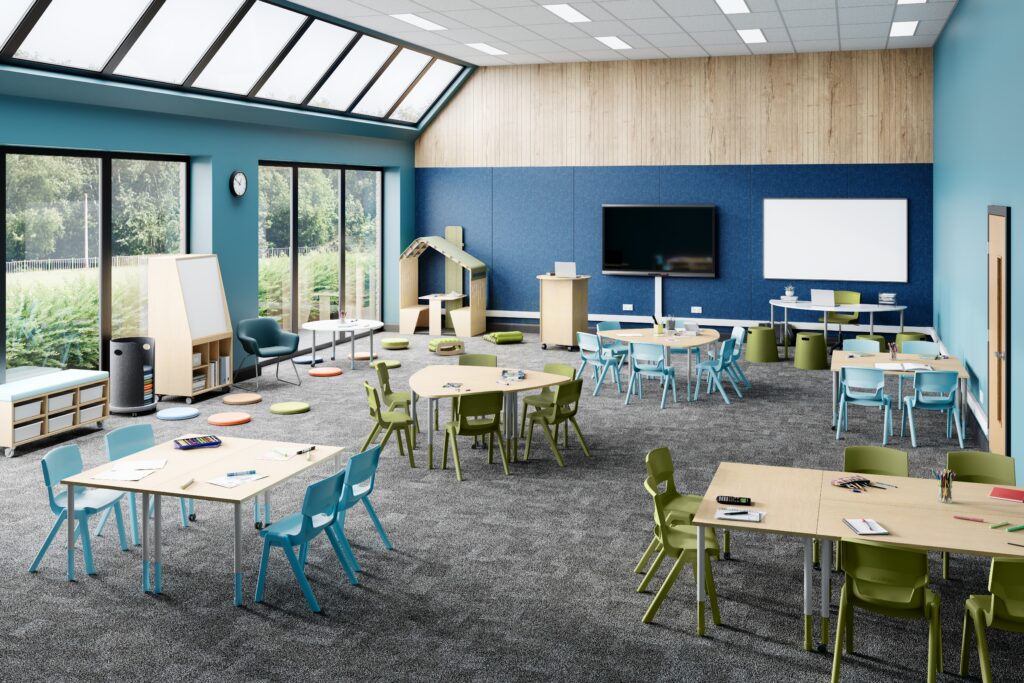
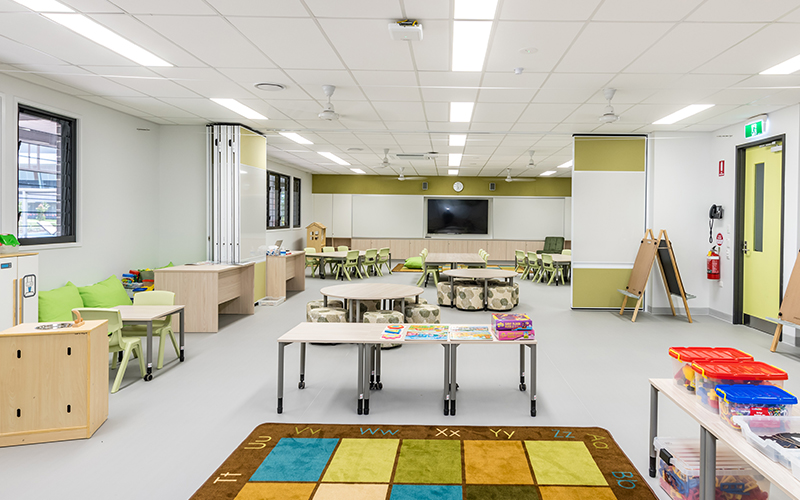
Modern classrooms are no longer designed around rows of desks facing a whiteboard. As teaching shifts toward group work, project-based learning and student-led discussion, the furniture that fills a classroom plays a central role in how well that learning happens.

A well-designed collaborative learning space allows teachers to shift between whole-class instruction, small group activities and independent focus — without disruption or wasted time. The right furniture makes those transitions seamless.
Why Flexible Furniture Matters

Collaborative learning spaces need to respond quickly to changing lesson formats. When furniture is difficult to move or reconfigure, teachers work around it rather than with it.

Furniture that is mobile, durable and simple to rearrange supports:

  • Fast transitions between teaching modes
  • Student-led group formation
  • Calm, organised classroom environments
  • Engagement across different learning styles

Choosing flexible classroom furniture from the outset means teachers spend less time managing the room and more time focused on the lesson.

What to Look for in Collaborative Classroom Furniture

Choosing the Right Products for Collaborative Spaces

Good furniture becomes part of the learning toolkit. It’s a tool for engagement – helping students work together, think independently, move between activities and feel supported as they learn.

When selecting products, the question becomes less ‘what looks good?’ and more ‘what helps the lesson work?’

That’s why Sebel designs products with adaptability at the core. Our tables, chairs and breakout furniture respond to real classroom needs, helping teachers create learning modes as the lesson evolves.

Tables

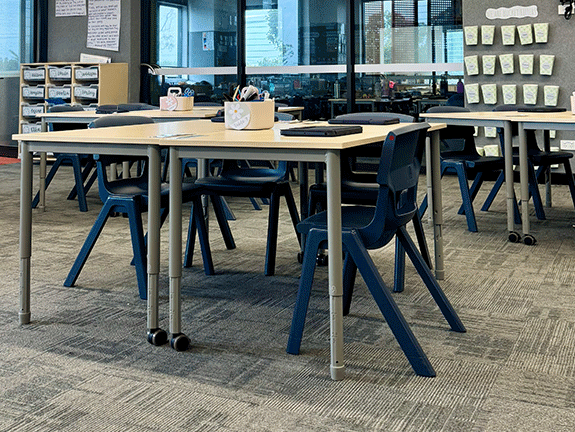
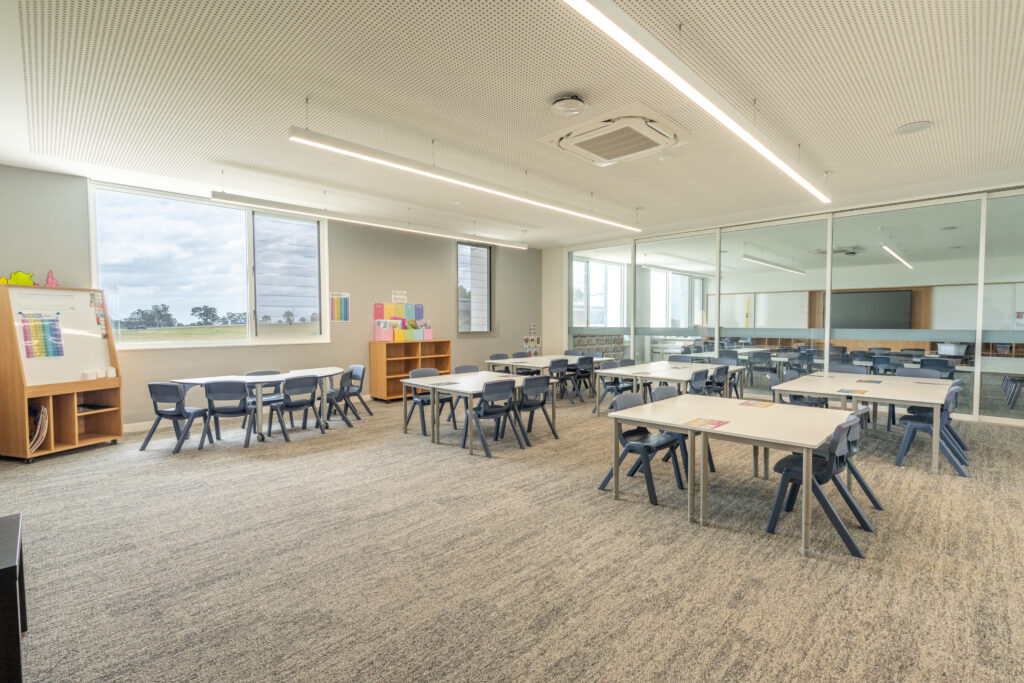
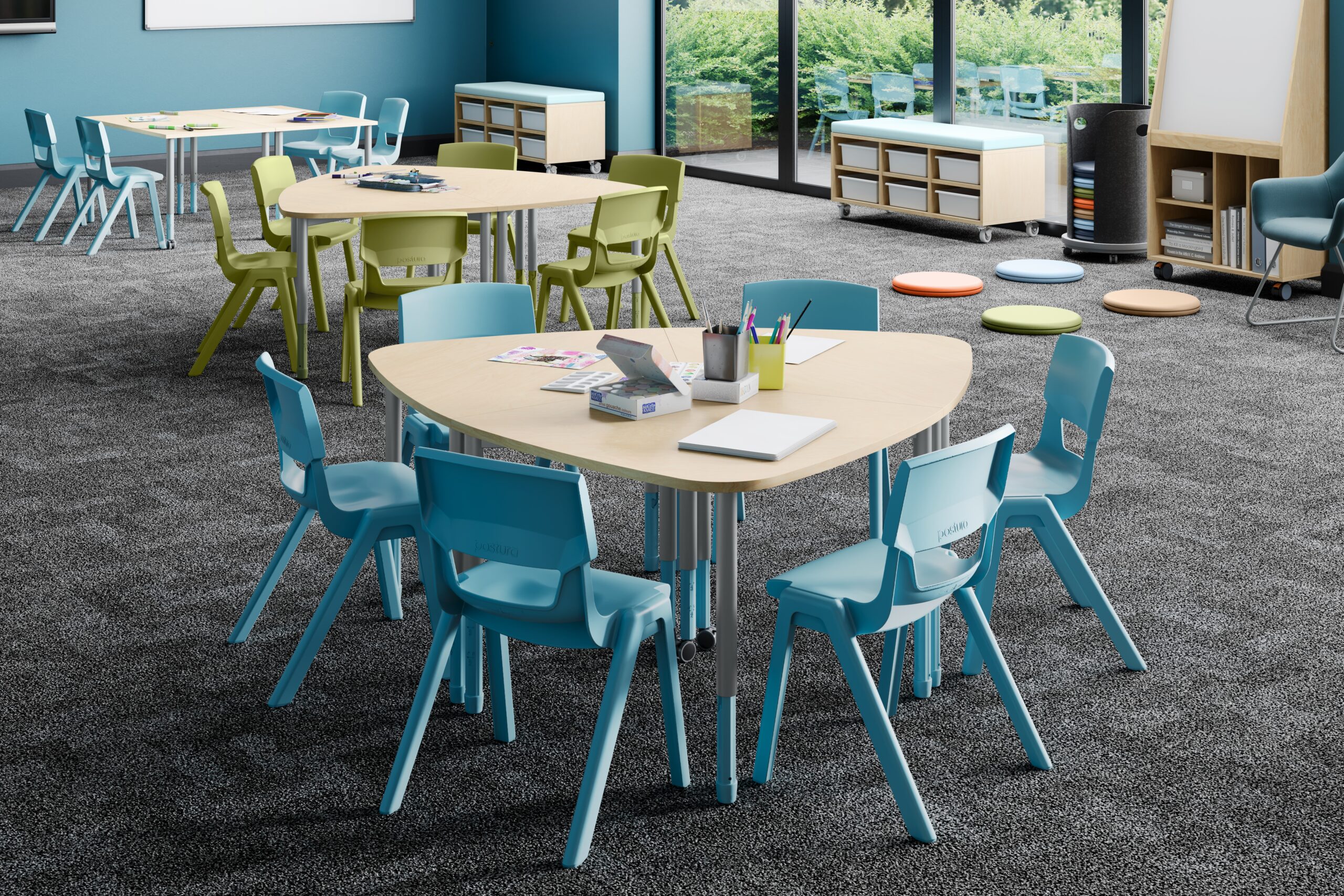
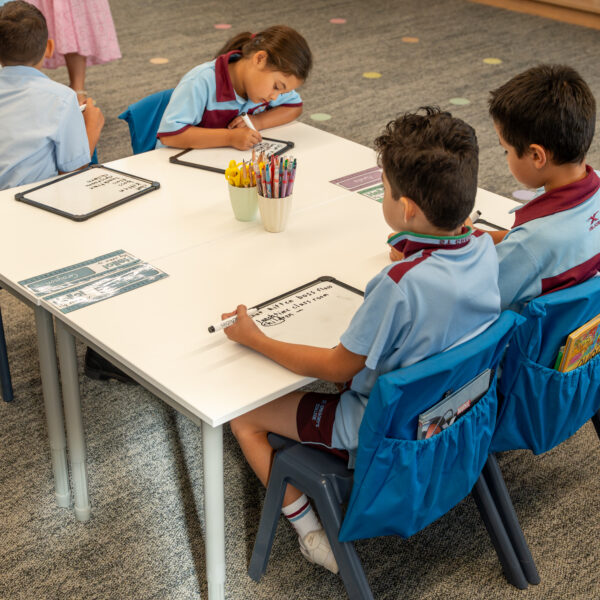
  • The Twist’n’Lock™ table system is designed specifically for flexible and active learning. With lockable castor mobility, adjustable height settings, writable surface options and multiple shapes and sizes, it gives teachers the tools to build different collaborative layouts as lessons evolve.
  • The Create-A-Table Double is another option for schools looking to maximise floor space while supporting group configurations.

Stackable Chairs

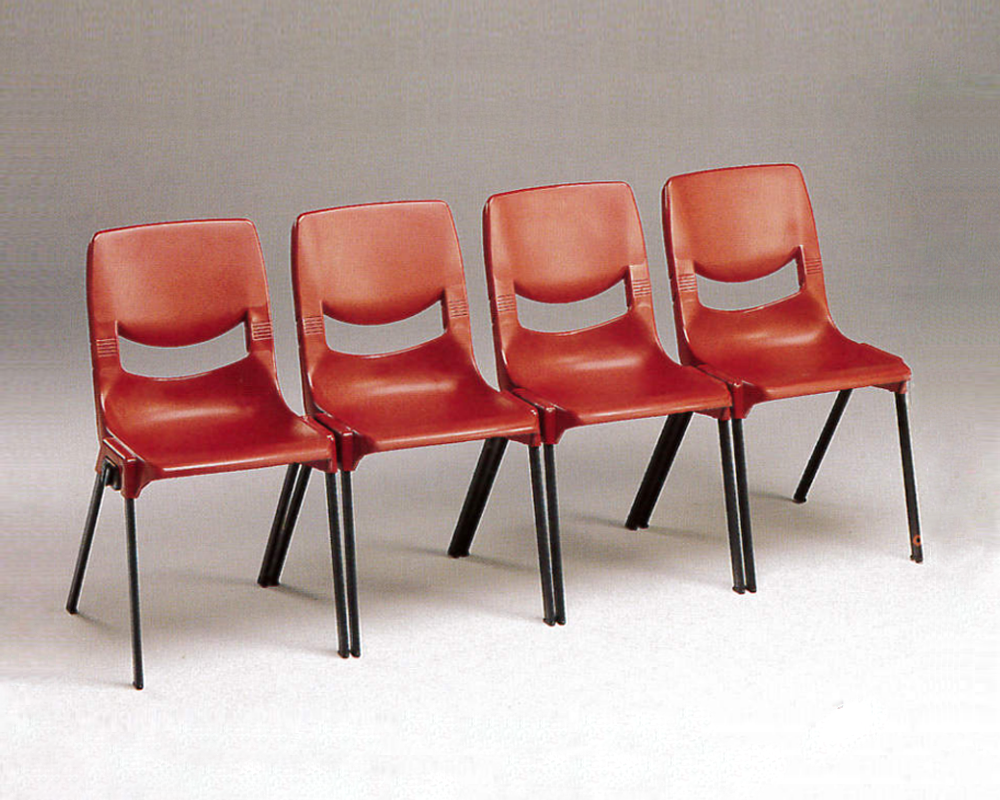
Chairs that are lightweight, stackable and ergonomically designed help students transition between activities without disrupting the class. Options include:

  • Postura® Max Chair — ergonomic, stackable and suitable for secondary students
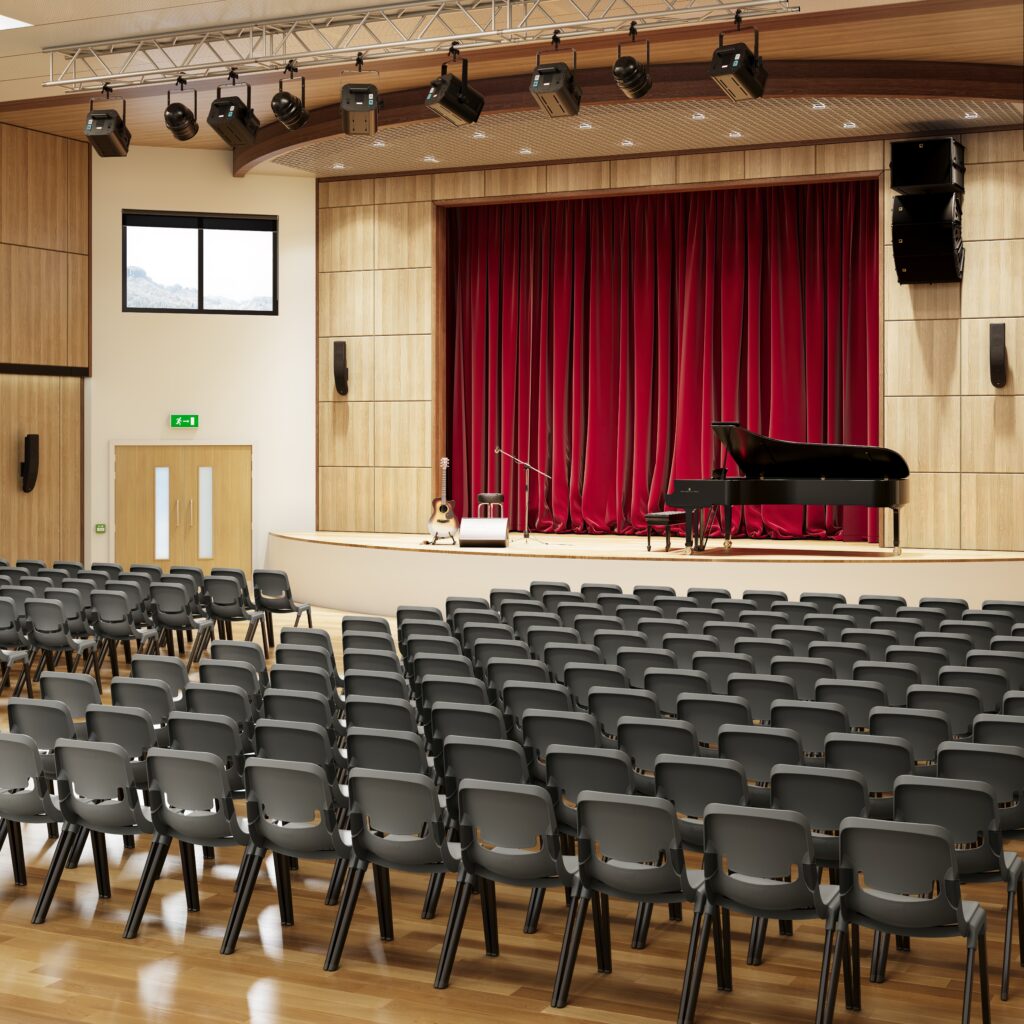
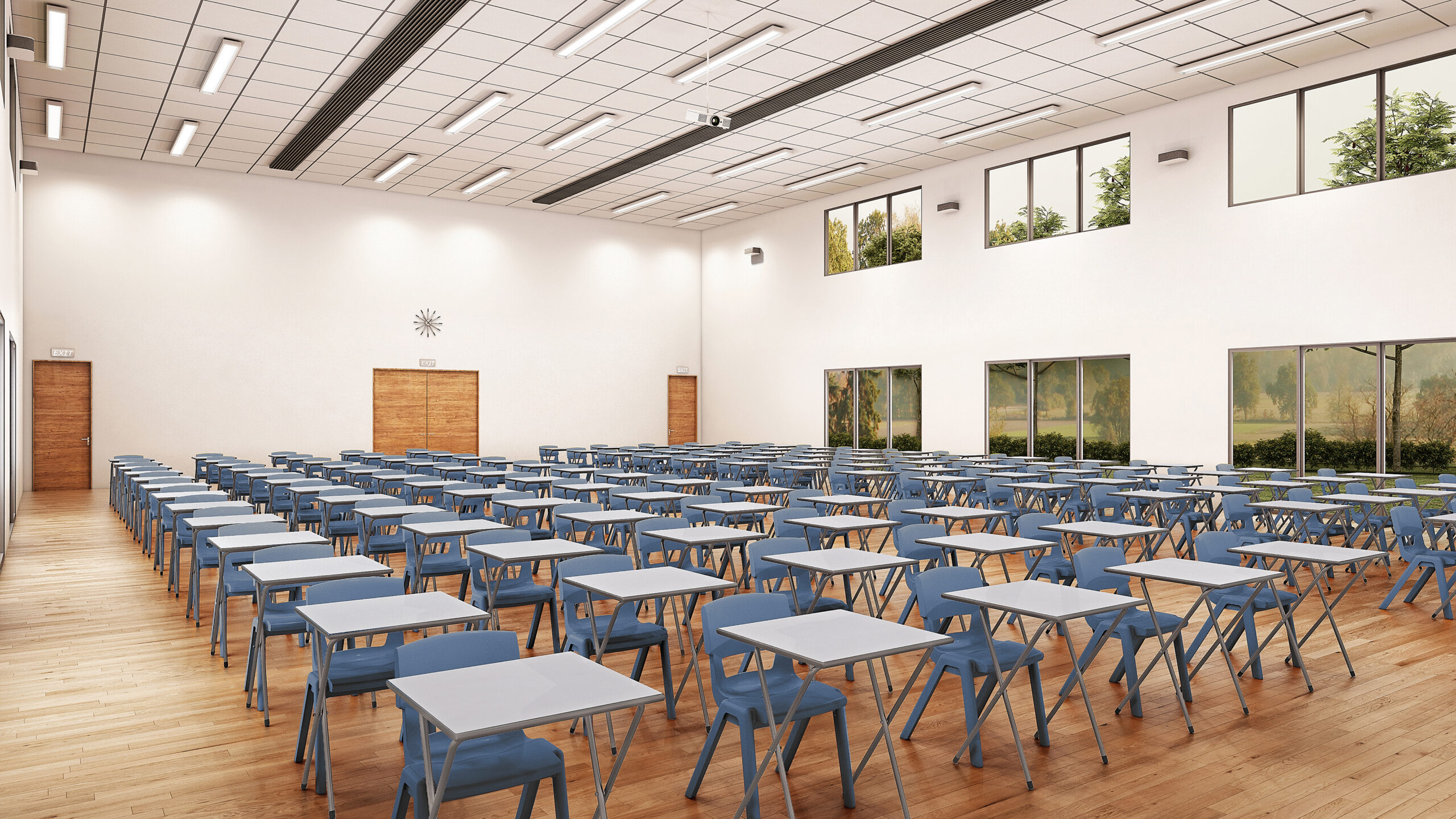
  • LUMBA™ Chair — ergonomic support with a linkable option for hall seating
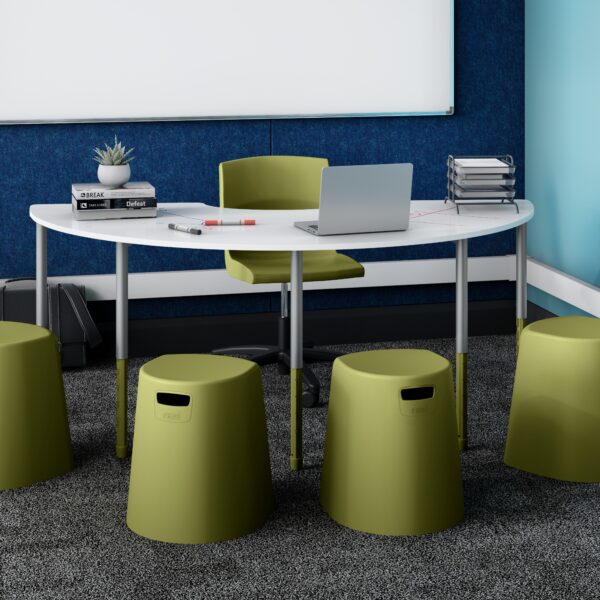
  • Postura® Stools — ideal for high tables, STEM tasks and quick movement between zones

Soft Furnishings

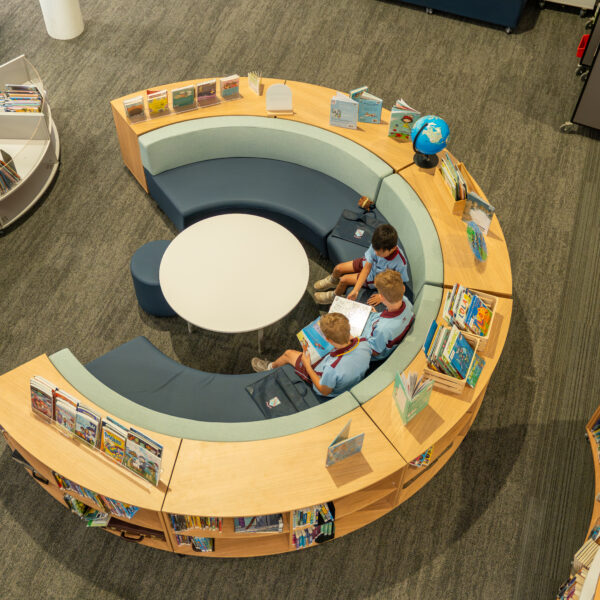
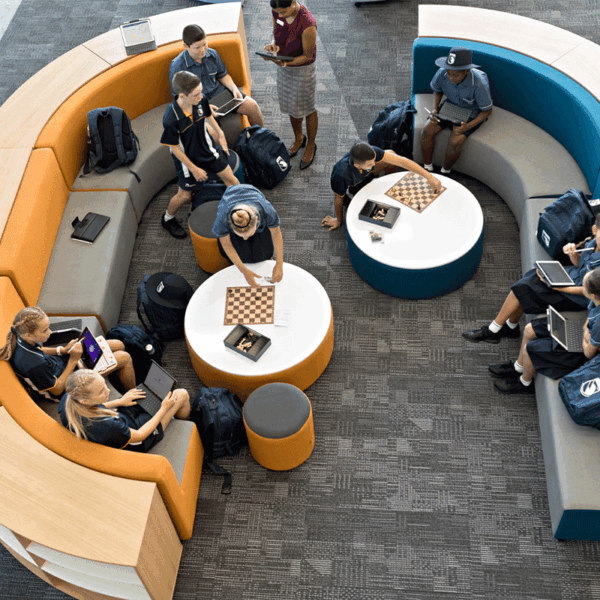
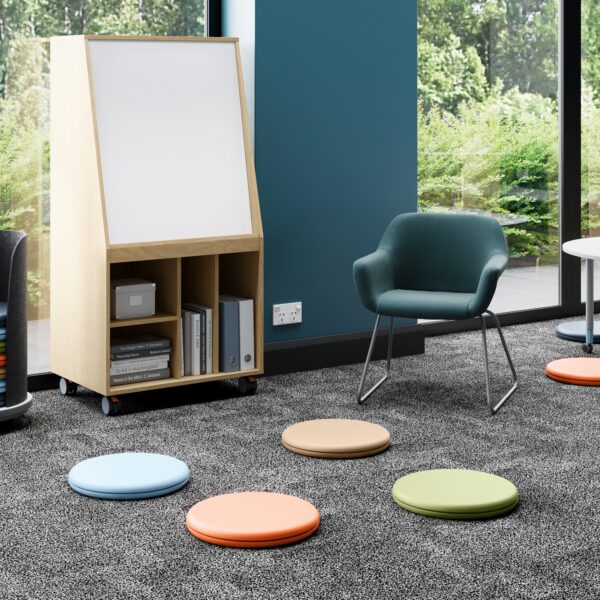
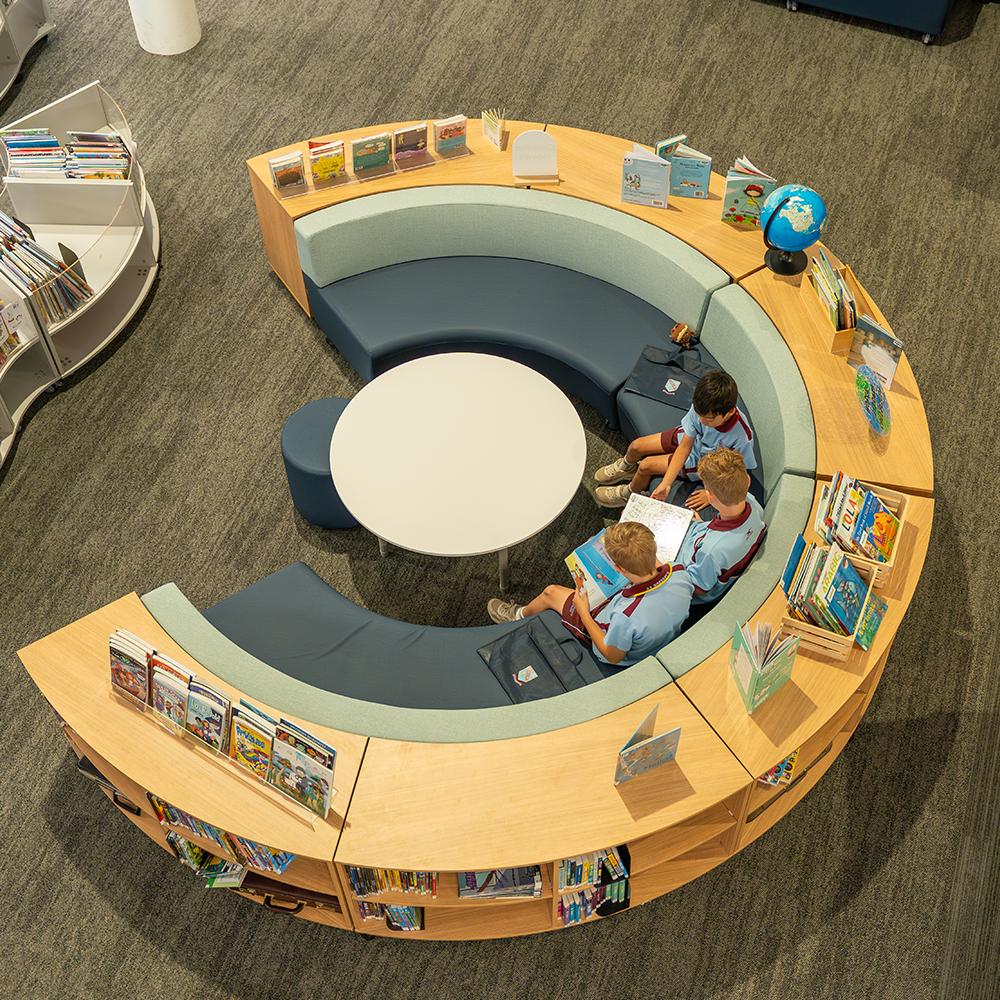
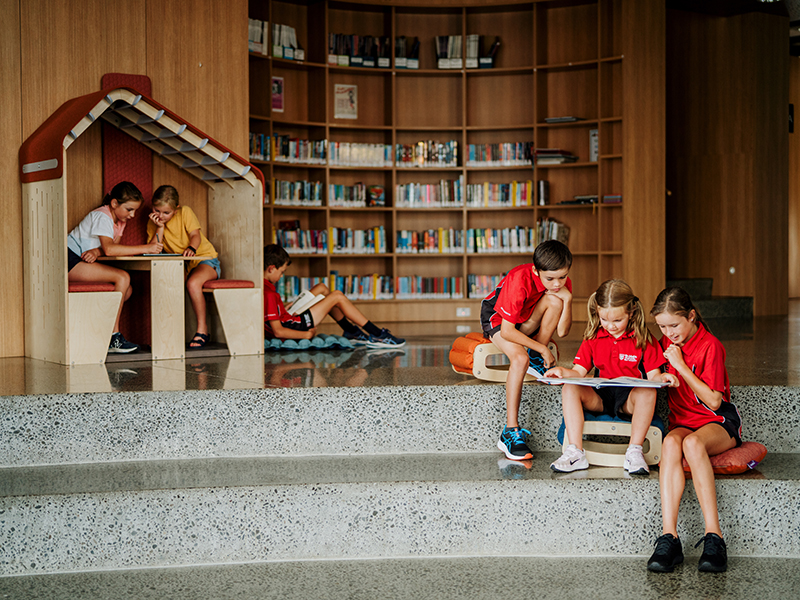
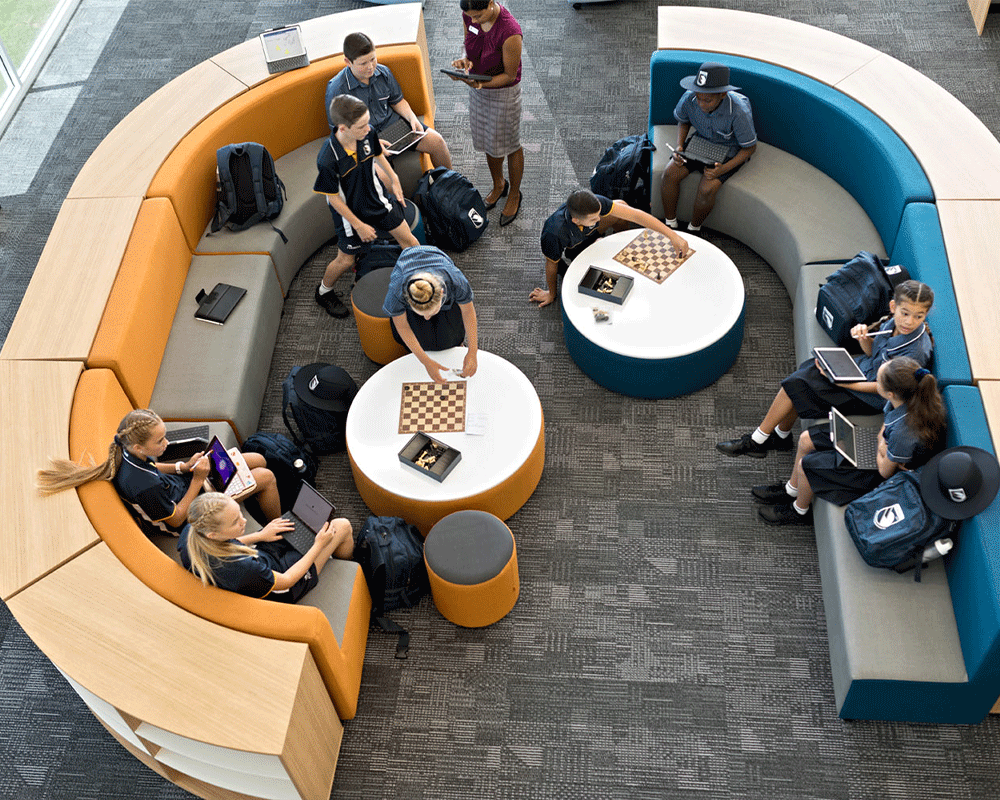
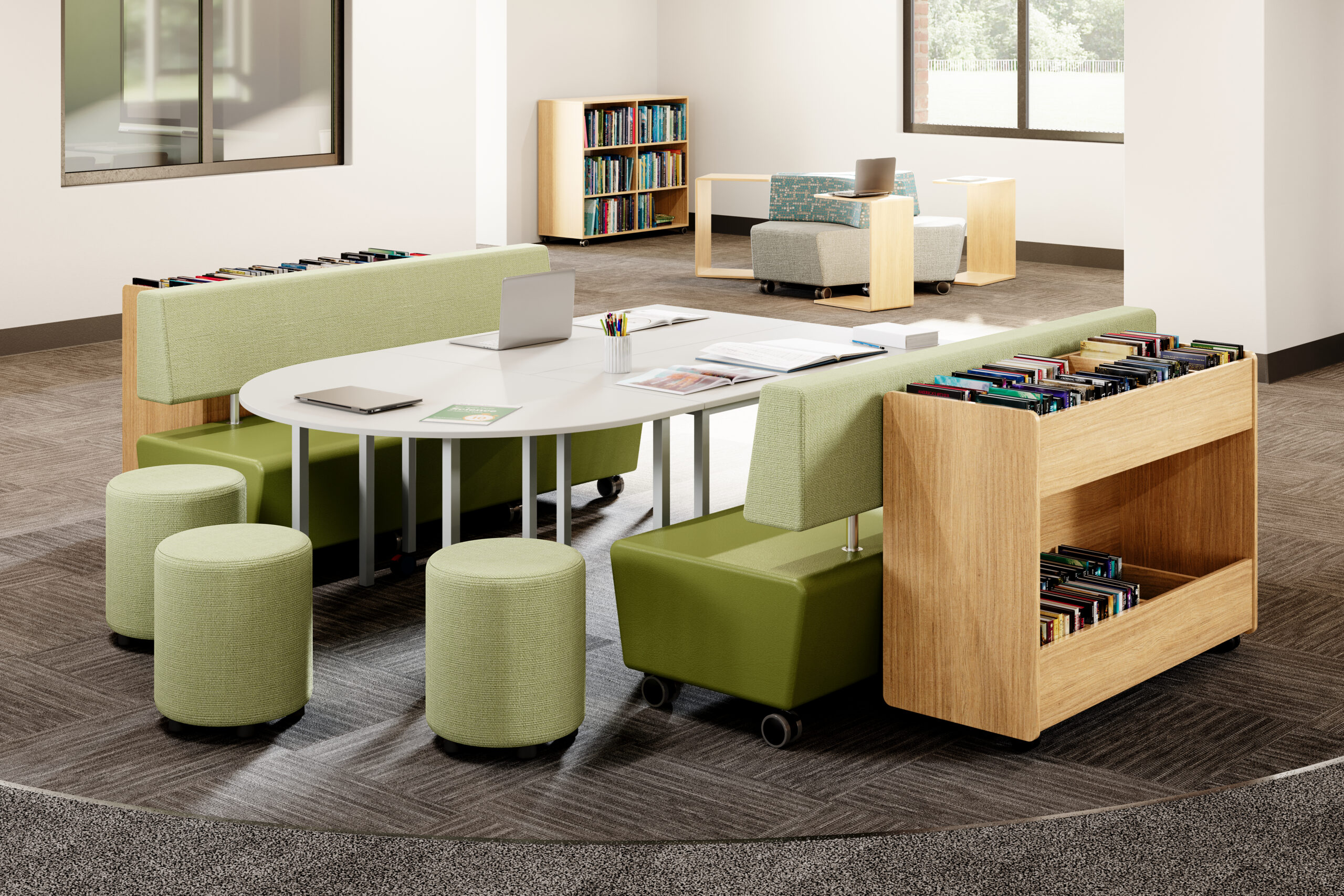
Not all collaboration is loud. Some of the best group learning happens in quieter corners where students can plan, discuss or read together. Soft furnishing options for breakout zones include:

  • Ottomans — suited to small group work and reading areas
  • Floor Seating — ideal for primary students and teacher-led group sessions
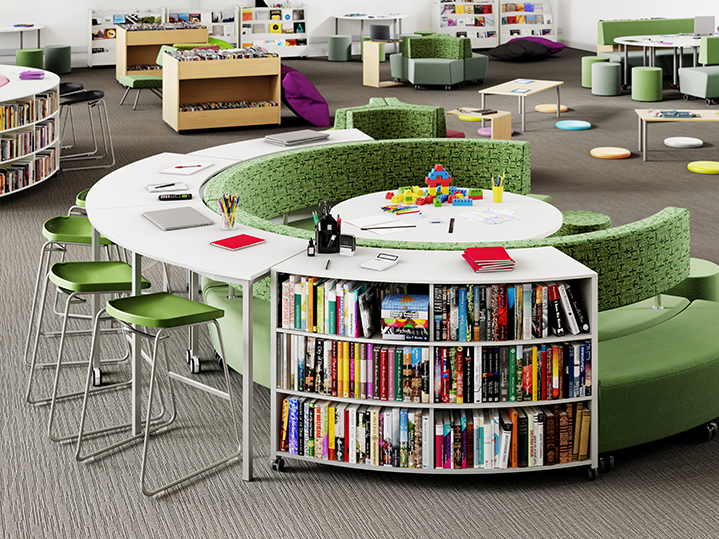
  • Modular Lounges — buildable configurations for project work and breakout spaces

Designing Collaborative Learning Spaces with Sebel