You are currently on the Australian website
Welcome to Sebel — If you are outside of Australia, we recommend changing your region below for the most suitable content.
or
Change region
-

Stadium & Venue Seating: A Complete Guide to Durable, High-Performance Seating

  • Educational
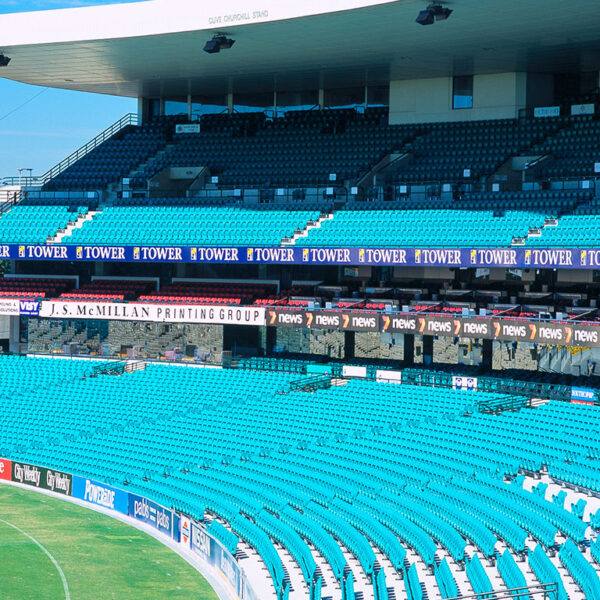
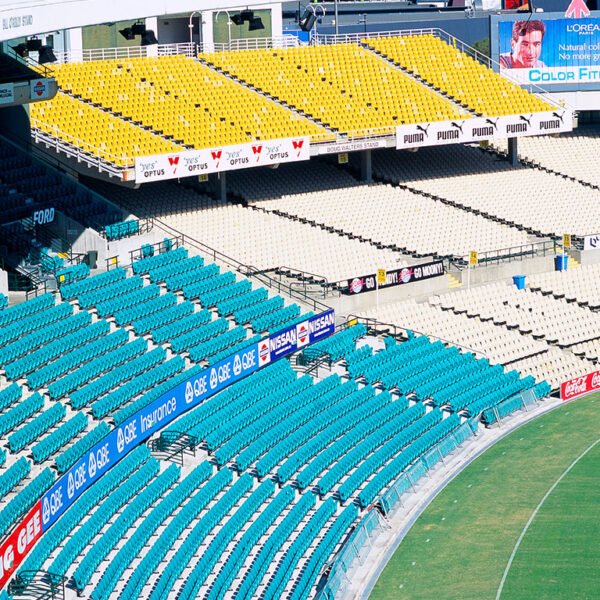
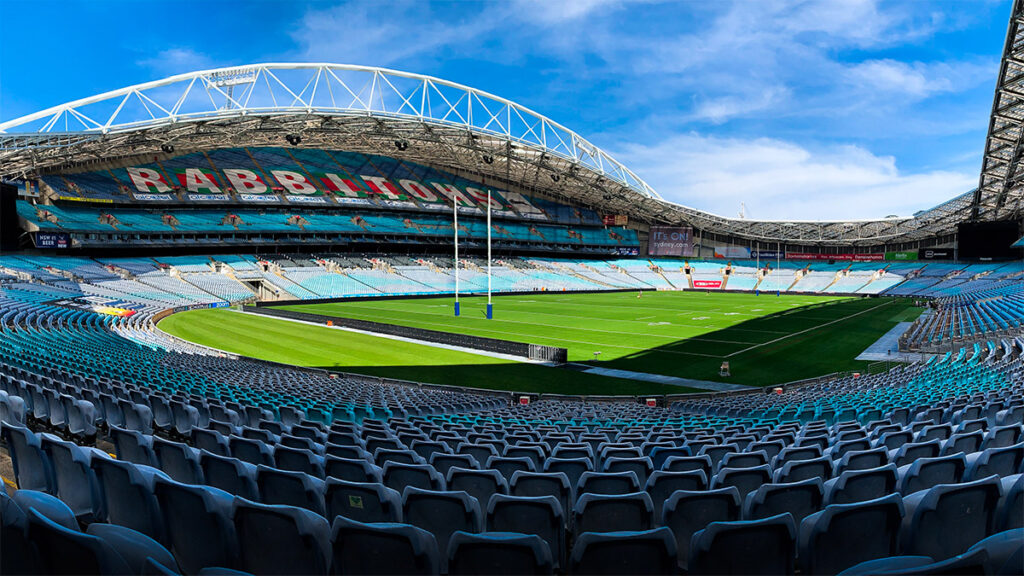
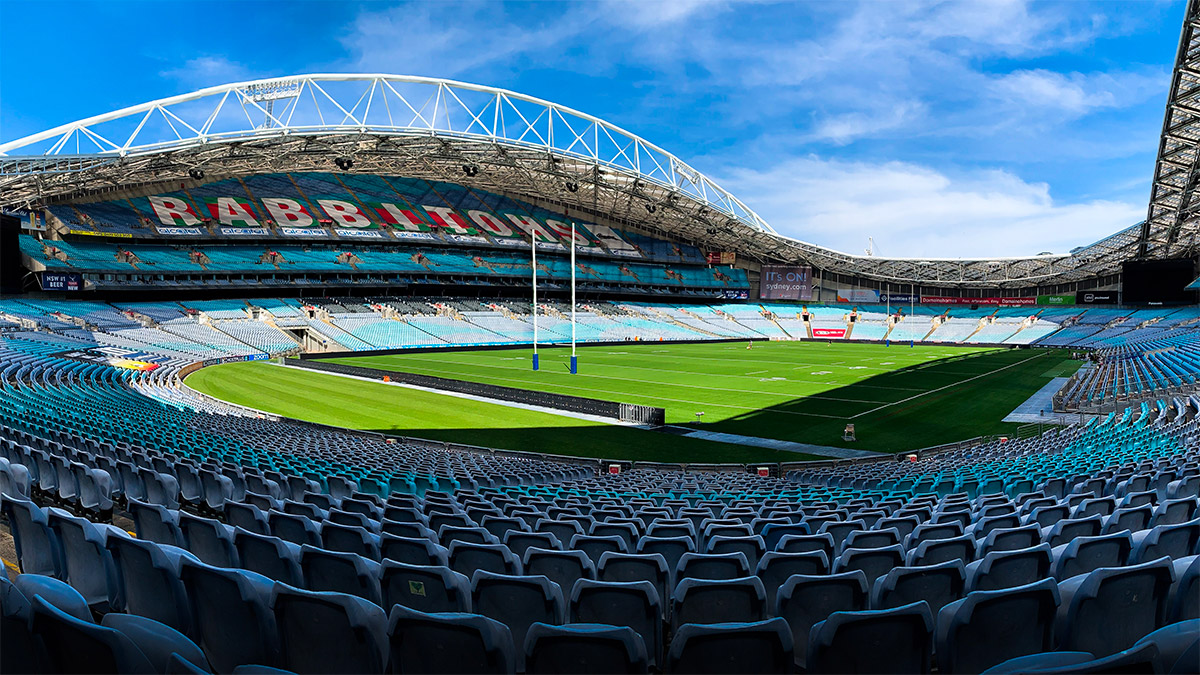
Accor Stadium Podium seating

Share this article

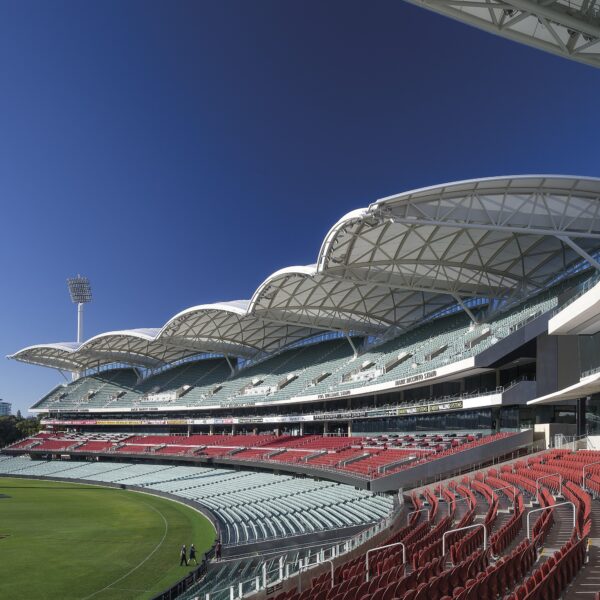
Stadium and venue seating plays a critical role in shaping the experience of any sports or entertainment space. From large-scale arenas to local grandstands, choosing the right stadium seating solution requires a balance of durability, comfort, safety, and long-term performance.

This guide explores how to choose the best stadium and venue seating, including materials, system types, and design considerations that ensure your investment delivers lasting value.
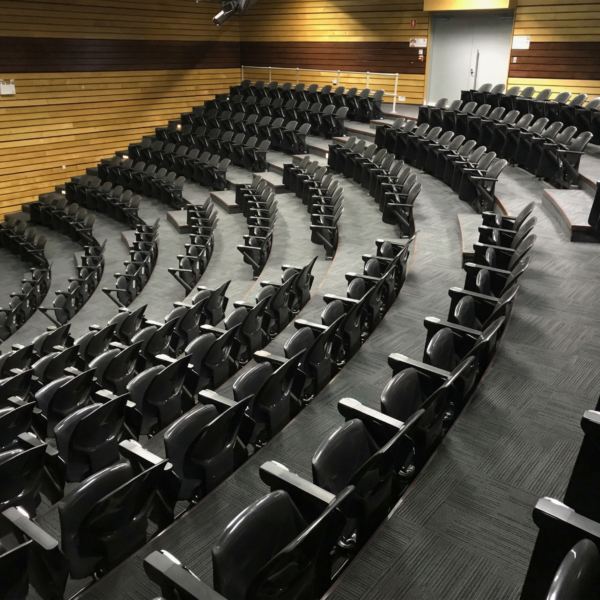
What Makes Seating “High-Performance” in Stadiums and Venues?

High performance seating is designed to perform consistently in high-traffic, high-demand environments, where thousands of spectators use the same infrastructure over time.

Key characteristics of high performance seating include:

  • Durable stadium seating design that withstands heavy use
  • UV-resistant materials for outdoor venue seating
  • Low maintenance requirements to reduce operational costs
  • Ergonomic comfort for extended sitting periods
  • Compliance with safety standards for public venues
  • Efficient layouts to support crowd flow and accessibility

Modern systems, such as those developed through decades of manufacturing expertise, incorporate features like:

  • UV-resistant polypropylene to prevent fading
  • Gravity tilt mechanisms to minimise maintenance
  • Non-destructive dismantling for reconfiguration and reuse

These elements ensure long-term performance, safety, and lifecycle efficiency across stadiums, auditoriums, and arena seating solutions.

What Materials Are Used for Stadium and Venue Seating?

The materials used in stadium and venue seating directly impact durability, maintenance, and user comfort, particularly in outdoor environments.

Common materials used in high-quality stadium seating:

UV-stabilised polypropylene

  • Ideal for outdoor venue seating
  • Resistant to sun exposure and weather conditions
  • Maintains colour and structural integrity over time

Steel and aluminium frameworks

  • Provide structural strength for grandstand seating systems
  • Corrosion-resistant coatings improve longevity
  • Essential for high-capacity installations

Composite materials

  • Combine flexibility and strength
  • Reduce cracking and long-term wear

High-quality seating solutions use premium UV-resistant polypropylene combined with reinforced structures, ensuring both comfort and long-term durability in demanding environments.

What Are the Different Types of Stadium Seating Systems?

Different venues require different arena seating solutions depending on capacity, flexibility, and intended use. The most common stadium seating systems include:

What Are the Best Seats for a Stadium?

The best seats for a stadium combine comfort, durability, and optimal viewing experience, ensuring spectators can enjoy events without compromise.

Key features of the best seats for a stadium:

  • Ergonomic support, including lumbar-friendly backrests
  • Durable materials that maintain shape over time
  • Waterfall seat edges for improved leg comfort
  • Stable mounting systems for safety and longevity

For example, premium seating designs incorporate:

  • Full wrap-around backs for better lumbar support
  • High-gloss finishes for easy cleaning
  • Design features that enhance comfort during long events

Ultimately, the best seats for a stadium are those that balance user comfort with long-term durability and low maintenance.

What Factors Should Be Considered When Designing Stadium Seating?

Designing effective stadium and venue seating requires careful planning to ensure both performance and user experience.

Key design considerations:

  • Capacity and layout efficiency
  • Sightlines and viewing angles
  • Crowd flow and accessibility
  • Environmental exposure (especially for outdoor venue seating)
  • Material durability and maintenance needs
  • Compliance with safety regulations
  • Flexibility for upgrades or reconfiguration

Modern seating systems also offer:

  • Branding and customisation options
  • Integrated features such as USB or power outlets
  • Accessibility-focused design solutions

These factors ensure seating meets the needs of both venue operators and spectators.

How Long Does Stadium Seating Typically Last?

High-quality durable stadium seating is designed to last 10-20+ years, depending on materials and environmental conditions.

Factors that influence lifespan:

  • Material quality (e.g. UV-stabilised plastics)
  • Exposure to weather (for outdoor venue seating)
  • Frequency of use
  • Maintenance practices

Features such as:

  • Easy-clean finishes
  • Replaceable components
  • Re-upholstery and upgrade options

help extend the lifespan of seating systems while maintaining performance over time.

Is Investing in Durable Seating Worth It Long Term?

Investing in durable stadium seating and high performance seating systems delivers clear long-term value for venues.

Benefits of investing in high-quality seating:

  • Lower maintenance costs over time
  • Reduced replacement frequency
  • Improved spectator experience
  • Greater operational efficiency
  • Higher return on investment

Additionally, features such as:

  • Modular designs
  • Replaceable seating components
  • Flexible mounting systems

allow venues to upgrade or adapt their arena seating solutions without significant cost.

Industry insights suggest that investing in high-quality seating can reduce lifecycle costs by up to 30–50%, making it a cost-effective long-term solution.

Bring it All Together

Choosing the right stadium and venue seating is about more than just capacity; it’s about delivering durability, performance, and long-term value.
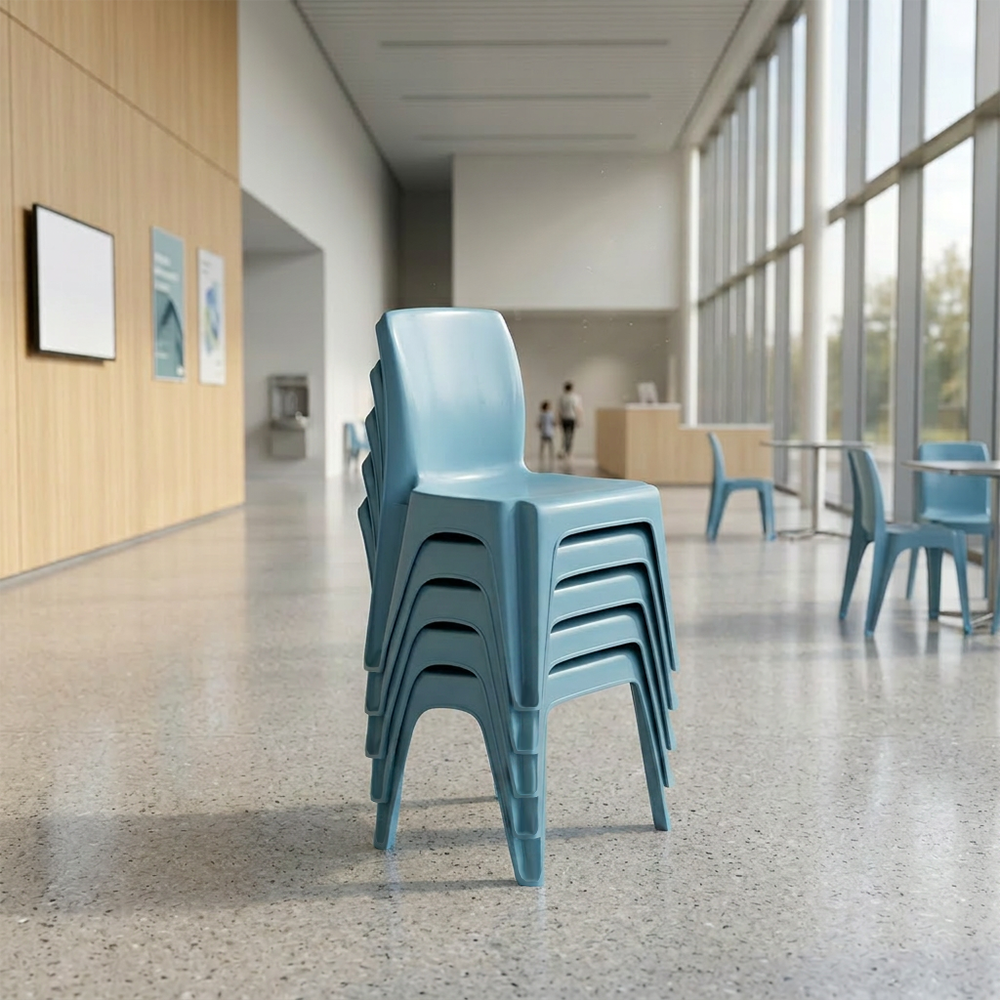
By investing in high performance seating, premium materials, and well-designed systems, venues can create seating environments that remain functional, comfortable, and cost-effective for decades.

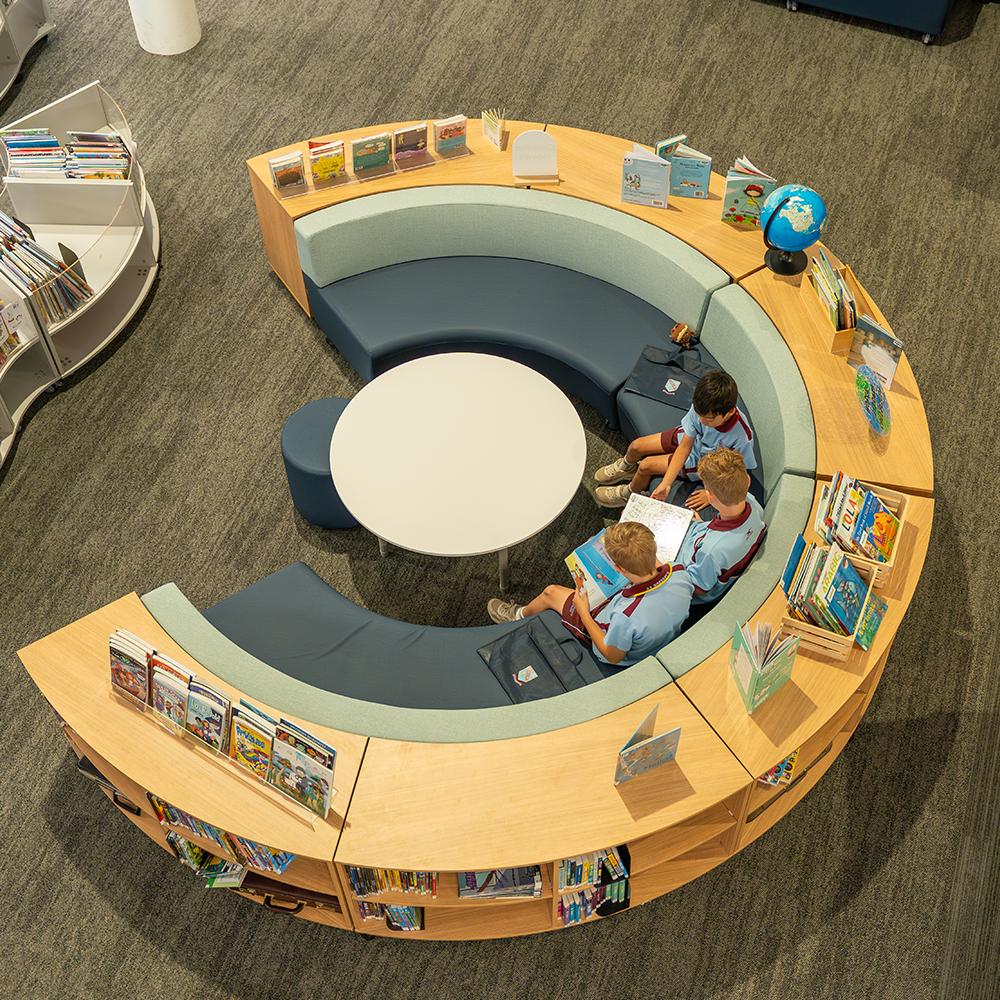
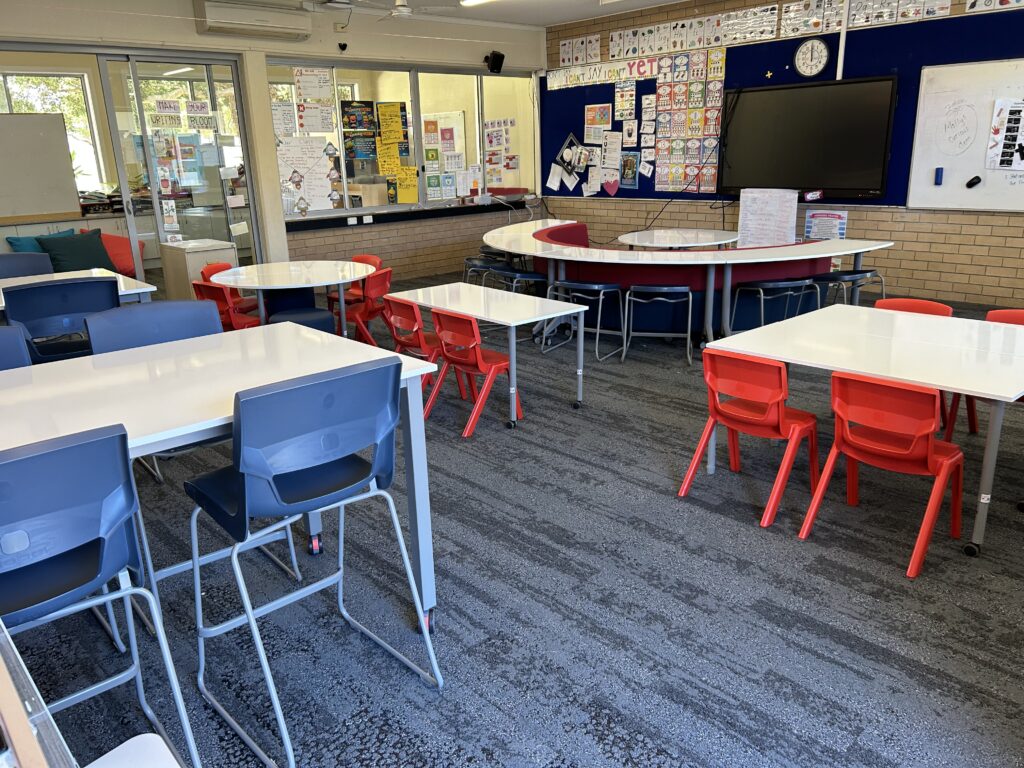
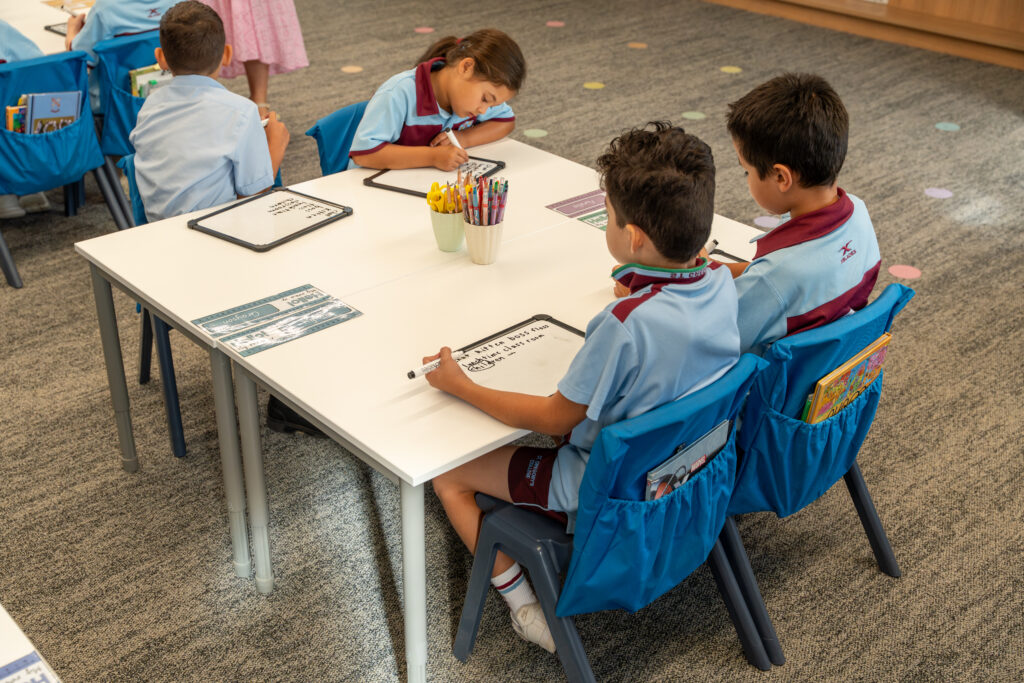
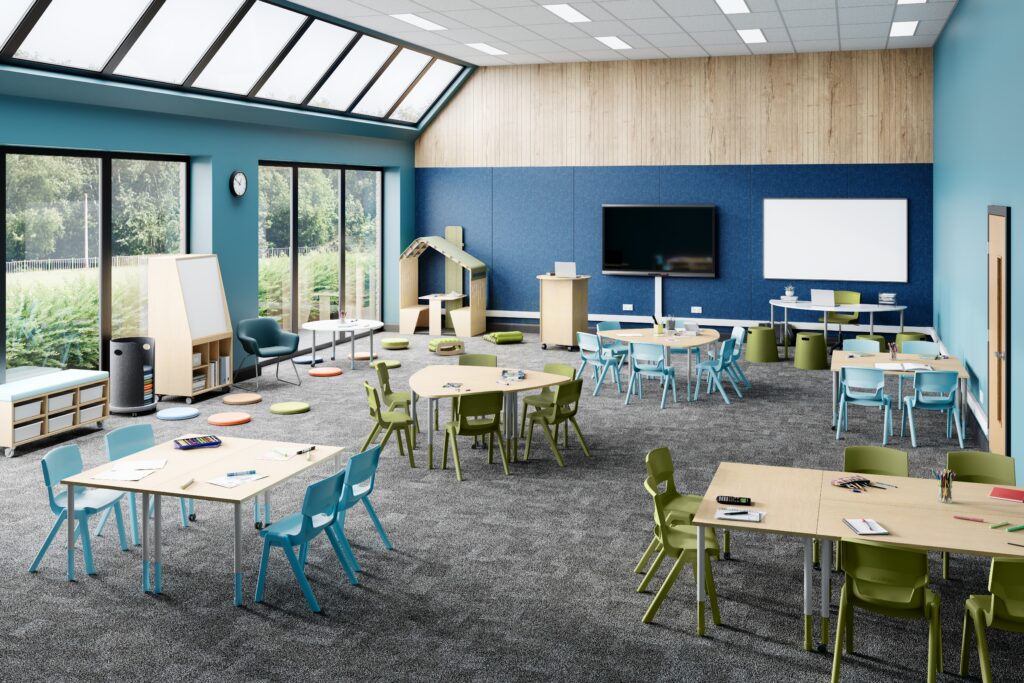
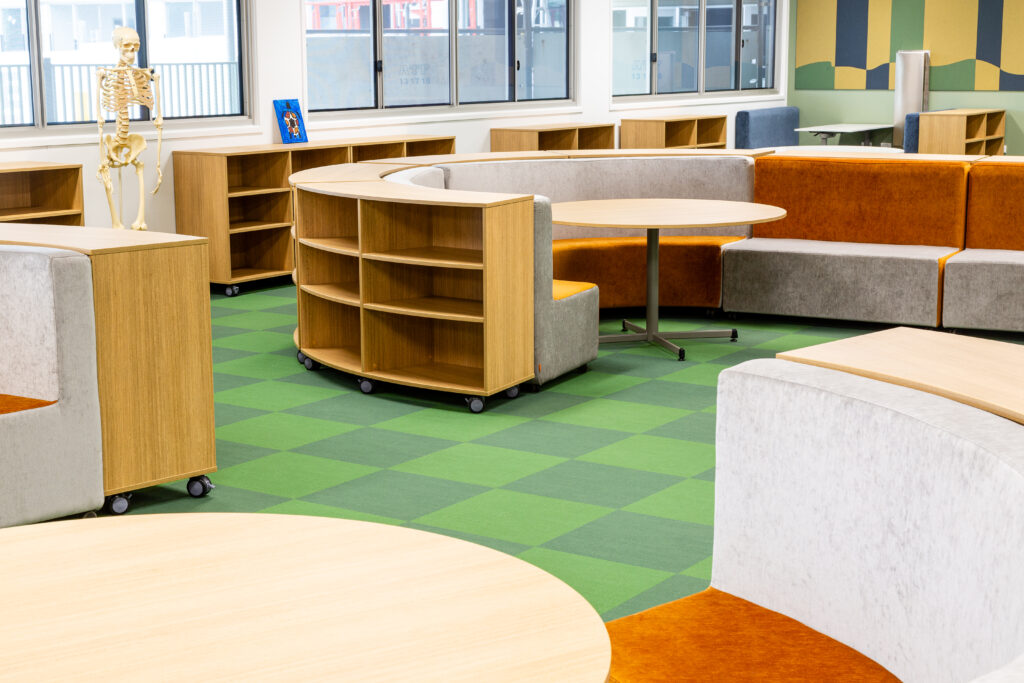
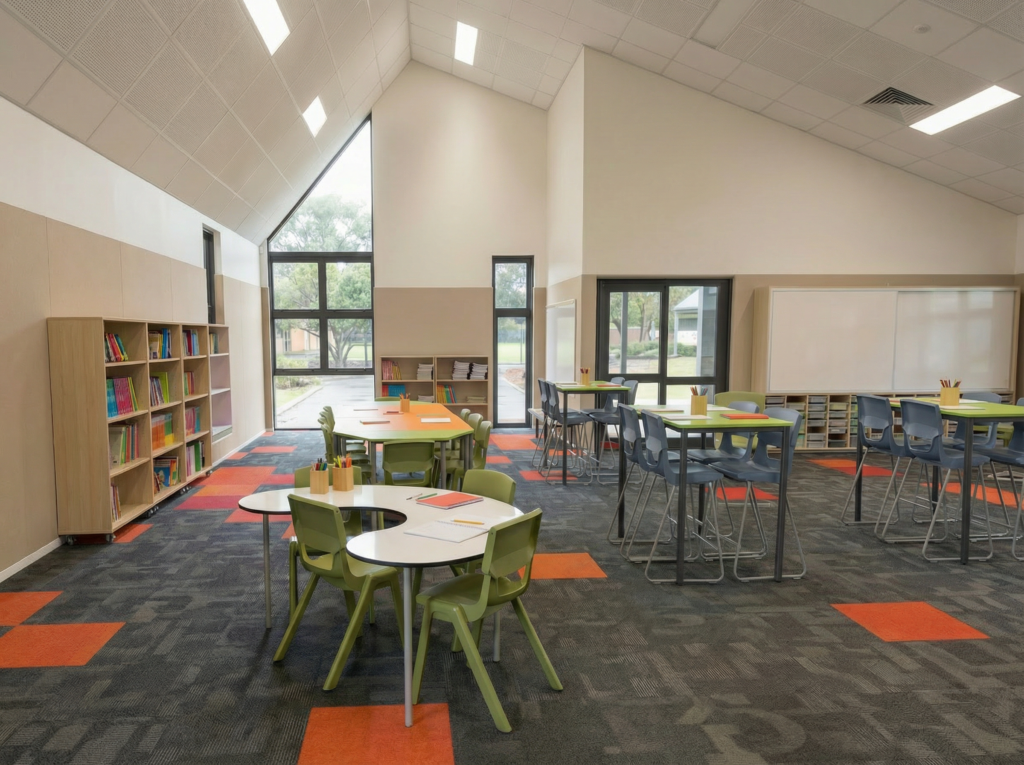
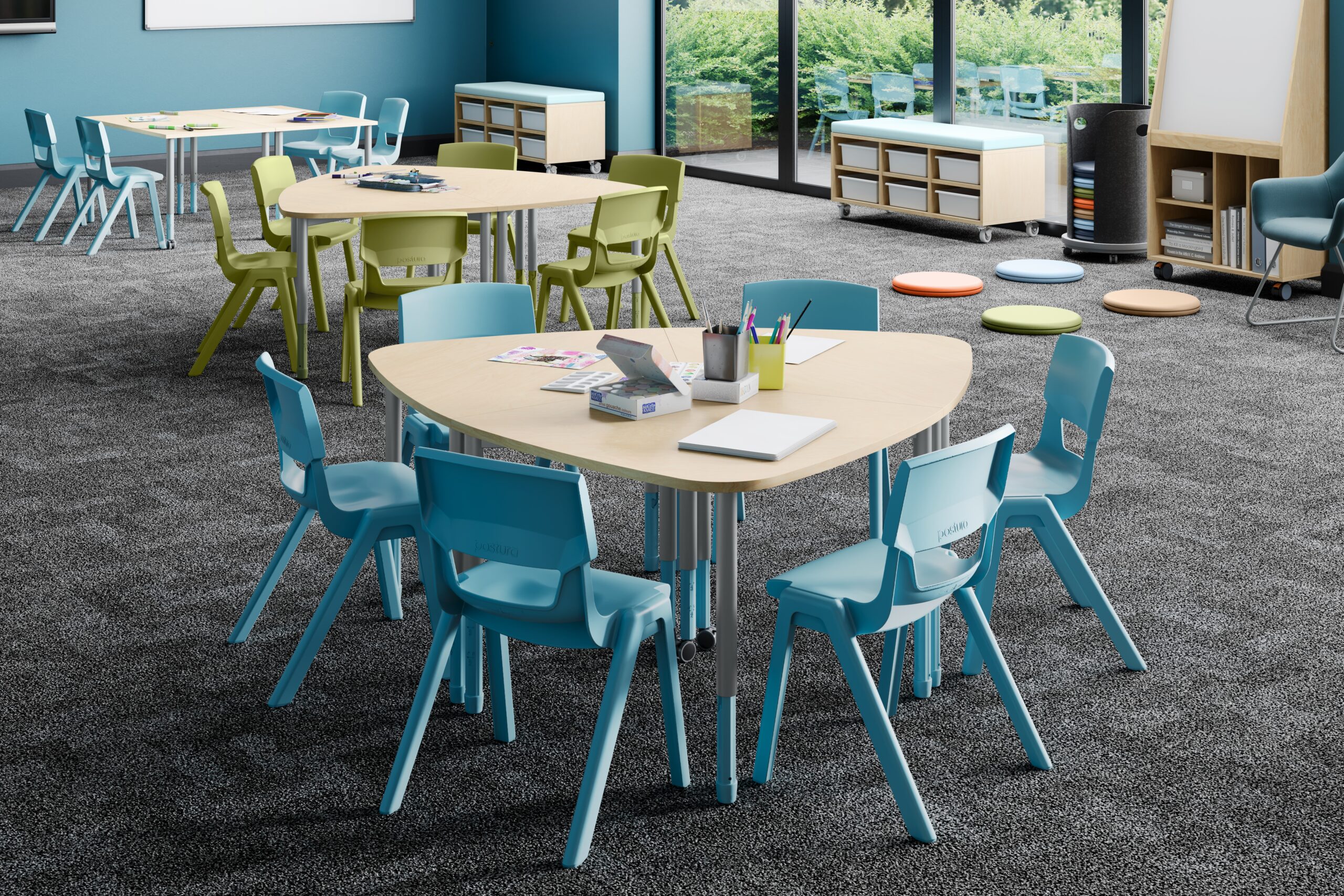
A C-shaped classroom setup designed for student comfort and enhanced learning.

Want to Learn More About Sebel’s Stadium and Venue Seating?

Frequently Asked Questions

Related articles

More on furniture built to last.